Travel Nanny Jobs: How to Become a Travel Nanny (Pay, Skills and Where to Find Work)

Short answer: to become a travel nanny you need solid professional childcare experience (usually several years), current paediatric CPR and first aid, a clean background check, a valid passport and flexibility to travel at short notice. Most work comes through specialist nanny agencies and personal recommendations. Pay is usually higher than local nanny work, and families cover your travel, accommodation and meals.
Travel nanny jobs sound like a dream: beach resorts, ski chalets, city breaks, all paid. The reality is a demanding childcare job in changing places, often with long days and little privacy. This guide explains what the job involves, who gets hired, how pay and perks work, where to find jobs and how to protect yourself.
What does a travel nanny do?
A travel nanny cares for a family's children during trips. Some jobs are a single holiday; others are with families who travel often, where the nanny joins them for much of the year. Common duties:
- Helping children through flights, transfers and jet lag.
- Keeping routines going: meals, naps, bedtime.
- Supervising at pools, beaches, ski schools and kids' clubs.
- Planning activities suited to the destination and the children's ages.
- Evening babysitting so parents can go out.
- Packing and organising the children's things.
Families expect a high level of judgement: handling a fever in a hotel at night, keeping toddlers safe near water, and managing children who are overtired and out of routine.
Types of travel nanny jobs

- One-off holiday nanny: a week or two with a family on a specific trip, often booked through an agency.
- Rotational or full-time travel nanny: with a family that travels often, sometimes on a rota with another nanny.
- Event nanny: looking after children at weddings and family celebrations abroad.
- Resort or hotel nanny: employed by a resort, cruise line or holiday company to care for guests' children.
- Seasonal chalet or villa nanny: working a ski or summer season for a holiday company.
Skills and qualifications families look for

- Professional childcare experience, ideally with the ages you'll care for. Many agencies ask for two years or more, with references.
- Paediatric CPR and first aid, kept current.
- A clean background check. Families and agencies will ask for one.
- A valid passport with plenty of validity, and no visa issues for common destinations.
- Childcare qualifications (such as early years or education diplomas). Not always required, but they help with higher-paying families.
- Water safety or lifeguard training, valued for beach and pool holidays.
- A driving licence, and comfort driving abroad if needed.
- Languages, useful with international families.
- Calm, flexibility and discretion. You'll see families in private moments, and many ask nannies to sign confidentiality agreements.
Travel nanny pay and perks
Pay varies widely by country, experience and the type of family. Travel work usually pays more than local nanny work because you are away from home and work longer days. Common structures:
- Day rate for an agreed number of hours, with overtime after that.
- Weekly rate for longer trips or rotational jobs.
- Annual salary for full-time travelling positions with a single family.
In addition, the family should cover:
- Flights and transfers.
- A private room and all meals.
- Travel insurance (or reimburse it).
- Travel days paid as working days.
- Days off and breaks, agreed in writing.
Perks are real (seeing places you might never afford, staying in good accommodation, sometimes a bonus at the end of a trip) but they are not a substitute for fair pay. Be wary of jobs that offer "free travel" in place of a proper wage.
Taxes and employment status
Depending on where you and the family live, you may be the family's employee, an agency's employee, or self-employed. In the US, families who hire a nanny directly are usually household employers; the IRS sets out the rules in Publication 926. Ask how you will be paid and who handles tax before you accept a job, and keep records of your income and travel days.
Where to find travel nanny jobs
- Specialist nanny agencies that handle travel and holiday placements. Many will only take nannies with strong references, so build those first.
- Your current or past families, and their friends. Most travel jobs still come by recommendation.
- Resorts, cruise lines and holiday companies that run children's programs.
- Reputable childcare job platforms, with extra caution (see below).
Tips for standing out: a clear CV listing ages cared for and travel experience, a short video introduction, up-to-date certificates, and references who can speak about your judgement under pressure.
Contracts: what to agree before you go
- Dates, destination and travel days.
- Daily hours, evening work and overtime pay.
- Days off, daily breaks and what happens if they can't be taken.
- Your own room. Sharing a room with the children every night should be by agreement only and reflected in pay.
- Duties: childcare only, or extras such as cooking or laundry.
- Expenses: how they are paid or reimbursed.
- Cancellation terms and who pays your way home if the job ends early.
- Emergency arrangements: a signed medical consent for the children, the family's insurance details, and a contact.
Bringing your own child
Some travel nannies are parents and look for jobs where their child can come. It is possible, but it narrows the jobs available and must be agreed upfront: who pays the child's travel and accommodation, how your attention is shared, and who looks after your child when you are working. Families looking for a playmate for an only child are often the best match.
Staying safe as a travel nanny
- Meet or video-call the family before you accept, and check reviews or references for the agency or the family.
- Keep your own passport. No employer should hold it.
- Carry a return ticket or the means to buy one, and some emergency money.
- Share your itinerary with someone at home and check in regularly.
- Have your own travel insurance if the family's doesn't clearly cover you.
- Be very cautious of job offers that ask you to pay fees, travel on a tourist visa to work, or move to a third country first. These are common signs of scams and, in the worst cases, trafficking.
Our solo female travel safety tips and emergency travel safety steps are worth reading before your first job abroad.
Is being a travel nanny right for you?
It suits you if you love children, adapt fast, sleep anywhere, stay calm when plans fall apart and don't mind being "on" for long stretches. It may not if you need a fixed routine, regular evenings off or a life rooted in one place.
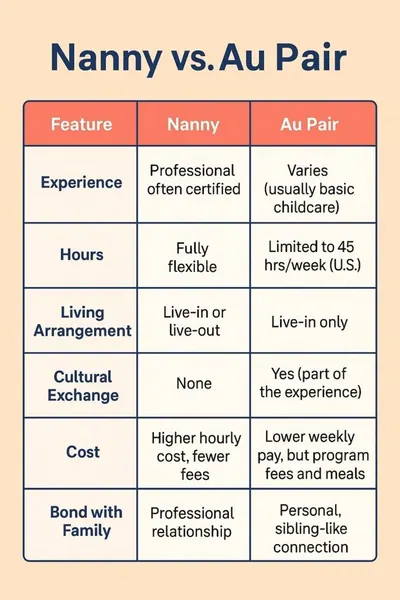
Many travel nannies start with a single holiday job for a family they already work for, then build from there. If you are younger and want a year abroad rather than a career, an au pair program may suit you better: see travel nanny vs au pair. And if you are a parent reading this to understand the role, our guide to hiring a travel nanny is written for you.
Frequently asked questions
How do I become a travel nanny?
Build professional childcare experience with strong references, keep paediatric CPR and first aid current, get a background check and a valid passport, then register with nanny agencies that handle travel placements and let families you work for know you are available to travel.
Do travel nannies get paid more?
Usually yes. Travel work typically pays more than local nanny work because of longer days and time away from home, and the family covers flights, accommodation and meals.
Do travel nannies get days off?
They should. Days off, daily breaks and overtime pay should be agreed in writing before the trip.
Can I be a travel nanny without experience?
It is difficult. Families trust travel nannies with their children in unfamiliar places, so agencies usually ask for several years of professional childcare experience. Younger people without experience may find an au pair program a better start.