Solo Female Travel Safety Tips: A Practical Checklist
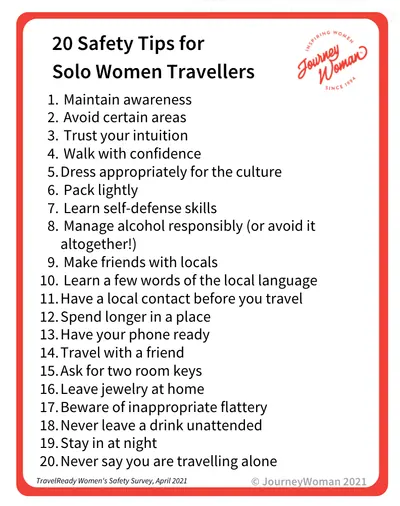
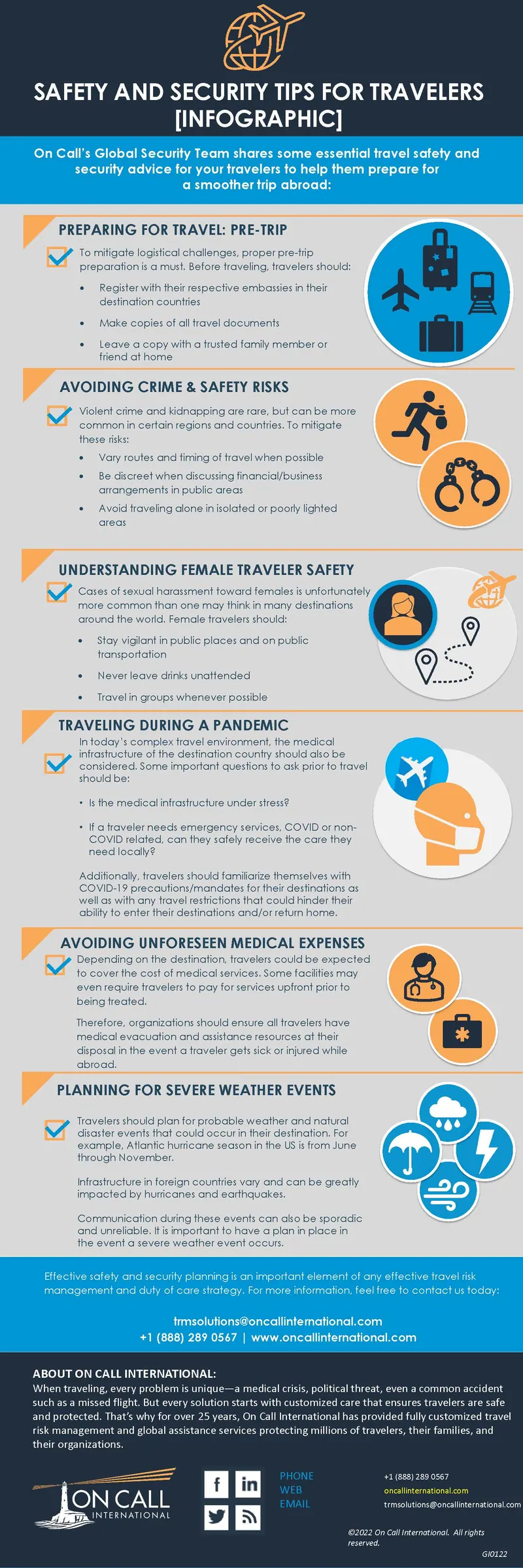
Short answer: the most useful solo female travel safety habits are simple: research your destination's specific risks, share your itinerary and check in with someone at home, arrive in daylight with your first night booked, choose well-reviewed accommodation, keep a backup card and copies of your documents, watch your drink, trust your instincts, and know how to get help locally. The details below cover each stage of a trip.
Women travel alone in huge numbers, and most trips go smoothly. Solo travel does bring a few specific risks, though: harassment, drink spiking, scams aimed at people on their own, and having nobody to watch your back when something goes wrong. This guide is a practical checklist for before you go, arriving, getting around, where you stay, nights out, and what to do if something happens.
Before you go

Research the destination, not just the sights
- Read official travel advice. The US State Department's advice for women travellers and its country pages, or your own government's equivalent, list local laws, scams, areas to avoid and the emergency number.
- Learn the local norms on dress and behaviour. Dressing like local women in conservative areas reduces unwanted attention and shows respect, especially at religious sites.
- Read recent reviews by other solo women of neighbourhoods, hostels and tours. Forums and women-only travel groups are good sources.
- Check which apps work locally: ride-hailing, maps, messaging and translation.
Paperwork and money
- Save scans of your passport, visa, insurance and bookings in a secure cloud folder, and carry a paper copy separately from the originals.
- Carry two bank cards from different accounts and keep them in different places, with a little cash in local currency.
- Buy travel insurance that includes medical care and evacuation. If you are on Medicare, read whether Medicare covers you abroad first.
- US citizens can enrol their trip in STEP to get safety alerts and be contactable by the embassy.
Tell someone your plans
Share your itinerary, accommodation addresses and flight numbers with a trusted person at home. Agree on a regular check-in, such as a message every evening, and what they should do if you miss one. Live location sharing on your phone with one or two trusted contacts is easy to set up and easy to turn off.
Arriving somewhere new
- Arrive in daylight when you can, especially in a new country.
- Book the first night and know exactly how you'll get there. Arrange an airport pickup through your accommodation, or use official taxi ranks or a reputable ride-hailing app.
- Avoid touts offering taxis or hotels in arrival halls.
- Get connected quickly with a local SIM or eSIM, so you have maps and messaging from the start.
- Don't look lost. Check your route before you leave the terminal, and step into a café or shop if you need to look at your phone.
Choosing safe accommodation

- Choose places with many recent reviews that mention solo women travellers.
- Look for a 24-hour reception or secure entry, and avoid ground-floor rooms with easy window access where you can.
- In hostels, a female-only dorm and a locker for valuables are worth the small extra cost.
- In rentals, check the locks when you arrive, and don't share your room number loudly at reception.
- A portable door stop or door lock is a cheap extra layer for hotel rooms.
- Note the fire exits and the address in the local language.
Getting around safely
- Ride-hailing: check the licence plate, car and driver name before getting in, sit in the back and share your trip with a contact.
- Taxis: use official ranks or ones your accommodation calls. Agree the fare or check the meter is on.
- Public transport: sit near the driver or in busy carriages at night. Some cities have women-only carriages, which can be useful at rush hour.
- Walking: stay on busy, well-lit streets after dark. Keep your phone away when you aren't using it, and wear a cross-body bag on the side away from the road.
- Driving: keep doors locked in traffic and valuables out of sight, and plan fuel stops in daylight.
Nights out and alcohol
- Watch your drink being made and never leave it unattended. If it tastes odd, leave it.
- Know your limits and those of local drinks, which can be much stronger than at home.
- Plan how you'll get home before you go out.
- Join group activities such as walking tours, cooking classes or hostel events to meet people in a safe setting.
- If you feel suddenly unwell, drowsy or confused, tell staff and a friend and get help immediately; drink spiking happens everywhere.
Dealing with unwanted attention
- A firm "no", without a smile or an explanation, is enough. You don't owe anyone politeness at the cost of your safety.
- Walk into a shop, hotel lobby or café if someone follows you, and ask staff for help.
- Some women wear a plain ring or mention a partner who is "meeting them later". Use it if it helps.
- Don't share your accommodation, plans or that you're travelling alone with strangers.
- If you are harassed or assaulted, you can report it to the local police and contact your embassy, which can help you find English-speaking medical and legal support.
Common scams to know
- "That attraction is closed today", followed by an offer to take you somewhere else (usually a shop).
- Friendship or gem scams: a friendly stranger leads you to a shop, bar or "investment".
- Fake police asking to check your wallet or passport. Ask to go to the police station instead.
- Distraction thefts: a spill on your clothes, a petition or a dropped item while someone else takes your bag.
- Romance scams on dating apps, ending in requests for money.
Digital safety
- Post photos after you've left a place, not in real time.
- Use a VPN on public Wi-Fi and avoid banking on shared computers.
- Turn on find-my-phone and remote wipe, and keep a note of how to block your cards.
- Be thoughtful about what you share on dating apps while travelling. Meet in public places and tell a friend where you'll be.
What to pack for safety
- A small cross-body bag with a zip, and a money belt or hidden pocket for backups.
- A power bank, so your phone never dies when you need it.
- A doorstop or portable lock.
- A whistle or personal alarm (check what's legal locally; pepper spray is illegal in many countries).
- A scarf: useful for temples, cold buses and sun.
- A basic first aid kit and any prescription medicines in their original packaging.
If something goes wrong
Save the local emergency number, your embassy's details and your insurer's 24-hour helpline in your phone before you need them. Our emergency travel safety steps walk through what to do in the first hours after a theft, an accident, an illness or a lost passport.
Choosing your first solo trip
If you're new to solo travel, start somewhere with good public transport, lots of other travellers and a language you can manage. City breaks are a good start. A Christmas market trip in Central Europe is busy, well-lit and easy to navigate. For a longer adventure, our guide to working and travelling in Thailand covers one of the most popular destinations for first-time solo travellers. You'll find more ideas in Solo Travel.
The aim of all this isn't to make travel feel dangerous. A few habits, set up before you go, let you relax and enjoy the freedom of travelling on your own terms.
Frequently asked questions
Is it safe for women to travel alone?
For most destinations, yes. Millions of women travel solo every year. Researching local risks, sharing your plans, arriving in daylight, choosing well-reviewed accommodation and watching your drink remove most of the common risks.
What should a woman travelling alone pack for safety?
A zipped cross-body bag, a hidden backup card and copies of documents, a power bank, a door stop or portable lock, a personal alarm where legal, a scarf, and a basic first aid kit.
How do I stay safe in taxis abroad?
Use official taxi ranks, taxis called by your accommodation or a reputable ride-hailing app. Check the plate and driver before you get in, sit in the back and share your trip with someone.
What should I do if I am harassed while travelling?
Say no firmly, move to a busy place such as a shop or hotel lobby and ask staff for help. You can report it to the local police and contact your embassy for support.