Hiking Trips in December: Where to Go in the US
Short answer: For hiking trips in December, look to lower-elevation desert and subtropical parks such as Death Valley, Saguaro, Big Bend, and the Everglades for generally milder hiking conditions. Bryce Canyon and Yosemite can also be winter destinations, but snow, ice, road access, and cold temperatures shape what is practical.
December is not one kind of hiking month across the United States. A sunny desert trail can still have a cold start or a chilly evening, while a higher-elevation route may be snow-covered or inaccessible. Choose a destination for its seasonal conditions, then check the specific trail, road, and weather information close to your travel date.
Where are the best places for hiking trips in December?
For milder winter hiking, consider Death Valley, Saguaro, Big Bend, and the Everglades; for snow-season scenery, consider Bryce Canyon or Yosemite if you are equipped for winter conditions. These parks offer different terrain, so the best fit depends on whether you want dry desert paths, subtropical trails, or a cold-weather hike among snowy landscapes.
Death Valley National Park identifies November through March as its best hiking season, and lower-elevation hikes are especially suitable for cooler winter days. Saguaro National Park has average Tucson-area winter days around 65°F, while the Everglades’ dry season typically begins in December. Big Bend is usually mild and sunny in winter, but its temperatures shift noticeably between the river, desert, and Chisos Mountains.
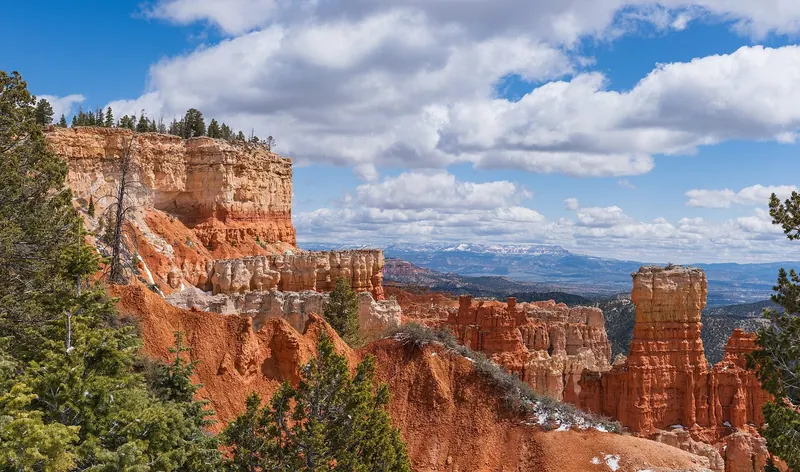
For a snowier trip, Bryce Canyon averages a December high of 36°F and low of 15°F, with 14 inches of normal snowfall. Yosemite advises visitors to prepare for snow throughout the park by November or December. Check conditions on the dates and trails you plan to hike.
What are the warmest places to hike in December?
The Everglades, lower-elevation Big Bend routes, and lower desert trails in Death Valley and the Tucson area are options for comparatively mild December hiking. Cold fronts can make even a warm-weather destination chilly.
At the Everglades’ Royal Palm area, the December average high is 79°F and the average low is 57°F. The park’s dry season typically runs from December through April, which is also its busy season. Cold fronts can occasionally bring near-freezing conditions, and mosquitoes or biting flies may still be present, especially around dawn and dusk.
Big Bend’s December averages show why elevation matters: Rio Grande Village averages a 74°F high and 29°F low, Panther Junction averages 65°F and 37°F, and Chisos Basin averages 61°F and 41°F. The park describes winter as usually mild and sunny, while noting that cloudy and freezing conditions can occur. Snow is rare and generally light.
In the Tucson area, Saguaro National Park reports winter days averaging about 65°F and nights about 40°F. Joshua Tree’s winter days are typically around 60°F, but nights can reach freezing and higher elevations occasionally receive snow. Pack for morning and evening temperatures, not only the midday high.
Is Death Valley good for hiking in December?
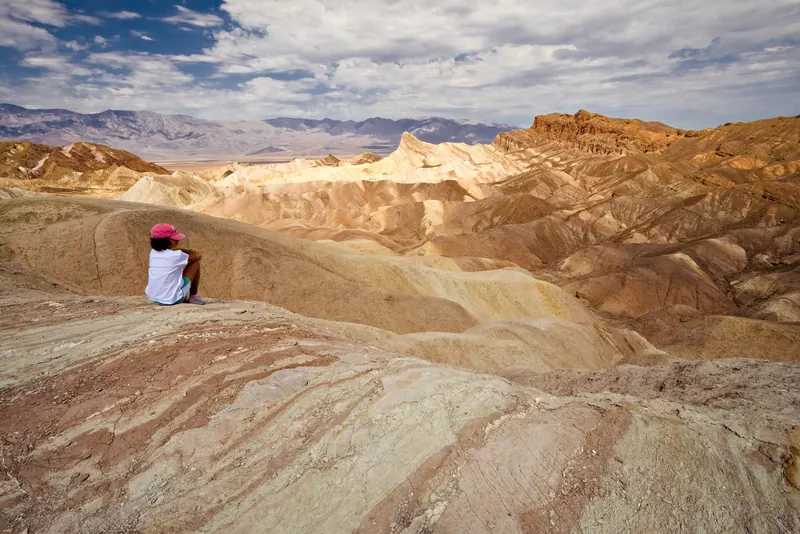
Yes, December is within Death Valley National Park’s stated best hiking season, and cooler weather makes lower-elevation hikes a practical choice. Carry at least 2 liters of water for a short winter day hike, as the park says springs are rare and should not be relied on.
Listed day hikes include Badwater Salt Flat at 1 mile, Mesquite Flat Sand Dunes at 2 miles, Golden Canyon at 3 miles, and Badlands Loop at 2.7 miles. Check the park’s current information before setting out, and bring water and navigation even for a short route.
Review the park’s Death Valley hiking guidance when selecting a route. For winter driving and vehicle preparation on the way to a park, see Travelinium’s winter road trip checklist.
Can you hike in Saguaro National Park in December?
Yes, Saguaro has winter hiking opportunities, including lower-elevation desert routes, but check higher-elevation conditions before choosing a mountain trail. Snowdrifts can make trails at higher elevations impassable.
The Loma Verde Loop is 3.8 miles long with 60 feet of elevation gain. Winter averages for the Tucson area are about 65°F during the day and 40°F at night, but conditions vary by year and elevation. Bring layers for a cool start, and check the park’s Saguaro winter weather information before heading uphill.
Desert hiking calls for careful preparation. Bring water for your route and carry navigation that does not rely on cell service. If you are comparing regional park conditions, our guide to Utah national park conditions in November can help with broader seasonal planning nearby.

What is Big Bend like for hiking in December?
Big Bend is usually mild and sunny in winter, but temperatures vary by elevation and freezing conditions can occur. Plan layers for the coldest part of your outing, particularly if your route climbs into the Chisos Mountains or starts before the day warms up.
The Lost Mine Trail is 4.8 miles round trip, gains about 1,100 feet, and takes about three hours on average. Parking is limited, so account for that when planning your start. Bring water, food, and layers for the hike.
Check the park’s Big Bend weather information for its elevation-specific averages and seasonal notes. Keep your plan flexible if changing weather affects conditions.
Is December a good time to hike in the Everglades?
December can be a good time to hike in the Everglades because it is typically the start of the park’s dry season, but it is also a busy season. Expect warm daytime conditions on average, while remaining prepared for occasional cold fronts and seasonal insects.
The Royal Palm area averages a December high of 79°F, a low of 57°F, and 1.37 inches of precipitation. Check the park’s Everglades dry-season guidance and current conditions before settling on a route or schedule.
Carry water and insect protection suitable for the conditions. Dawn and dusk can bring mosquitoes or biting flies, so consider that when choosing your start time. Give wildlife space, stay on designated routes, and pack out everything you bring in.
Can you hike Bryce Canyon or Yosemite in December?
Yes, hiking is possible in both parks in December, but snow and ice can change trail access and the gear you need. Bryce Canyon is especially cold and snowy, while Yosemite’s conditions and road access differ across the park.
Bryce Canyon sits at elevations from 8,000 to more than 9,000 feet, and the park strongly recommends traction devices in winter. On the 1.3-mile Navajo Loop, the Two Bridges side is open year-round, while the Wall Street side closes during winter months. Confirm current trail information before going.
Yosemite Valley and Wawona remain accessible by car year-round, while Tioga Road and Glacier Point Road typically close for snow in November. Chains may be required on park roads. Yosemite Valley and Wawona have winter average temperatures of 53°F high and 28°F low, and snow can obscure trails. Review Yosemite’s winter access and road guidance before traveling.
For any winter route, check the forecast on the day of the hike as well as the park’s current trail and road conditions. The National Park Service recommends layers, food, water, dependable navigation, and traction for snow or ice; its winter hiking tips cover preparation and safety. If plans change because of weather or access, use our travel emergency safety steps to help organize next actions.

What conditions should you check before a December hike?
Check the day-of forecast, trail status, road access, and recent weather before choosing your route. Winter conditions can change quickly, and snow, ice, wind, precipitation, or reduced daylight can affect safety and how long a hike takes.
- Forecast and elevation: Look beyond the park-wide forecast when your route climbs or crosses exposed terrain. Compare expected daytime and nighttime temperatures, and be ready for wind or precipitation.
- Trail and park alerts: Confirm that the intended trail and facilities are currently accessible. Snow can obscure a route, and a trail listed as a winter option may still have changing conditions.
- Road access: Check current road status and any chain requirements before driving to a trailhead, especially in mountain parks.
- Daylight and timing: Plan a start and turnaround time that leave room for slower winter travel and changing conditions. Do not assume a familiar summer pace on snow or ice.
- Navigation and communication: Carry a map and compass or another navigation option that does not depend on cell service, and know how to use it.
Build a backup plan with a shorter or lower-elevation route, and be willing to turn around if conditions are worse than expected. Keep to established trails, follow park rules, and pack out food scraps and other waste to minimize your impact.
Do you need traction devices for December hiking?
You need traction devices when snow or ice makes the trail slippery, and Bryce Canyon strongly recommends them for winter hiking. Conditions differ by park and trail, so check recent reports and carry traction when the route could be icy.
Choose footwear and traction that fit the terrain and your experience. A dry desert path may not call for the same equipment as a snowy, high-elevation trail, but temperatures can drop after sunset or a storm. Do not continue onto ice or snow-covered terrain if you cannot travel safely with the equipment and skills you have.
What should you pack for a December day hike?
Pack for the route’s coldest likely conditions, not just its warmest hour. The National Park Service recommends layers, food, water, navigation that does not depend on cell service, and traction for snow or ice.
Use this as a starting checklist, then adjust it to the trail and current forecast:
- Insulating layers and a wind- or weather-resistant outer layer.
- Water and food for the planned route, with extra capacity for delays. Death Valley recommends at least 2 liters for a short winter day hike.
- A map and compass or another dependable offline navigation option.
- Traction devices when ice or snow is possible, plus footwear suited to the terrain.
- Sun protection and insect protection where conditions call for them.
- A clear turnaround plan; do not rely on cell coverage for navigation.
Keep the Leave No Trace basics in mind: stay on durable, designated surfaces, give wildlife space, and carry out all trash. A conservative route choice and a flexible schedule make it easier to adapt when winter weather changes.
Frequently asked questions
Which US parks are good for December hiking?
Death Valley, Saguaro, Big Bend, and the Everglades offer comparatively mild winter options. Bryce Canyon and Yosemite can suit hikers prepared for snow, cold, and changing access.
How much water should I bring for a short Death Valley hike?
Death Valley National Park recommends carrying at least 2 liters for a short winter day hike. Do not count on finding springs along the route.
Are traction devices necessary for winter hiking?
They are useful when trails are icy or snow-covered, and Bryce Canyon strongly recommends them in winter. Check current trail conditions before deciding what to carry.
What should I check before a December hike?
Check the day’s forecast, park alerts, trail and road status, and any snow or ice reports. Also plan for elevation, shorter daylight, and navigation without cell service.