
Utah National Parks November Weather: Access and Conditions
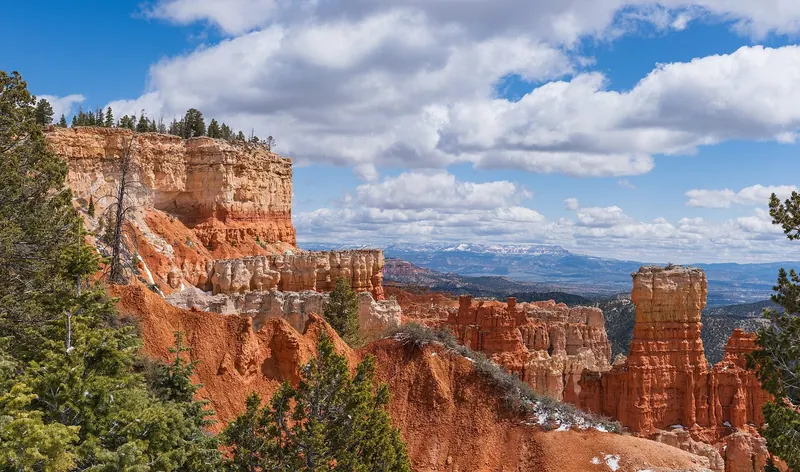
Short answer: Utah national parks in November range from relatively mild Zion to cold, snowy Bryce Canyon, with freezing nights possible across the region. The parks are generally open year-round, but snow and ice can temporarily close roads and trails, so check park alerts and forecasts before setting out.
Conditions vary with elevation, storms and time of day. Pack for cold mornings and evenings, confirm seasonal services, and keep a flexible plan in case a road or trail closes.
What is the weather like in Utah national parks in November?
November temperatures vary by park. These figures are seasonal references rather than a day-specific forecast; Canyonlands’ figures are broad winter ranges, not November-specific averages.
| Park | November temperature reference | Snow or precipitation reference |
|---|---|---|
| Arches | Average high 56°F; average low 30°F | 0.60 inches average precipitation |
| Bryce Canyon | Average high 45°F; average low 23°F | 10 inches of normal November snowfall |
| Capitol Reef | Average high 51°F; average low 31°F | 0.51 inches precipitation; 1.5 inches snowfall |
| Zion | Normal high 63.5°F; normal low 37°F | 1.42 inches normal precipitation; normals use 1981–2010 data |
| Canyonlands | Broad winter range: highs of 30–50°F and lows of 0–20°F | — |
Arches’ high-desert temperatures can swing by more than 40°F in one day. Small amounts of snow or ice can make roads and trails impassable. Bryce Canyon averages 10 inches of normal November snowfall, so check its winter conditions and access guidance before driving the main road.
Zion has the mildest listed November temperature normals, but its mornings and nights can still be cold. Capitol Reef’s NPS guidance describes November through February as cold, with highs of 30–45°F and nighttime temperatures below freezing. Snow may melt the same day or linger for days or weeks.
Are Utah’s national parks open in November?
Yes, the five southern Utah parks are generally open year-round, but not every road, trail, visitor center or service is available all the time. Snowstorms can trigger temporary closures, and seasonal facility hours may be shorter than in summer.
Check each park’s alerts and road conditions shortly before travel and again during the trip. Park conditions and services can change with the weather and season.
At Bryce Canyon, the 18-mile main road can temporarily close beyond mile 3 after a snowstorm while crews plow. The Bryce Amphitheater area receives priority for plowing, but access farther along the road may be affected. The visitor center’s winter hours are 8:00 a.m. to 4:30 p.m.; the park lists its shuttle season as April through October 20, so plan on driving rather than expecting shuttle service in November.
Arches is generally open 24 hours year-round. After snowfall, its park road may close for several hours for plowing, and shaded roads, parking areas and pullouts can remain icy.
Canyonlands is also generally open 24 hours. The Island in the Sky visitor center’s late-fall hours are 8:00 a.m. to 4:00 p.m. through November 28; winter hours begin November 29, from 9:00 a.m. to 4:00 p.m. Confirm current hours before relying on visitor-center services.
Rain and snow can make Capitol Reef’s dirt roads impassable. The park also advises against entering narrow canyons when rain is threatening or has recently fallen. Revise your route if weather changes make a road or canyon unsafe.

Can you drive through Bryce Canyon and the other parks in November?
Park roads are generally accessible in November, but snow, ice or muddy conditions may cause temporary closures. Bryce Canyon’s main road is plowed after storms, while paved roads in Canyonlands may close temporarily for plowing and unpaved backcountry roads can remain impassable longer.
For Canyonlands backcountry driving, the NPS advises carrying chains for all four tires, especially from October through April. Do not assume a high-clearance or four-wheel-drive vehicle makes a wet, snowy or icy road safe. Check the Canyonlands winter access guidance and current Canyonlands road conditions before choosing a route.
At Arches, even a small amount of snow or ice can make roads and trails impassable. The park road may close while crews plow, and shade can leave ice on pavement and in parking lots. For road-trip planning, see our winter road trip checklist and step-by-step travel emergency guide.
Does Zion’s shuttle run in November?
Zion’s shuttle can run during part of November, but service is date-specific, so check the schedule for your visit. The published 2026 schedule for October 25 through November 28 lists Zion Canyon shuttle service from 7:00 a.m. to 5:00 p.m.; the last shuttle out from the Temple of Sinawava is listed at 6:15 p.m.
During shuttle operation, the shuttle is required to access the Zion Canyon Scenic Drive. Do not assume the same schedule applies throughout November or in another year. Check the official Zion Canyon shuttle schedule for your exact dates and allow time to catch your last shuttle.
Are Arches and Canyonlands worth visiting in November?
Arches and Canyonlands can be rewarding November visits if you are prepared for cold starts, variable temperatures and possible snow or ice. The parks and their roads are generally open year-round, but weather can temporarily affect access and hiking conditions.
At Arches, the average November high is 56°F and low is 30°F, so bring layers even if the afternoon forecast looks comfortable. The NPS recommends traction devices and trekking poles for icy trails. Canyonlands’ broad winter temperature guidance spans highs of 30–50°F and lows of 0–20°F; check the forecast for your dates.
For 2026, Arches does not require advance timed-entry reservations, although vehicles may be diverted when the park is congested. Check the park’s current entry information before departure. Keep backup plans if your itinerary depends on an unpaved road or a specific trail.

What should you pack for Utah national parks in November?
Pack layers, footwear suited to cold and changing trail conditions, and a way to add traction if ice is present. November mornings and nights can be below freezing, even where afternoon temperatures feel mild.
- Clothing: Bring warm layers and a weather-resistant outer layer so you can adjust as temperatures change through the day.
- Footwear: Choose footwear appropriate for cold trails, and consider traction devices for icy surfaces.
- Hiking support: Trekking poles can help on icy trails; use extra care on shaded sections and near parking areas.
- Vehicle preparation: Check road and weather updates before driving. Carry chains for all four tires if you plan Canyonlands backcountry driving.
- Route flexibility: Identify alternate walks and viewpoints in case a road, trail or facility is temporarily closed.
Stay on durable surfaces and turn back when conditions make a route unsafe. At Capitol Reef, avoid narrow canyons when rain is threatening or has recently fallen, and do not enter dirt roads that rain or snow has made impassable.
If colder weather is not the kind of November trip you want, compare other options in our guide to warm places to visit in November. Check forecasts and park alerts close to departure, since snow, ice and road access can change with a storm.
How much does it cost to enter Utah’s national parks?
As of October 24, 2026, standard private-vehicle entrance passes range from $20 to $35 per vehicle: Capitol Reef is $20, Arches and Canyonlands are $30 each, and Bryce Canyon and Zion are $35 each. Fees are year-round and can change, so verify the current National Park Service entrance fees for Utah before travel.
As of October 24, 2026, the NPS also lists an additional $100 nonresident fee for visitors ages 16 and older at Bryce Canyon and Zion. Check current park fee information to confirm how it applies to your visit.
Frequently asked questions
Which Utah national park is warmest in November?
Zion has the warmest listed November normal, with a high of 63.5°F and a low of 37°F. Cold mornings and changing conditions are still possible.
Does it snow in Utah national parks in November?
Yes. Bryce Canyon averages 10 inches of normal November snowfall, and snow or ice can also affect roads and trails at other parks.
Is Bryce Canyon’s main road open in November?
It is generally accessible, but after snowstorms the road can temporarily close beyond mile 3 while crews plow. Check current road conditions before driving.
Do you need reservations for Utah national parks in November?
For 2026, Arches does not require advance timed-entry reservations, though congestion may lead to vehicle diversions. Check each park’s current entry information for your travel dates.