
Best Places to See the Northern Lights in November 2026
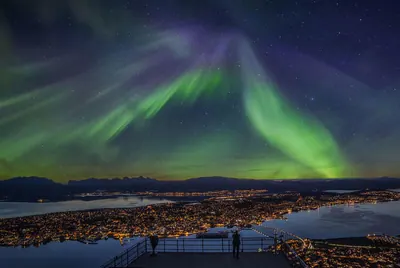
Short answer: the best places to see the northern lights in November 2026 are Tromsø (Norway), Abisko (Sweden), Finnish Lapland (Rovaniemi and further north), Iceland, Yellowknife (Canada) and Fairbanks (Alaska). November has long, dark nights and fewer visitors than the December-March peak. Plan at least three or four nights, stay away from city lights, and check the aurora and cloud forecasts each evening.
Updated October 2026 for November 2026. Aurora activity can never be guaranteed; the forecasts linked below are the best guide on the night.
November is an underrated month for aurora hunting. The nights are already long across the Arctic, the snow is arriving, and prices are lower than over Christmas. The Sun is also still near the active phase of its roughly 11-year cycle, which peaked around 2024-2025, so strong displays remain more frequent than in quieter years. This guide covers where to go, how to choose, when to look and what to pack.
Why November is a good month for the northern lights
- Long nights: above the Arctic Circle, nights are long enough for many hours of viewing. In Tromsø the sun sets for the last time in late November, at the start of the polar night.
- Solar activity: the aurora depends on activity on the Sun, not on the season. Around the solar maximum and the years just after it, strong geomagnetic storms are more common.
- Prices and crowds: November falls between the autumn and the busy Christmas season, so tours and rooms are easier to book.
- The catch: weather. November can be cloudy in coastal areas. Inland locations and places with a "blue hole" of clear sky do better.
Best northern lights destinations for November
Tromsø, Norway


Tromsø sits right under the auroral oval and is the easiest Arctic city to reach, with direct flights from Oslo and several European cities. It has a lively town, plenty of tours and good infrastructure. The coast can be cloudy, so the best tours drive inland, sometimes into Finland, to find clear skies. Combine with whale watching in the fjords, which often runs from late autumn into winter, and dog sledding once the snow arrives.
Abisko National Park, Sweden


Abisko has a reputation for clear skies thanks to a local rain-shadow effect from the surrounding mountains, which makes it one of the most reliable aurora spots in Europe. The Aurora Sky Station on Mount Nuolja is a famous viewing point. Reach it by train from Kiruna or by the night train from Stockholm. It's small and quiet; book accommodation early.
Finnish Lapland: Rovaniemi and beyond


Rovaniemi is the gateway to Lapland, with a busy airport, Santa Claus Village and many aurora tours. For darker skies, head north to Saariselkä, Inari, Levi or Kilpisjärvi. Glass igloos and aurora cabins are popular (and expensive); a simple cabin away from town lights works just as well. Lapland's inland climate often gives clearer, colder nights than the coast.
Iceland
Iceland combines the aurora with waterfalls, glaciers and hot springs, and Reykjavík is easy to reach from both Europe and North America. Weather changes fast, so stay flexible. Leave Reykjavík's light pollution for the countryside: Þingvellir National Park, the Snæfellsnes Peninsula and the south coast are good bases. Check the Icelandic Met Office's aurora and cloud forecast each day, and the road conditions before driving.
Yellowknife, Northwest Territories, Canada
Yellowknife lies under the auroral oval with flat terrain and a dry, continental climate, and it is one of the best-known aurora destinations in North America. Aurora lodges and heated viewing cabins outside town make long, cold nights comfortable. Early November can be cloudy as the lakes freeze, and it's cold, so dress for serious winter.
Fairbanks, Alaska
Fairbanks is the easiest aurora destination for US travellers, with direct flights from several US cities and good tours. The University of Alaska Fairbanks' Geophysical Institute publishes an aurora forecast. Head out of town (Cleary Summit, Murphy Dome) or stay at a lodge with dark skies, and combine with a soak at Chena Hot Springs.
How to choose: quick comparison
| Destination | Strengths | Watch out for |
|---|---|---|
| Tromsø | Easy access, lots of tours, whales and fjords | Coastal clouds; expensive |
| Abisko | Often clear skies, dark and quiet | Small; limited lodging |
| Finnish Lapland | Inland weather, cabins, family activities | Snow can be thin in early November |
| Iceland | Aurora plus landscapes and hot springs | Changeable weather, winter driving |
| Yellowknife | Under the oval, comfortable aurora lodges | Very cold; some cloud early in the month |
| Fairbanks | Easy from the US, hot springs | Very cold; drive out of town for dark skies |
When and how to see the aurora
- Stay at least three or four nights. More nights mean more chances of clear skies and activity coming together.
- Look between about 9 pm and 2 am, though displays can happen any time it's dark.
- Get away from lights. Even a small town's glow washes out a faint aurora.
- Check two forecasts: aurora activity, such as NOAA's 30-minute aurora forecast, and the local cloud forecast. Clear skies matter more than a high Kp index.
- Be patient. The aurora often starts as a faint grey-green arc and can brighten suddenly. Let your eyes adjust for 15-20 minutes without looking at a bright phone screen.
- The moon: a full moon brightens the sky and hides faint auroras, though it lights up the landscape for photos. The days around a new moon are best for dark skies.
Tour or go it alone?
A guided tour is worth it for your first nights: guides know where the clouds are breaking, drive on icy roads for you and often help with photos. Once you know the area, independent viewing from a dark spot near your accommodation is cheaper and quieter. Only drive yourself if you are experienced on snow and ice.
Photographing the northern lights
- Use a tripod. Exposures last several seconds.
- Start with a wide-angle lens at its widest aperture (f/2.8 or lower), ISO 1600-3200 and 5-15 seconds, then adjust.
- Focus manually on a bright star or a distant light.
- Most recent phones have a night mode that captures auroras well; brace the phone or use a small tripod.
- Carry spare batteries in an inside pocket. Cold drains them quickly.
What to pack for an Arctic November
- Thermal base layers (merino wool is best), a fleece mid-layer and a windproof, insulated outer layer.
- Insulated, waterproof boots with good grip, and wool socks.
- A warm hat, a neck gaiter and two pairs of gloves (thin liners plus mittens).
- Ice grips for your boots: pavements are icy.
- A headtorch with a red-light mode.
- A thermos for hot drinks on long nights outside.
Many tour companies lend thermal suits and boots, which saves buying expensive gear for one trip.
Safety in the Arctic winter
- Don't wander onto frozen lakes or into the backcountry alone in the dark.
- Check road conditions before driving, and carry warm clothing, food and water in the car.
- Watch for frostbite on fingers, toes, nose and ears: numbness and white or greyish skin are warning signs.
- Tell someone where you're going if you head out independently.
Our emergency travel safety steps are worth reading before any remote trip.
Combine it with more November travel
Many travellers pair an aurora trip with a few days at the Christmas markets, which open in late November. If you'd rather chase sun than snow, see our warm November getaways. More outdoor trips are in Adventure Travel.
Frequently asked questions
Is November a good month to see the northern lights?
Yes. Nights are long across the Arctic, the Sun is still near the active phase of its cycle, and prices are lower than over Christmas. The main risk is cloud, so stay several nights and stay flexible.
Where is the best place to see the northern lights in November?
Tromsø in Norway, Abisko in Sweden, Finnish Lapland, Iceland, Yellowknife in Canada and Fairbanks in Alaska. Abisko and inland Lapland often have clearer skies than the coast.
What time can you see the northern lights?
Most often between about 9 pm and 2 am, but displays can happen at any time it is fully dark.
How many nights do I need to see the northern lights?
Plan at least three or four nights, so that clear skies and aurora activity have more chances to coincide.