
Authentic Christmas Markets 2026: Dresden, Nuremberg, Munich, Cologne and More
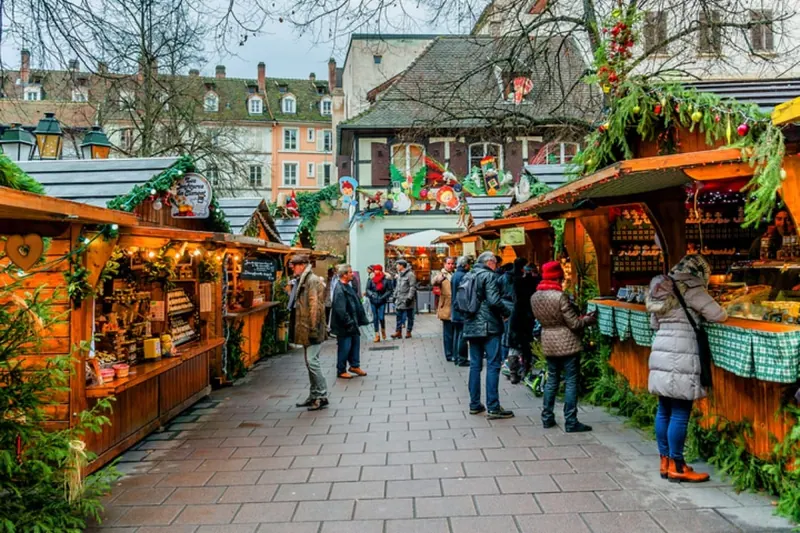
Short answer: for an authentic Christmas market trip in 2026, choose Dresden's Striezelmarkt (one of Germany's oldest, first recorded in 1434), Nuremberg's Christkindlesmarkt, Munich's Christkindlmarkt or the Cologne markets, and add Vienna or Strasbourg if you have time. Most German markets open in the last week of November; the first Sunday of Advent is 29 November 2026. Go on a weekday evening, carry some cash and expect to pay a small deposit on your mulled-wine mug.
Updated October 2026 for the 2026 season. Opening dates below are typical patterns; cities publish exact dates and hours in the autumn, so confirm on the official market or city tourism site (the German National Tourist Board links to most of them) before you book.
Christmas markets began in German-speaking Europe in the late Middle Ages, and the best ones still feel rooted in their cities: local crafts, regional food and old squares lit up for Advent. This guide focuses on the classic German markets and how to visit them well, with tips on timing, food, etiquette, getting between cities and avoiding the crowds.
When do Christmas markets open in 2026?
Most traditional German markets open in the week before the first Sunday of Advent, which in 2026 is 29 November. Many therefore open between about 23 and 27 November 2026 and run until 23 or 24 December. Some cities start earlier: Vienna and Cologne often open in mid-November, and a few markets carry on until the New Year.
| Market | Typical opening pattern | Typical end |
|---|---|---|
| Dresden Striezelmarkt | Late November, just before the first Advent Sunday | 24 December |
| Nuremberg Christkindlesmarkt | The Friday before the first Advent Sunday, with the Christkind's opening prologue | 24 December |
| Munich Christkindlmarkt (Marienplatz) | Late November | 24 December |
| Cologne markets | Mid to late November | Around 23 December (some later) |
| Vienna (Rathausplatz) | Mid-November | Around 26 December |
| Strasbourg Christkindelsmärik | Late November | 24 December |
A late-November trip catches the opening days with fresh decorations and smaller crowds than in December, and flights and hotels are cheaper than closer to Christmas.
Dresden Striezelmarkt


Dresden's Striezelmarkt is one of Germany's oldest Christmas markets, first recorded in 1434, and is held on the Altmarkt square in the city centre. Its name comes from "Striezel", an old word for the Dresden Stollen, the fruit bread that is the city's most famous Christmas food.
- Look for: the giant Erzgebirge-style wooden Christmas pyramid, and handmade crafts from the nearby Ore Mountains: nutcrackers, incense smokers ("Räuchermännchen") and wooden candle arches.
- Eat and drink: Dresden Stollen (buy the sealed, certified kind to take home), Pulsnitz gingerbread and Glühwein.
- Don't miss: the Stollen Festival, usually held on the Saturday before the second Advent Sunday, when a giant Stollen is paraded through the old town.
- Also visit: the smaller medieval market at the Stallhof and the markets around the Frauenkirche.
Nuremberg Christkindlesmarkt


Nuremberg's market on the Hauptmarkt is one of the most famous in the world and works hard to stay traditional: plastic decorations are discouraged and stalls are dressed in red and white cloth.
- Opening: the market opens with the "Christkind", a young woman chosen to play the Christ Child, reading a prologue from the balcony of the Frauenkirche.
- Eat and drink: Nürnberger Rostbratwürste (three small sausages in a roll, "Drei im Weggla"), Lebkuchen (Nuremberg gingerbread) and fruit figures made from prunes ("Zwetschgenmännle").
- For families: the Children's Christmas Market on the Hans-Sachs-Platz, with a carousel and craft activities, and the Market of the Sister Cities with stalls from Nuremberg's twin towns.
Munich Christkindlmarkt
Munich's main market fills Marienplatz in front of the neo-Gothic town hall, with a huge Christmas tree and Advent music from the town hall balcony. The city has many other markets too, and moving between them is part of the fun.
- Look for: the Kripperlmarkt, one of Germany's largest markets for nativity scene figures, near Marienplatz.
- Other markets: the medieval market at Wittelsbacherplatz, the "Pink Christmas" market for the LGBTQ+ community in the Glockenbachviertel, the Christmas Village in the Residenz courtyard, and the market at the Chinese Tower in the English Garden.
- Eat and drink: roasted almonds, Dampfnudeln (steamed sweet dumplings), Bavarian sausages and Feuerzangenbowle, a rum-flamed mulled wine.
Cologne Christmas markets

.jpg)
Cologne runs several distinct markets within walking distance, so it's ideal for a short city break.
- Cathedral market: in the shadow of Cologne Cathedral, under a canopy of lights. The setting is spectacular but it's the most crowded.
- Heinzels Wintermärchen (Old Town): on the Alter Markt and Heumarkt, themed on the "Heinzelmännchen", the house gnomes of Cologne folklore, often with an ice rink.
- Market of the Angels (Neumarkt): known for its white-robed angels walking among the stalls.
- Harbour Christmas market: by the Chocolate Museum, with a maritime theme.
- Eat: Reibekuchen (potato pancakes with apple sauce) and Kölsch beer if you've had enough Glühwein.
More authentic markets worth the trip
- Vienna, Austria: the Rathausplatz market is the big one; for something calmer try Spittelberg's craft market or the market at Schönbrunn Palace.
- Strasbourg, France: "Christkindelsmärik", one of the oldest markets in France, spread across the old town.
- Rothenburg ob der Tauber, Germany: the Reiterlesmarkt in a near-perfect medieval walled town.
- Aachen, Germany: around the cathedral, famous for Printen gingerbread.
- Bautzen and Erzgebirge towns, Saxony: small markets close to the region's woodcraft traditions.
Plan a route: market clusters
| Route | Cities | Why it works |
|---|---|---|
| Saxony | Dresden, Leipzig, Erzgebirge towns | Short train hops; strong craft traditions |
| Bavaria and Franconia | Munich, Nuremberg, Rothenburg | Fast trains between Munich and Nuremberg |
| Rhineland | Cologne, Aachen, Düsseldorf | All within an hour by train |
| Upper Rhine | Strasbourg, Colmar, Freiburg | French and German markets in one trip |
German regional and long-distance trains connect all these cities; check timetables and fares on Deutsche Bahn. Book long-distance tickets early for the cheapest saver fares, especially for weekends in December.
Tips for visiting Christmas markets
Beat the crowds
- Go on a weekday, ideally Monday to Thursday.
- Arrive late afternoon to see the lights come on, before the after-work crowds.
- Visit the big markets early in the season (late November) rather than mid-December weekends.
Market etiquette


- Mug deposit (Pfand): you pay a deposit of a few euros for your mug. Return it for a refund or keep it as a souvenir; many cities design a new mug each year.
- Cash: card payment is now widely accepted, but small stalls may still prefer cash.
- Ask before photographing stallholders and their crafts close up.
- Keep your bag in front of you in the crowds; pickpockets work busy markets.
Buy authentic
- Look for crafts made in the region (Erzgebirge woodwork, Lauscha glass ornaments, beeswax candles).
- Ask stallholders where things are made; good craftspeople are happy to explain.
- Protected local specialities like Dresden Stollen and Nuremberg Lebkuchen carry quality seals.
What to pack
- A warm, waterproof coat, hat, scarf and gloves. You'll be standing outside for hours.
- Comfortable waterproof shoes for cobblestones.
- A small cross-body bag and a reusable tote for purchases.
- Bubble wrap or soft clothing to protect fragile ornaments in your luggage.
Travelling on your own? Christmas markets are a great first solo city break: busy, well-lit and easy to navigate. See our solo female travel safety tips.
Combine it with more winter travel
Add a few nights further north to chase the northern lights in November, or, if you'd rather have sunshine, look at our warm November getaways. Many of the churches near these markets also have centuries-old art of St. Christopher; our guide to the patron saint of travellers tells you what to look for. More city breaks are in City Guides.
Frequently asked questions
When do Christmas markets open in 2026?
Most traditional German markets open in the week before the first Sunday of Advent, which is 29 November 2026, so typically between about 23 and 27 November. Vienna and Cologne often open in mid-November. Check each market's official site for exact dates.
What is the oldest Christmas market in Germany?
Dresden's Striezelmarkt, first recorded in 1434, is usually cited as one of the oldest, though Bautzen also claims an older market.
Which German Christmas market is the best?
For tradition, Dresden and Nuremberg. For variety, Munich and Cologne, which each have several markets within walking distance.
What is the mug deposit at Christmas markets?
Drinks are served in ceramic mugs with a deposit (Pfand) of a few euros. Return the mug for your money back, or keep it as a souvenir.
Are Christmas markets open in November?
Yes, from mid to late November in most cities. Late November is a good time to go: the decorations are fresh and crowds are smaller than in December.