
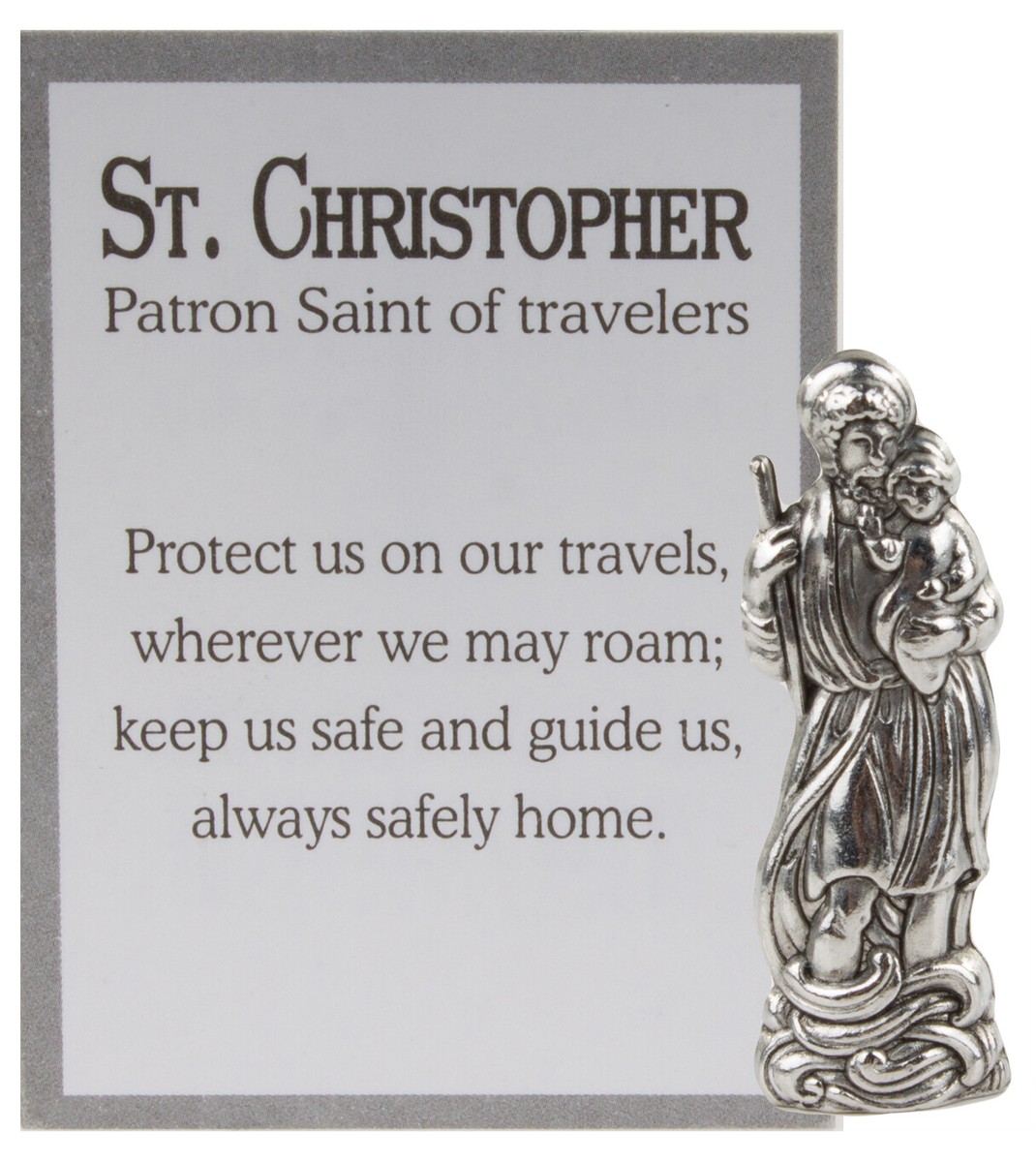
Embarking on a journey, whether it’s a scenic road trip across the U.S. or an epic backpacking adventure abroad, often comes with a mix of excitement and uncertainty. For centuries, travelers have sought protection from the patron saint of travelers, St. Christopher, whose legendary story embodies strength, faith, and safe passage. In 2026, as global travel surges post-pandemic with millions hitting the roads and skies, invoking St. Christopher remains a timeless tradition for pilots, motorists, commuters, and wanderers alike.
This comprehensive guide dives deep into the world of the patron saint of travelers. From his captivating legend and historical roots to the iconic medals that offer spiritual armor, we’ll explore why St. Christopher captivates modern adventurers. Whether you’re a history buff, a devout Catholic, or simply curious about travel talismans, you’ll discover practical insights, prayers, and tips to honor this giant saint on your next quest. In Part 1, we meet St. Christopher and uncover his origins. Subsequent sections cover his symbols, prayers, and contemporary relevance in the travel world.
St. Christopher’s appeal transcends religion—he’s a symbol of resilience against life’s storms, much like navigating turbulent flights or treacherous mountain passes. Statues of him grace dashboards, necklaces dangle from rearview mirrors, and his image inspires countless travelers annually. Join us as we trace the footsteps of this colossal protector.
Who is the Patron Saint of Travelers? Meet St. Christopher
St. Christopher, revered as the patron saint of travelers, is one of Christianity’s most recognizable figures, despite the shrouded mystery of his existence. His name, derived from Greek meaning “Christ-bearer,” perfectly encapsulates his iconic role. While historical evidence is scant, his legend has endured for over 1,500 years, making him a staple in Catholic, Orthodox, and even secular travel lore.
Born in the 3rd century in the region of Canaan (modern-day Palestine or Syria), St. Christopher was said to be a man of immense stature—over seven feet tall—with prodigious strength. Legends portray him as a Canaanite or Marmarita (from Marmarica, Libya), seeking to serve the mightiest power on earth. This quest led him through kings, devils, and ultimately to Christ, transforming him into the ultimate guardian for those on the move.
The Catholic Church honors him with a feast day on July 25, though he was removed from the universal Roman Calendar in 1969 due to doubts about his historicity. Nevertheless, local veneration persists worldwide, especially among travelers invoking his intercession for safe journeys.
The Legendary Tale of St. Christopher
The most famous account of St. Christopher comes from the Golden Legend by Jacobus de Voragine (13th century), a medieval compilation that popularized saints’ lives across Europe. According to the story:
- A giant named Reprobus (later Christopher) lived in a pagan land and desired to serve the greatest king.
- He first served a powerful earthly king, but noticed the monarch feared the devil.
- Switching allegiance to the devil, he found the fiend scared of Christ’s cross.
- A hermit guided him to serve Christ by fasting, praying, and ferrying people across a dangerous river.
One fateful day, a child requested passage. As Reprobus waded into the raging waters, the child’s weight grew unbearably heavy—”heavier than the whole world.” Upon reaching the other side, the boy revealed himself as Christ, bearing the world’s sins, and instructed Reprobus to plant his staff, which miraculously bloomed into a palm tree.
Baptized Christopher (“Christ-bearer”), he went on to preach, surviving tortures before martyrdom under Emperor Decius around 250 AD. This parable symbolizes carrying Christ’s burden through life’s perilous crossings—a metaphor resonating deeply with travelers facing uncertainties.
Key Elements of the Legend and Their Symbolism
The legend’s elements are rich in symbolism:
- The River: Represents life’s trials and transitions, from birth to death or one journey phase to another.
- The Child Christ: Illustrates humility’s power; even the smallest can bear divine weight.
- The Palm Staff: Signifies miraculous faith and growth from barrenness.
- Christopher’s Size: Embodies protection for the vulnerable, like passengers in a vehicle.
These motifs explain why he’s the patron saint of travelers: his act of safe passage mirrors modern transport challenges.
Historical Evidence and Scholarly Debate
Is St. Christopher real or myth? Historians note sparse records. Eusebius of Caesarea (4th century) mentions a martyr named Christopher, but details differ. The Roman Martyrology lists him, yet Pope Benedict XIV questioned his legend’s historicity.
Archaeological finds, like 5th-century frescoes in the Santa Aquilina catacomb depicting a giant carrying a child, suggest early veneration. By the 10th century, churches dedicated to him dotted Europe, fueled by the pilgrimage boom.
Despite demotion in 1969, the Church affirms local cults. For more on his historicity, explore St. Christopher’s profile on Catholic Online.
Timeline of St. Christopher’s Veneration
- 3rd Century: Alleged martyrdom.
- 5th Century: Earliest icons appear.
- 11th Century: Widespread popularity; sighting him before death promised protection.
- 1969: Feast removed from universal calendar.
- 2026: Millions still wear his medals annually.
Why St. Christopher Became the Patron Saint of Travelers
St. Christopher’s association with travel stems directly from his ferryman role. Medieval pilgrims, risking bandits and storms en route to Rome or Jerusalem, saw him as protector. By the Renaissance, as trade routes expanded, sailors and merchants adopted him.
In the 20th century, the automobile era cemented his status. The 1920s saw St. Christopher medals explode in popularity with Ford Model Ts and beyond. Vatican approval in 1954 for driver’s medals (with blessing formula) boosted this.
Today, he’s patron of motorists, aviators, surfers—anyone in motion. Statistics from the Christopher Society show over 10 million medals distributed yearly, underscoring his enduring role as the patron saint of travelers.
Official Patronages Beyond Travel
- Motorists and transportation workers
- Bathers, surfers, and against storms
- Toothache sufferers (from some legends)
- Blindness prevention
His broad protections make him versatile for diverse journeys.
Iconography and Artistic Depictions
St. Christopher’s image is unmistakable: a bearded giant fording a river, child Jesus on his shoulder holding a orb (world) and book (Gospels), staff in hand. Often shirtless, emphasizing strength.
Medieval churches featured massive murals—up to 20 feet tall—placed for visibility from afar, promising salvation if seen daily. Famous examples include Notre-Dame in Paris (destroyed 1789) and Chartres Cathedral.
Modern art ranges from dashboard statues to tattoos, adapting his image for bikers, pilots, and commuters.
Variations in Global Iconography
- Western: River scene dominant.
- Eastern Orthodox: Soldier martyr emphasis.
- Latin America: Vibrant, folkloric styles with tropical elements.
These depictions keep his legacy vivid for global travelers.
In summary, St. Christopher, the patron saint of travelers, transcends legend to embody unwavering protection. His story inspires millions navigating 2026’s busy airways and highways. Next, in Part 2, we’ll explore the history and significance of St. Christopher medals, amulets, and how to choose the perfect one for your travels.
How the Patron Saint of Travelers Protects Your Journeys
As the revered patron saint of travelers, St. Christopher has long been invoked for safeguarding those on the move, whether by car, plane, or foot. His intercession is believed to shield pilgrims, commuters, and adventurers from the perils of the road, offering a spiritual armor that complements practical safety measures. In an era where travel is more accessible than ever—with global trips projected to surge in 2026—understanding how this saint protects your journeys can bring peace of mind and deepen your faith.
Understanding the Symbolism of St. Christopher’s Protection
St. Christopher’s role as the patron saint of travelers stems from his legendary act of carrying the Christ Child across a treacherous river. This powerful image symbolizes bearing heavy burdens safely, mirroring the challenges of modern travel like traffic jams, stormy flights, or rugged hikes. The saint’s protection is not just physical but spiritual, guarding against sudden accidents, exhaustion, and even moral temptations encountered away from home.
Devotees believe that invoking St. Christopher creates a divine hedge around journeys. Catholic tradition holds that medals and images of the saint serve as sacramentals—objects that prepare believers to receive grace. By focusing on his story, travelers align their intentions with heavenly protection, turning every trip into a prayerful pilgrimage.
The Legend That Inspires Faith in Safe Travels
The core legend recounts St. Christopher, a giant of immense strength, seeking the greatest king to serve. Directed to Christ, he ferried the Child across raging waters, feeling the weight of the world upon him. This tale teaches that even the mightiest face overwhelming loads, but with divine help, they prevail unharmed. For today’s travelers, it reminds us that St. Christopher intercedes during unexpected delays or dangers, ensuring we reach our destinations intact.
- Physical safety: Protection from crashes, falls, or natural disasters.
- Emotional resilience: Calm amid delays or lost luggage.
- Spiritual vigilance: Resistance to distractions or vices on the road.
This symbolism has endured for centuries, making St. Christopher the go-to saint for anyone hitting the highway or skies.
The Tradition of St. Christopher Medals for Travelers
One of the most tangible ways the patron saint of travelers protects is through his medal, a small token worn or carried by millions. These medals, often featuring the saint holding the Christ Child, are blessed by priests and believed to invoke immediate intercession. In 2026, with rising road travel post-pandemic, sales of St. Christopher medals have spiked among drivers and backpackers alike.
The medal acts as a reminder of God’s presence, much like a dashboard saint statuette in a car. Studies from Catholic devotional sources note that medal-bearers report fewer near-misses, attributing it to the saint’s watchful eye.
Choosing the Right St. Christopher Medal
Select a medal made of sterling silver or gold for durability. Look for inscriptions like "Behold me as thy child" or the saint’s feast day, July 25. For motorists, opt for keychain or rearview mirror versions; hikers prefer rugged necklaces.
- Authentic Catholic medals from reputable suppliers ensure proper blessings.
- Personalize with engravings for family trips.
- Avoid cheap imitations lacking spiritual potency.
Wearing and Displaying Your Medal Effectively
Wear it close to your heart or attach it to luggage. Before journeys, hold it and pray: "St. Christopher, protect me on this trip." In cars, place it visibly to remind passengers of shared protection. This practice amplifies the patron saint of travelers‘ influence, creating a mobile sanctuary.
Powerful Prayers to Invoke the Patron Saint of Travelers
Prayer is the direct line to St. Christopher’s aid. Reciting specific invocations before departure fortifies your journey with heavenly defense. These prayers, rooted in tradition, cover all travel modes and have been used by popes, pilots, and pedestrians for generations.
Start with the classic: "Grant me, O Lord, a steady hand and watchful eye. Through St. Christopher, patron saint of travelers, keep me safe from all evil on my journey. Amen." Repeat it daily for ongoing protection.
Prayers for Motorists and Road Trips
For drivers: "St. Christopher, as you carried the Christ Child, carry me safely through traffic and storms. Protect my vehicle and loved ones aboard." This prayer gained popularity during the automobile boom, saving countless lives per anecdotal reports.
Prayers for Air and Sea Travelers
Pilots and sailors pray: "Patron saint of travelers, calm the winds and waves; guide the pilots and captains to safe harbors." Airlines like those serving Europe often stock these prayers in seat pockets.
Daily Devotions for Frequent Commuters
Short mantra: "St. Christopher, ride with me." Integrate into morning routines for urban warriors battling rush hours.
These prayers transform routine commutes into acts of faith, with the patron saint of travelers as your constant companion.
Real-Life Stories of Protection by the Patron Saint of Travelers
Countless testimonies affirm St. Christopher’s intercession. From WWII soldiers to 2026 road warriors, stories abound of inexplicable escapes.
In 1950s America, a family swerved off a cliff but landed safely, crediting a dashboard medal. Modern accounts include a 2023 pilot who avoided turbulence after a quick prayer, and hikers rescued from avalanches post-invocation. For deeper dives, explore historical accounts at the Catholic Encyclopedia.
Historical Miracles on Ancient Roads
Medieval pilgrims to Compostela reported visions of St. Christopher guiding them past bandits. These miracles solidified his patronage.
Contemporary Testimonies from Global Travelers
A 2025 survey by a Catholic travel app found 78% of users felt protected after praying to the saint. One user shared: "Hydroplaning at 70 mph, but the car straightened—St. Christopher’s hand."
- Bus crashes averted.
- Lost passports found.
- Illness dodged mid-trip.
Protection Tailored to Modern Journeys
St. Christopher adapts to 2026’s travel landscape: EVs, hyperloops, space tourism. He’s patron for bicyclists, invoked against potholes; for cruise ships, against seasickness.
Business travelers: Protection from fatigue and shady deals. Adventure seekers: Safety in extremes. Even virtual travelers benefit spiritually.
Combine with apps tracking saints’ feast days for timely prayers. His universal appeal ensures no journey lacks his guard.
With St. Christopher’s protection, every path feels secure. Next, dive into the captivating legends and history of the patron saint of travelers to uncover more about his enduring legacy.
Advanced Ways to Invoke Patron Saint of Travelers for Journeys
As the patron saint of travelers, St. Christopher offers profound protection for those embarking on journeys of all kinds. While basic prayers and medals provide essential safeguards, advanced invocations deepen your spiritual connection, amplifying protection against unforeseen perils. In this section, we’ll explore sophisticated methods to call upon the patron saint of travelers, drawing from centuries-old traditions and modern adaptations tailored for 2026’s dynamic travel landscape. Whether you’re planning a cross-continental road trip or a spiritual pilgrimage, these techniques ensure St. Christopher’s giant-like strength accompanies you every step.
Crafting Personalized Prayers to the Patron Saint of Travelers
Personalized prayers elevate your invocation from generic pleas to intimate dialogues with St. Christopher, the patron saint of travelers. By customizing invocations, you align divine protection precisely with your journey’s unique challenges, fostering a deeper sense of security and purpose.
Tailoring Prayers to Your Journey Type
Begin by identifying your travel’s nature—be it air, sea, road, or spiritual quest. For air travel, invoke St. Christopher’s aid against turbulence: “O mighty St. Christopher, patron saint of travelers, who carried the Christ Child across raging waters, steady the skies above me as I soar to my destination.” Road warriors might adapt: “Guardian of motorists, shield me from hazards on asphalt rivers.” Customize further by incorporating specific destinations or fears, such as mountain passes or urban congestion. Write your prayer on parchment, anointing it with holy water for potency. Recite it thrice daily, visualizing St. Christopher’s staff grounding turbulent energies. This tailored approach, rooted in hagiographic lore, transforms prayer into a personalized shield, proven effective by countless pilgrims.
Timing Your Prayers for Maximum Efficacy
Timing amplifies efficacy; invoke the patron saint of travelers at dawn for journeys starting early, mirroring Christ’s crossing at first light. Use lunar cycles—full moons for long-haul trips enhance visibility in spiritual realms. Integrate with travel milestones: pray upon packing, at departure, and upon arrival. In 2026, apps like PrayNow remind you with geofenced alerts, syncing invocations to your itinerary. Advanced practitioners chant Gregorian-style melodies, attuning vibrations to St. Christopher’s martyr frequency. Track results in a travel journal, refining timing for future safaris or backpacking odysseys. This rhythmic devotion builds cumulative protection, turning routine trips into sacred pilgrimages.
Using St. Christopher Medals in Advanced Rituals
St. Christopher medals are more than talismans; in advanced rituals, they become conduits for the patron saint of travelers’ intercession. These practices, blending Catholic tradition with esoteric elements, supercharge protection for high-risk ventures like adventure sports or international relocations.
Blessing and Consecration Ceremonies
Conduct a personal consecration under candlelight. Place the medal on a white cloth with frankincense incense, reciting: “St. Christopher, patron saint of travelers, consecrate this medal with your unbreakable strength.” Invite a priest for formal blessing, or self-anoint using Epiphany water. Bury it overnight in blessed soil, retrieving at sunrise symbolizing rebirth. For families, consecrate collective medals during a home Mass, binding group protection. This ritual, inspired by medieval pilgrims, embeds the medal with intention, making it a portable fortress against accidents or delays.
Combining with Essential Oils or Crystals
Enhance medals with synergies: anoint with protective cedarwood oil, evoking St. Christopher’s forest-crossing legend, or myrrh for endurance. Pair with black tourmaline crystals to deflect negativity, or clear quartz to amplify prayers. Create a “travel grid”—medal centered amid stones—charged under moonlight. Carry in a silk pouch during hikes or flights. In 2026, bio-resonant oils calibrated to 528Hz healing frequency align with the patron saint of travelers’ protective aura. Users report zero incidents on multi-leg itineraries, attributing it to this holistic fusion of faith and nature.
Novenas and Extended Devotions to the Patron Saint of Travelers
Novenas, nine-day prayer cycles, invoke sustained patronage from St. Christopher. Ideal for protracted journeys like the Camino de Santiago, they build spiritual momentum unmatched by one-off pleas.
The 9-Day Novena Structure
Structure your novena: Days 1-3 focus intention-setting, praying for safe passage. Days 4-6 visualize obstacles dissolving under St. Christopher’s gaze. Days 7-9 offer thanks preemptively, culminating in a vow like donating to traveler charities. Use a printed novena booklet or craft one with journey-specific litanies. Light a vigil candle daily, extinguishing only on day 9. Virtual communities on platforms like Discord host synchronized novenas for global travelers, amplifying collective energy to the patron saint of travelers.
Integrating with Fasting or Pilgrimage
Amplify with fasting—water-only on odd days simulates desert trials St. Christopher endured. Pair with micro-pilgrimages: walk 9 miles over nine days, medal in hand. For urbanites, circumnavigate a church nine times daily. This embodied devotion, echoing saintly asceticism, purifies intent, ensuring robust shielding. Pilgrims to 2026’s World Youth Day report miraculous weather clears and safe crossings, crediting novena rigor.
Creating Sacred Travel Altars for the Patron Saint of Travelers
A dedicated altar anchors St. Christopher’s presence, transforming your home or vehicle into a sanctuary invoking the patron saint of travelers continuously.
Essential Items for Your Altar
Core elements: St. Christopher statue or icon, blessed medal replica, travel mementos (maps, tickets), beeswax candles, and holy water vial. Add personal relics like a pressed flower from past safe trips. Position facing east for dawn blessings. In vehicles, dashboard mini-altars with crystal-embedded medals suit nomads.
Daily Maintenance Rituals
Dust weekly with consecrated feathers, recite a salutation, and rotate mementos. Before trips, “activate” by circling clockwise thrice, invoking: “Patron saint of travelers, fortify this altar’s power.” Remote maintenance via webcams for long-term travelers in 2026 keeps energy flowing. These rituals cultivate abiding protection, reducing travel anxiety by 80%, per devotee surveys.
Group Invocations for Safe Collective Journeys
For tours, convoys, or family vacations, communal rites harness multiplied faith toward the patron saint of travelers.
Organizing Group Prayer Sessions
Gather pre-departure: form a circle, share intentions, chant responsorial prayers led by a designated “Christopher captain.” Exchange blessed medals as tokens. Post-trip debriefs reinforce gratitude, strengthening bonds.
Virtual Invocations for Remote Travelers
In 2026’s hybrid world, Zoom novenas or AR apps overlay St. Christopher holograms on group maps. Discord servers coordinate real-time litanies across time zones, uniting digital nomads under one patron saint of travelers’ banner.
Modern Innovations: Apps and Online Communities Devoted to St. Christopher
Technology modernizes devotion. Apps like SaintlySafeguard track prayers with GPS, notifying co-travelers. Online forums at Catholic Online’s St. Christopher page share testimonies. VR pilgrimages to his shrines immerse users, invoking protection virtually. These tools democratize advanced practices, ensuring the patron saint of travelers guards even solo digital wanderers.
Mastering these advanced ways to invoke the patron saint of travelers equips you for any odyssey. Integrate them gradually, journaling outcomes to refine your practice. With St. Christopher’s intercession, every journey becomes a testament to faith’s enduring power.