
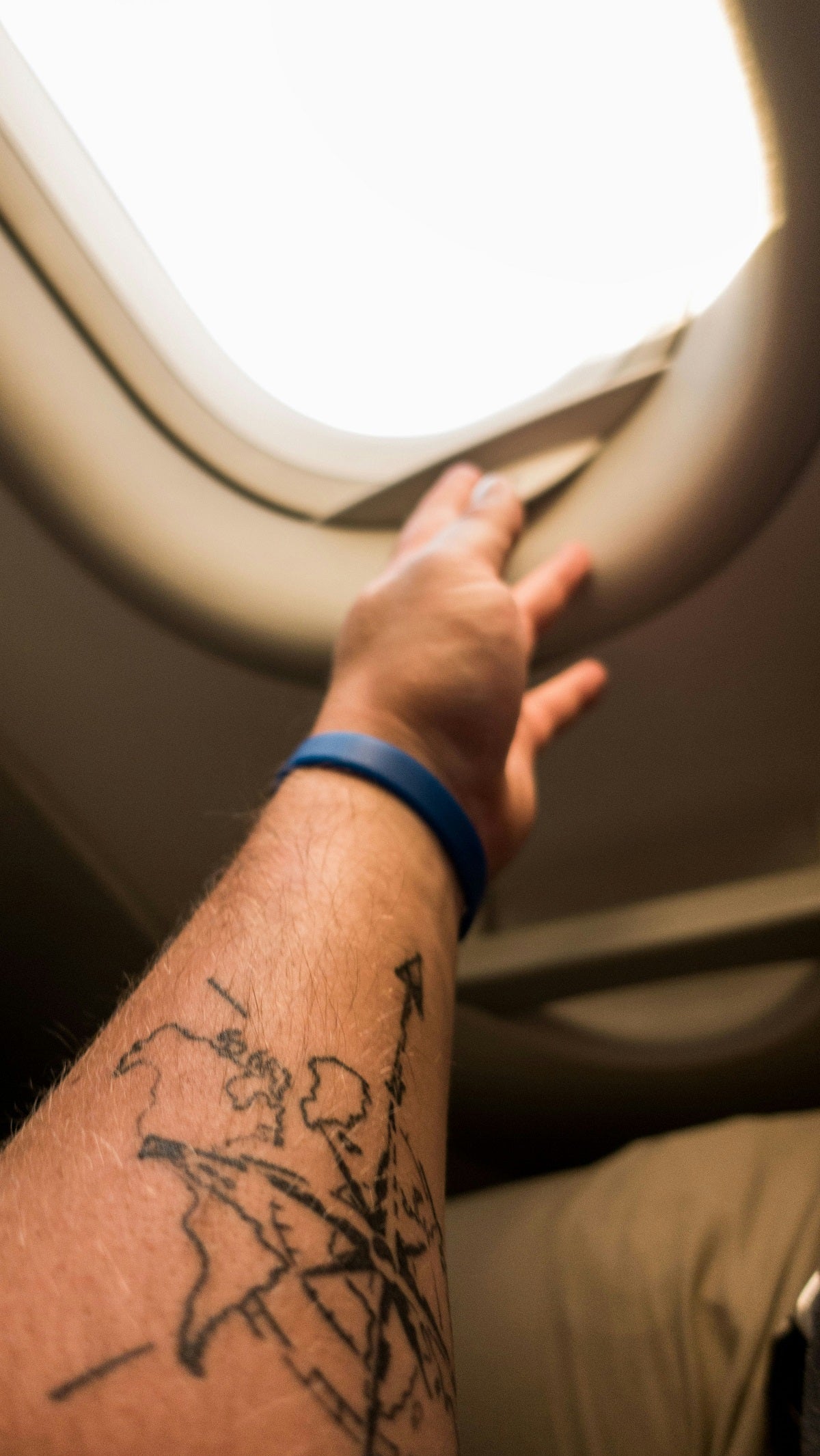
Congratulations on your new ink! While flying with a fresh tattoo creates unforgettable travel memories, air travel introduces unique challenges for proper aftercare. Flying with a new tattoo exposes your healing skin to dry cabin air, pressure changes, and potential contamination risks. Therefore, meticulous pre-flight preparation becomes your first line of defense against fading, infections, and prolonged healing times. In this guide, you’ll discover the crucial steps and must-pack items ensuring your tattoo stays vibrant and healthy miles above ground.
Crucial Pre-Flight Tattoo Aftercare Prep
Securing your tattoo’s longevity begins long before airport security. Proactively managing your fresh ink prevents complications and ensures comfortable travel. Follow these essential steps before your boarding pass gets scanned.
Consult Your Tattoo Artist Before Departure
Your artist is your best resource for flight-specific aftercare advice. Schedule this conversation during your initial appointment. Their expertise tailors recommendations to your tattoo’s size, placement, and your itinerary.
Discuss Flight Timing Relative to Your Tattoo Session
Ideally, wait 48-72 hours after your session before flying. This allows initial weeping and inflammation to subside. For international flights or sensitive placements (joints, feet), longer waits might be necessary. Always prioritize your artist’s clearance.
Get Artist-Specific Product Recommendations
Artists often prefer specific aftercare products they’ve tested. Request travel-sized options or alternative brands if your favorites aren’t TSA-compliant. Crucially, confirm whether your artist recommends moist healing (using balms) or dry healing methods for air travel.
Assemble Your Tattoo Aftercare Travel Kit
Packing for tattoo aftercare requires precision. Every item should serve a clear purpose while complying with airline regulations.
Hygiene Essentials: Travel-Sized & TSA-Compliant
Prioritize fragrance-free, antibacterial liquid soaps in containers under 3.4 ounces. Pack alcohol-free wipes for quick cleansing when sinks aren’t accessible. Remember, all liquids must fit in a single quart-sized plastic bag per TSA’s 3-1-1 rule.
Healing Ointments and Moisturizers
Choose travel-sized, fragrance-free ointments like Aquaphor or tattoo-specific balms. For longer flights, include a mini moisturizer to combat cabin dryness. Verify your product’s consistency—gels over 3.4 ounces will be confiscated.
Protective Barriers: Saniderm vs. Alternatives
If your artist applied Saniderm or Tegaderm, pack extra sheets sized 1-2 inches larger than your tattoo. For traditional healing, include non-stick gauze pads and hypoallergenic medical tape. Never reapply adhesive barriers mid-flight without washing hands thoroughly first.
Comfort Additions: Cooling Pads & Compression
Gel cooling packs (frozen solid pre-flight) soothe inflammation during travel. For limb tattoos, consider mild compression sleeves preventing swelling without restricting circulation. Test comfort during shorter journeys first.
Strategic Packing for In-Flight Accessibility
Your aftercare kit must be reachable mid-flight, not buried in checked luggage. Follow this organization system.
Carry-On Essentials Organization
Use clear, TSA-approved pouches within easy reach. Separate liquids from dry items like gauze. Keep ointments upright to prevent leaks. Bonus tip: Place moisture-sensitive items in sealable plastic bags.
Pre-Flight Medication Consideration
Discuss pain management with your artist and doctor. Over-the-counter anti-inflammatories (ibuprofen) reduce swelling. Always carry medications in original bottles. Importantly, avoid blood-thinners like aspirin unless prescribed.
Timing Your Travel for Optimal Healing
Flight schedules impact healing more than most travelers realize. Adjust your itinerary using these insights.
Ideal Days Post-Tattoo for Air Travel
The safest window is 3-7 days post-tattoo. By day 3, initial oozing typically stops, while days 5-7 see reduced sensitivity. Avoid flying during peak peeling phases (days 4-6) unless unavoidable.
Red-Eye Flights vs. Daylight Travel
Overnight flights offer uninterrupted healing time but complicate cleaning schedules. Early morning flights minimize airport crowds and potential bumps. Crucial advice: Choose flights with fewer connections to reduce stress.
Pre-Flight Physical and Mental Preparation
Your body’s condition directly impacts healing. Optimize both for smoother travel.
Hydration and Nutrition Strategies
Begin intense hydration 48 hours pre-flight. Avoid alcohol and excess salt. Eat protein-rich meals supporting tissue repair. In addition, pack electrolyte packets for in-flight water supplementation.
Stress-Reduction Techniques
Anxiety triggers cortisol, slowing healing. Practice deep breathing exercises beforehand. Arrive early avoiding last-minute rushes. Consider compression socks or anxiety-reducing aids if medically approved.
Loose Clothing Selection Guidelines
Choose breathable, non-abrasive fabrics like cotton. Ensure clothing doesn’t rub against the tattoo site. For back or chest tattoos, layer button-up shirts for easy access without overhead stretching.
By meticulously executing these pre-flight steps, you’ve laid the foundation for successful tattoo healing aloft. Next, we’ll explore how to navigate in-flight tattoo aftercare protocols, including seat selection strategies and mid-flight cleaning routines that keep your ink pristine at 30,000 feet.
Complete Travel Packing Checklist for Tattoo Aftercare
Flying with a new tattoo requires specific care items that respect both TSA regulations and your healing skin. This comprehensive checklist ensures you maintain proper hygiene while traveling.
Travel-Sized Aftercare Essentials
TSA liquid restrictions dictate your approach to carrying aftercare products. Specifically, all liquids must be in containers under 3.4 ounces or 100 milliliters to comply with security screening protocols. Furthermore, pack fragrance-free antibacterial soap and hypoallergenic moisturizer as your foundation items.
TSA-Compliant Liquid Quantities
Purchase miniature bottles of your tattoo aftercare solutions before flying with a new tattoo. Many pharmacies carry travel-sized containers meeting airplane liquid restrictions. Alternatively, transfer your preferred products into small reusable bottles with secure lids to prevent leakage during flight.
Upgrading from Free Lotion Samples with Pro Tattoo Creams
Hotel toiletries often contain fragrances and dyes that irritate fresh tattoos. Instead, invest in professional-grade aftercare creams specifically formulated for tattoo healing. These medical-grade products create optimal conditions for skin recovery during travel.
Why Moisturizer Quality Matters
Premium tattoo ointments maintain moisture balance without clogging pores – a critical factor when flying with a new tattoo in pressurized cabins. Look for products containing panthenol or calendula, which soothe skin while creating protective barriers against infection.
Ointment Application Tools & Perishable Items
Maintain sterile application methods throughout your journey with single-use tools. Individually wrapped gauze pads and sterile cotton swabs prevent bacterial transfer to your vulnerable tattoo. Always handle products with clean hands or disposable gloves.
Temperature-Sensitive Product Storage
Certain tattoo aftercare products degrade in extreme temperatures common during air travel. Consider insulated toiletries bags when flying with a new tattoo in hot climates or during winter months. Gel-based products often withstand temperature fluctuations better than liquid alternatives.
Compression & Protection Gear for Flying
Turbulence and seat friction pose risks to healing tattoos. Non-adhesive bandages like Saniderm provide crucial protection against clothing abrasion during flights. Ensure any adhesive products are latex-free to prevent allergic reactions while airborne.
Strategically Positioning Covered Tattoos
Position clothing layers carefully when flying with a new tattoo located where seatbelts or bags might rub. Neck tattoos require scarves, while wrist tattoos benefit from loose sleeves. Always prioritize breathability over compression to avoid moisture buildup.
Cleaning Supplies Beyond Bathroom Soap
Public restroom soaps often contain harsh chemicals inappropriate for new tattoos. Pack alcohol-free disinfectant wipes approved for wound care – the TSA allows individual sealed wipes in any quantity. Furthermore, include saline solution spray for mid-flight cleaning without messy rinsing.
Emergency Contamination Response
When flying with a new tattoo, accidental contact with surfaces warrants immediate cleaning. Carry extra sterile pads to gently blot contaminated areas before reapplying antimicrobial ointment. Avoid rubbing motions that could disturb delicate healing skin.
Fashion Prep for Tattoo Comfort
Choosing travel clothing requires special consideration when nursing fresh body art. Always select loose natural fabrics that don’t stick to weeping tattoos. Dark colors help conceal unavoidable ointment stains during long flights.
Layering Techniques for Climate Changes
Airplane temperature fluctuations challenge tattoo aftercare routines. Silk or bamboo undershirts create breathable barriers for torso tattoos. For leg tattoos, pack wide-leg pants that roll up easily for discreet mid-flight checkups.
Travel Documents & Emergency Plans
Carry your tattoo artist’s aftercare instructions in both digital and physical formats. Scanning documents ensures access if luggage gets lost. Furthermore, research dermatology clinics near your destination before flying with a new tattoo internationally.
Time Zone Adjustment for Care Schedule
Jet lag shouldn’t disrupt your tattoo cleaning routine. Set phone alarms according to your home timezone until your body adjusts. This maintains consistent care intervals critical during the initial 48-hour healing window when flying with a new tattoo.
Now that your travel kit is prepared, let’s explore how to navigate airport security protocols with fresh ink in our next section: TSA Guidelines: Flying with a New Tattoo Through Security.
In-Flight Protection Strategies & Landing Care
Flying with a new tattoo requires specialized protection during travel and immediate aftercare upon landing. Follow these science-backed strategies to maintain your ink’s vibrancy while preventing complications at 30,000 feet.
Strategic Seat Selection When Flying with a New Tattoo
Your airplane seat significantly impacts tattoo protection during flight. Consider these positioning strategies:
Window vs Aisle Considerations
Choose aisle seats when flying with a fresh tattoo. You’ll maintain better control over positioning and avoid accidental friction against cabin walls. Most importantly, aisles provide uninterrupted access to essential aftercare items.
Emergency Exit Row Pros/Cons
While exit rows offer more legroom, their rigid armrests may pressure healing tattoos. Avoid these seats if your tattoo is located on your hip, thigh, or ribcage area.
Bulkhead Position Advantages
Bulkhead seats prevent seatback contact, minimizing contamination risks. The fixed front wall creates a protective barrier when flying with a new tattoo on your knees or shins.
Optimal Hydration Protocol
Pressurized cabins create extremely dry conditions that threaten fresh ink. Use this multi-layer hydration approach:
Internal Hydration Techniques
Drink 8oz water hourly when flying with a healing tattoo. Add electrolyte tablets to counteract the drying effects of recirculated cabin air. Avoid alcohol and caffeine completely.
Topical Moisture Maintenance
Apply fragrance-free tattoo balm every 90 minutes post-security. Use single-use applicators instead of fingers to maintain hygiene. Remember TSA’s 3-1-1 liquid rules when packing aftercare products.
Humidity Preservation Tricks
Create a micro-humidity zone by loosely covering your tattoo with breathable medical wrap. Change the dressing midway through long flights to prevent moisture buildup.
Surface Contact Avoidance Tactics
Aircraft surfaces harbor bacteria that could infect fresh tattoos. Implement these contamination barriers:
Disposable Protective Barriers
Apply temporary tattoo protection films before boarding. These medical-grade adhesives create waterproof, breathable shields against seat fabrics and tray tables.
Smart Clothing Choices
Wear loose cotton clothing that won’t stick to weeping tattoos. For back or shoulder pieces, use button-front shirts instead of pullovers to minimize fabric contact during changes.
Sanitization Workflow
Carry individually wrapped alcohol wipes to sanitize armrests and tray tables. Let surfaces dry completely before resting your tattooed skin against them. Re-sanitize every 2 hours.
Cabin Pressure Management
Altitude changes affect blood flow to healing tattoos. Mitigate impact with these strategies:
Swelling Prevention Methods
Wear compression sleeves over limb tattoos during takeoff and landing. Elevate tattooed areas higher than heart level when possible to reduce pressure-related inflammation.
Circulation Enhancement
Perform gentle isometric exercises hourly when flying with a fresh tattoo. Rotate ankles, flex wrists, and stretch fingers to maintain blood flow without disturbing healing skin.
Pain Response Protocol
For sudden throbbing, apply cool (not cold) compresses through clothing. Use acetaminophen instead of blood-thinning ibuprofen to manage discomfort without affecting clotting.
Immediate Post-Flight Care Routine
Proper landing procedures complete your in-flight protection when flying with a new tattoo:
Debriefing Assessment
Inspect your tattoo under bright light within 30 minutes of landing. Look for signs of excessive redness, unusual swelling, or unexpected weeping that might indicate travel-related stress.
Emergency Response Kit Usage
Carry a post-flight mini-kit containing sterile saline, antimicrobial wipes, and emergency bandages. Clean your tattoo immediately after exiting the aircraft if you suspect contamination.
First 24-Hour Recovery
Resume your artist’s recommended aftercare regimen with increased frequency for the first post-flight day. Avoid tight clothing, hot showers, and rigorous activity during initial recovery.
Special Scenario Precautions
Additional considerations for complex travel situations:
Long-Haul Flight Adjustments
For flights exceeding 8 hours, schedule mid-flight tattoo maintenance in your seat. Time your applications with meal services to avoid interrupting seatmates.
Multi-Stop Itineraries
Pack duplicate aftercare kits in both carry-on and checked luggage when flying with healing tattoos on connecting routes. This ensures you have supplies if bags are delayed.
Climate Transition Preparation
Adjust your protection strategy when flying from cold to humid environments (or vice versa). Sudden humidity changes dramatically affect healing skin’s moisture needs.
The Golden Rules Recap
Remember these non-negotiable principles when flying with a new tattoo:
- Maintain a sterile environment at all times
- Hydrate internally and externally every 90 minutes
- Minimize surface contact through protective barriers
- Monitor swelling during altitude changes
- Complete thorough post-flight assessment
Conclusion: Safe Skies for Healing Ink
Flying with a new tattoo demands careful planning, but doesn’t require postponing travel. By implementing these in-flight protection strategies and landing care techniques, you’ll safeguard your investment in body art while reaching your destination safely. Remember that proper preparation prevents complications – your tattoo artist will appreciate your diligence when you return for follow-up care. Now that you’re equipped with professional strategies for flying with a fresh tattoo, book that ticket with confidence. Your journey awaits, and your ink will remain vibrant for countless adventures to come.