
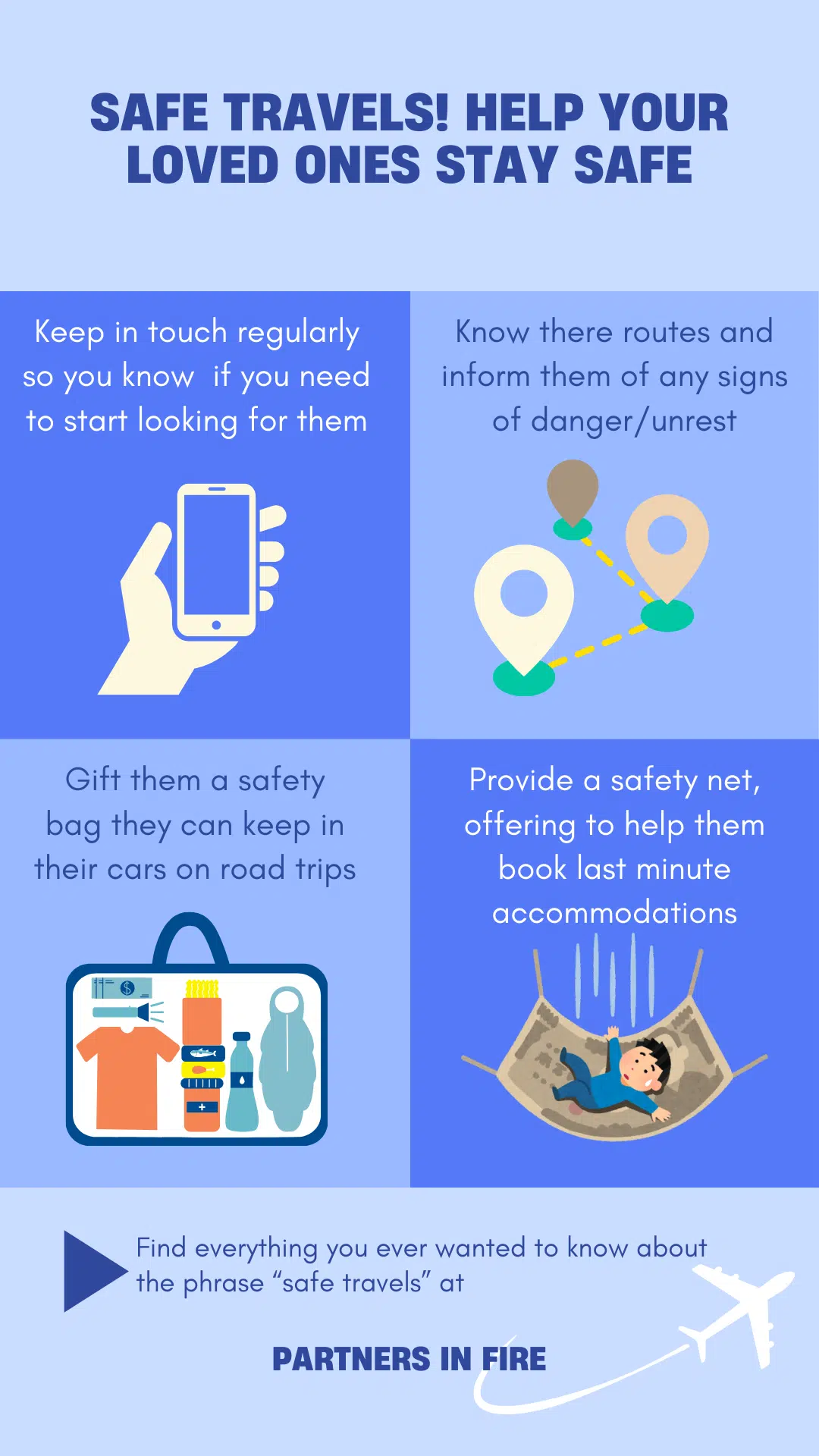
Essential Safe Travel Rituals Before You Depart
Nearly 43% of travelers experience preventable disruptions due to overlooked pre-trip preparations. Adopting safe travel rituals transforms anxiety into confidence by creating reliable systems that protect you from common journey pitfalls. These intentional protocols blend practical security measures with mindful preparedness.
In this ultimate guide, you'll discover expert-endorsed rituals organized chronologically across your travel timeline. Mastering these systems eliminates last-minute scrambling and ensures you depart with peace of mind.
This section covers:
• Critical document verification systems
• Luggage security protocols
• Home protection strategies
• Financial safeguards against fraud
• Non-negotiable health checks
• Your final pre-departure security scan
1. Passport & Visa Pre-Checks: The Foundation of Safe Travel Rituals
Verify Validity Rules Like a Pro
Thirty-three countries require six months' passport validity beyond your stay. Always check your destination's requirements through official government portals four months pre-trip. Crucially, examine blank page counts — many African nations demand two consecutive blank pages for entry stamps.
Create Unbreakable Digital Backups
Cloud-stored document copies become lifelines during theft or loss situations. Therefore, scan:
- Passport ID and endorsement pages
- Printed visas and entry letters
- Global Entry/NEXUS cards
Furthermore, share encrypted files with two trusted emergency contacts. This creates a secure document recovery system.
2. Smart Packing Protocols That Prevent Crises
Safety-Conscious Luggage Choices
TSA-approved locks deter 74% of opportunistic baggage theft according to 2026 baggage handler reports. Additionally, prioritize:
- Anti-theft slash-proof backpacks for urban destinations
- Clearly identifiable suitcase markings
- Separate jewelry/document pouches
Medication & Medical Documentation Mastery
Navigate prescription rules with precision. Consequently, pack:
- Original labeled medication containers
- Doctor-signed treatment plans on letterhead
- Local equivalent medication names list
Moreover, always carry allergy cards translated into the host country's language.
Secure Tech Packing Essentials
Cyber-attacks on travelers increased 89% from 2023-2026 based on INTERPOL data. Your non-negotiable checklist:
- VPN-enabled devices with updated security patches
- Password manager with emergency access features
- Portable data-blocking Faraday pouch
3. Pre-Trip Home Security Layers
Light Automation That Deters Intruders
Programmable smart bulbs create lived-in appearances with:
- Randomized bedroom/living room activation schedules
- Voice-controlled outdoor lighting
- Motion-activated garage floodlights
Mail Handling & Trusted Contact Protocols
Full mailboxes signal vacancy to burglars. Hence, initiate:
- USPS Hold Mail Service requests
- Newspaper delivery pauses
- Trusted neighbor key exchanges for plant watering
4. Financial Safeguards Against Travel Fraud
Strategic Multi-Payment Defense
Sophisticated payment redundancy prevents access denial. Distributing funds across:
- Primary credit card with travel protections
- Separate accounts debit card
- Prepaid currency card loaded with essentials
Fraud Alert Setup Guide
Financial institutions blocked $3.1 billion in travel fraud last year by implementing:
- Custom travel date/location notifications
- Card transaction amount caps
- 24-hour international transfer freezes
Emergency Cash Protocol Anatomy
Extract local currency pre-departure for arrival essentials. Meanwhile, conceal cash reserves in:
- RFID-blocking belt pouches
- Decoy wallet with expired cards
- Emergency fund envelopes distributed in luggage
5. Comprehensive Health Preparations
Destination-Specific Vaccination Tactics
UNICEF clinics worldwide provide last-minute yellow fever and typhoid shots during transit. Nevertheless, schedule appointments ten weeks pre-trip for full immunization efficacy.
Travel Insurance Deep-Dive Strategies
Verify your policy explicitly covers:
- Adventure activities participation
- Pandemic-related cancellations
- Emergency medical repatriation
Mental Health Considerations
Airports triggered 47% of traveler anxiety in 2025 surveys. Combat this with:
- Airport terminal maps downloaded offline
- TSA PreCheck/Global Entry acceleration
- Meditation app pre-downloads
6. Final Departure Checklist Execution
Secure Document Pouch Protocols
Transform a slash-resistant crossbody into your command center containing:
- Color-coded entry requirement folders
- Pen for instant customs form completion
- Printed emergency embassy contacts
Strategic Itinerary Sharing Blueprint
Powerful itinerary management includes:
- Flight details shared via cloud-based apps like TripIt
- Hotel confirmations visible to three emergency contacts
- Ground transportation plans with license plate sharing
Local Emergency Number Preparation
Smartphone lock screen emergency information panels now save critical seconds. Program:
- Ambulance/fire/police direct lines
- Nearest embassy address and contact
- Blood type and critical medical alerts
Having established these non-negotiable safe travel rituals before departure, you've created an impenetrable foundation. Next, we'll explore essential security protocols for maintaining safety during your journey, including airport navigation strategies, accommodation safety checks, and real-time crisis management frameworks.
Implementing Protective Rituals During Travel
While thorough preparation sets the foundation for safety, actively practicing safe travel rituals during your journey is critical. Specifically, these habits become your frontline defense in unfamiliar environments. Let’s explore key strategies to safeguard your wellbeing from departure to arrival.
Airport & Transit Security Rituals
Navigating crowded airports and transit hubs demands heightened vigilance. Furthermore, these spaces attract opportunists targeting distracted travelers. Expert-level protective rituals start the moment you step out your door.
Securing Valuables During Transport
Keep all bags within sight and physical contact. For example, position luggage between your feet while seated. Moreover, wrap straps around chair legs to deter grab-and-run theft.
Review TSA guidelines before packing to avoid security delays. Additionally, use locked compartments for essential documents. Transitioning between locations requires extra caution: Hold items close in shuttle buses and train stations.
Blending In Strategically
Tourists broadcasting their status become prime targets. Therefore, adopt subtle safe travel rituals like dressing modestly and navigating confidently. Avoid unfolding large maps publicly—use phone directions discreetly. Additionally, keep high-value accessories concealed until reaching your destination.
Situational Awareness Techniques
Cultivating environmental consciousness is among the most vital protective rituals you can practice. Specifically, scan surroundings every 60-90 seconds without appearing paranoid. Furthermore, notice exit routes and potential hazards.
Eye Contact & Personal Space
Project alertness through occasional eye contact with passersby. However, balance this by avoiding prolonged staring. In crowded spaces, maintain a small buffer zone around your body. Often, thieves test boundaries before striking.
Headphone & Phone Usage
Though tempting, wearing headphones significantly reduces awareness. Alternatively, wear only one earbud at low volume. Moreover, avoid phone fixation when walking—check directions briefly in safe spots. This safe travel ritual prevents ambush opportunities.
Digital Security Measures
Cyber threats amplify when traveling. Consequently, digital protective rituals shield sensitive data. Activate VPNs before accessing public Wi-Fi to encrypt connections. Furthermore, disable auto-connect features on devices.
Device Protection Protocols
Password-protect every gadget using biometrics where possible. Additionally, install tracking apps enabling remote data wipes. A critical safe travel ritual: Back up information daily to secure cloud storage.
Financial Transaction Safety
Use credit cards over debit for enhanced fraud protection. Immediately after transactions, check accounts via secured apps. If visiting high-risk areas, carry minimal cash in hidden pouches.
Nighttime Safety Protocols
Risk profiles shift dramatically after dark. Therefore, modify protective rituals for evening excursions. First, research neighborhoods for nighttime safety ratings. Pre-book verified taxis via apps rather than hailing randomly.
Hotel Safety Checks
Inspect lodging security features immediately upon arrival. For instance, test door locks and peephole visibility. Place a door stopper or portable alarm for added protection while sleeping. Additionally, store valuables in in-room safes after documenting contents.
Emergency Preparedness
Program local emergency numbers into your phone before leaving. Also, share your itinerary with trusted contacts. A critical safe travel ritual: Charge devices fully before nighttime outings.
Cultural Respect as Protective Practice
Respecting local customs inherently enhances safety by avoiding conflicts. Specifically, research cultural taboos regarding dress, gestures, and photography. Often, unintentional disrespect draws negative attention.
Language & Behavior Adaptation
Learn basic phrases in the local language, especially warnings and requests. Moreover, observe how residents interact in public spaces. Mimic reasonable behavioral norms to avoid standing out unnecessarily.
Local Insight Utilization
Consult hotel staff about neighborhood-specific precautions. Often, they provide real-time warnings about emerging threats. Additionally, follow location-specific safety advisories from official tourism sites.
These expert-backed rituals transform passive sightseeing into conscious, secure travel. Consequently, you significantly reduce vulnerabilities through habitual actions. Building on these in-transit strategies, Part 3 will guide you in Adapting Rituals to Destination-Specific Risks for complete protection.
Advanced Safety Customs for Frequent Travelers
Seasoned travelers understand genuine security requires going beyond basic precautions. Implementing advanced safety rituals transforms quick habits into deeply ingrained protocols that shield you from sophisticated threats. Below we reveal professional-grade safety customs that protect veteran explorers during continuous journeys.
Digital Security Reinforcement Rituals
Multi-Layered Cyber Protection Systems
Cybercriminals specifically target frequent travelers through hotel Wi-Fi and charging stations. Install these digital shields:
- Hardware VPN routers (never rely solely on software)
- Dedicated travel devices with encrypted drives
- Physical USB data blockers for public ports
Regularly refresh device firmware before trips to patch vulnerabilities quickly.
Password Management Fortification
Instead of basic password managers, use military-grade solutions:
- Generate 24-character credentials with special Unicode
- Implement biometric two-factor authentication
- Maintain offline emergency access kits
Never repeat passwords across accounts – a 2026 CISA study shows 83% of travel account breaches stem from credential recycling.
Advanced Situational Awareness Protocols
Environmental Threat Scanning Techniques
Professional travelers continuously process surroundings using the OODA Loop (Observe, Orient, Decide, Act):
- Identify all exits within 15 seconds of entering spaces
- Notice clothing colors/distinct features of nearby individuals
- Monitor ambient noise shifts indicating disturbances
Practice peripheral vision exercises to maintain 270-degree awareness consistently.
Behavioral Blending Methods
Standing out makes you a target. Master these social camouflage techniques:
- Adapt walking pace to match local rhythms
- Use region-appropriate phone/case styles
- Learn cultural greetings to avoid tourist tells
Changing your profile reduces unwanted attention significantly during extended stays.
Professional Emergency Response Systems
Localized Crisis Management Networks
Smart travelers pre-establish these critical contacts:
- Trusted embassy/consulate points for your nationality
- Verified private medical evacuation services
- Vetted security consultants in destination cities
Program these into secure satellite communication devices, not regular phones.
Covert Communication Blueprints
Create emergency signaling systems with trusted contacts:
- Daily check-in schedules with coded messages
- Prearranged financial emergency triggers
- “Dead man\'s switch\” protocols for missing contacts
Periodically test backup communication channels before critical trips.
Sustainable Safety Habit Integration
Ritual Anchoring Techniques
Transform precautions into automatic behaviors through:
- Pre-travel mental rehearsal exercises
- Post-arrival security checklists
- Downloadable ritual reminder templates
Anchor new habits to existing routines like morning coffee or shoe checks.
Continuous Threat Assessment Practices
Regularly update your safety protocols using:
- Monthly security briefings for frequent destinations
- Custom Google alerts for location-specific risks
- Post-travel incident debriefs documenting near-misses
Remember, safe travel rituals only work when systematically maintained.
The Future of Travel Security (2026 Updates)
Emerging Safety Technologies
Forward-thinking travelers now adopt:
- AI-powered risk prediction apps
- Wearable biometric distress signals
- Blockchain-verified accommodation validation systems
Test new technologies during low-risk trips first.
Climate-Adaptive Security Measures
Recent extreme weather requires:
- Grab-and-go crisis documentation kits
- Multi-season emergency shelters
- Geo-tagged meeting points for separated groups
Folding these innovations into your safe travel rituals future-proofs your security.
Ultimate Conclusion: Your Invincible Travel Shield
Ultimately, these advanced safe travel rituals form an invisible armor that protects seasoned explorers. By layering digital fortifications with environmental mastery and crisis preparation, you create comprehensive security ecosystems. Remember, consistency transforms individual actions into powerful protective patterns. Update your personal protocols quarterly and share knowledge within trusted traveler communities.
To conclude, sophisticated safe travel rituals remain the elite traveler\'s greatest defense against unpredictable journeys. Start refining your systems today – your future adventures depend on these protective frameworks. Stay vigilant, stay prepared, and travel smarter than ever before.