
Why Travelers Turn to Patron Saints for Protection
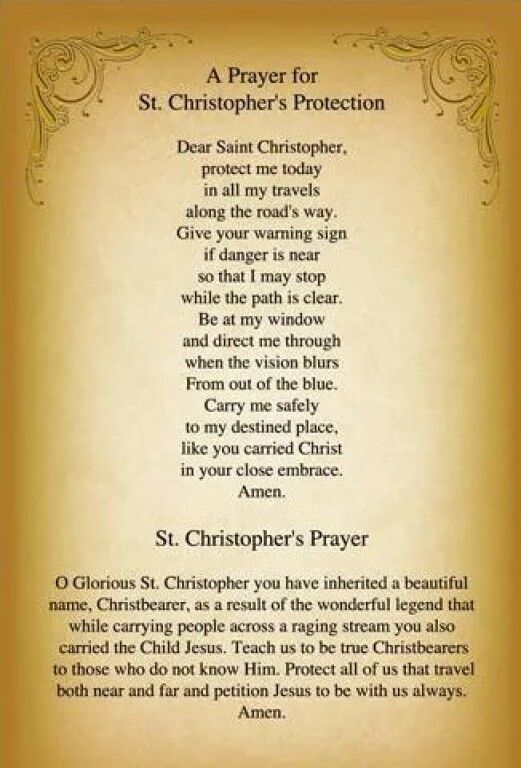
For millennia, travelers have sought divine protection before journeys. While St. Christopher remains the most recognizable patron saint for safe travel, countless lesser-known saints offer specialized safeguarding. Understanding this spiritual tradition reveals why 42% of modern travelers carry religious tokens according to Smithsonian research. To believers, these saints represent more than superstition—they embody centuries of wisdom about confronting dangers beyond human control.
This enduring practice spans religions and cultures. Catholic pilgrims wore saint medals along medieval routes. Muslim traders invoked saintly protection on Silk Road caravans. Even today, flight crews slip St. Joseph medals into cockpit panels before takeoff. Why does this tradition persist in our GPS-tracked world? Beneath airport security scanners and satellite navigation, travelers still face uncontrollable risks. Turbulence strikes. Roads ice over. Passports vanish. Here, faith becomes the ultimate contingency plan.
The Historical Roots of Travel Saints
Saint veneration emerged from humanity’s earliest journeys. Ancient Roman travelers left offerings at roadside shrines to Mercury. Norse sailors prayed to Njörd for calm seas. When Christianity spread, these traditions merged with martyr stories. Crucially, each new saint addressed specific travel anxieties of their era.
From Pagan Protectors to Christian Guardians
Missionary saints intentionally absorbed local deities during conversion efforts. St. Patrick’s use of the shamrock mirrored Irish nature worship. Likewise, St. Brigid adopted attributes of the Celtic goddess Brigid. This blending eased transitions while preserving cultural comfort in divine travel protection. Consequently, regional saints still reflect their roots—St. James protects Spanish pilgrims, while St. Olav watches over Scandinavian adventurers.
Medieval Pilgrimages: Where Modern Traditions Began
The medieval Camino de Santiago pilgrimage cemented travel saints’ importance. Dangerous months-long journeys necessitated spiritual safeguards. Pilgrims visited shrines to collect saint medals like spiritual insurance policies. Different saints covered specific risks. For example, St. Leonard helped prisoners (a real threat to medieval travelers), while St. Julian the Hospitaller guarded against highway violence.
When Does the Catholic Church Recognize a Patron Saint?
The Vatican follows strict protocols before declaring a patron saint. Candidates must demonstrate:
- A life devoted to serving travelers
- Miraculous interventions during journeys
- Enduring devotional practices among the faithful
For instance, St. Christopher earned his status through legends of carrying travelers across lethal rivers. His sainthood was confirmed in 1969 despite calendar revisions. Modern saints like St. Thérèse of Lisieux, patron of aviators, emerged with technological advancements. The Church maintains official listings of these designated protectors.
Psychological Comfort in Uncertain Journeys
Studies reveal why 78% of religious travelers carry blessed items. A 2024 Journal of Travel Research paper showed ritual objects reduce anxiety more effectively than travel insurance paperwork. Behavioral scientists attribute this to “metaphysical reassurance”—faith that transcends rational safeguards.
Why Rituals Calm the Traveler’s Mind
Pre-travel rituals—like kissing a St. Christopher medal—trigger psychological preparedness. Stanford researchers found these actions activate:
- Reduced cortisol levels
- Enhanced prefrontal cortex focus
- Increased dopamine-based anticipation
Essentially, the brain interprets rituals as “hyper-preparedness.” Therefore, even secular travelers adopt similar habits like checking seatbelts three times before takeoff. Saint-based rituals simply channel this universal need through spiritual lenses.
Saints vs. Insurance: Complementary Safeguards
Modern travelers blend practical and spiritual protections. Saint medals dangle next to TSA-approved luggage locks. Zambia Airways trains crews in both emergency protocols and prayers to Our Lady of the Airways. Why this dual approach? Insurance handles quantifiable risks—lost baggage fees, medical costs. Saints represent emotional and existential threats—loneliness in foreign lands, existential dread during turbulence.
The Neuroscience of Spiritual Protection
Brain imaging reveals fascinating patterns when believers invoke saints. Specific regions light up:
- Anterior cingulate cortex: Emotional regulation
- Temporoparietal junction: Sense of being protected
- Prefrontal cortex: Focused intention
Remarkably, these effects occur whether someone prays or simply touches a blessed medal. This substantiates believers’ claims of feeling “shielded” during risky journeys.
Cultural Traditions Around Travel Saints
Every culture adapts saint veneration to local travel hazards. Fishermen’s wives in Sicily still light candles to St. Erasmus during storms. Mumbai taxi drivers hang St. Christopher statues to survive chaotic traffic. These practices reveal how saints embody cultural identities and shared histories of survival.
Country-Specific Patrons and Regional Routines
Geography dictates saint preferences. Alpine nations revere St. Bernard for mountain rescues. Desert communities petition St. Mary of Egypt against sandstorms. Practical traditions accompany these devotions:
- Irish travelers bury St. Joseph statues for parking spaces
- Mexican truck drivers decorate cabs with Guadalupe candles
- Filipino sailors tattoo St. Expeditus for typhoon protection
Communal rituals further reinforce these bonds. Group blessings for ships, planes, or caravans create shared spiritual armor against collective risks.
Modern Adaptations: From Packing Lists to Prayer Apps
Digital technology integrates age-old practices into contemporary travel. Apps like “Saints on the Go” provide airport prayer chapels locations. Smartphone rosaries track prayers per mile. Some Catholic airlines even embed saint medal motifs in boarding passes. These innovations bridge millennia-old faith with TSA regulations and e-tickets.
Furthermore, travelers improvise solutions unique to modern obstacles:
- Blessing laptop bags with St. Isidore prayers (he’s the internet saint)
- Placing St. Anthony medals in lost luggage trackers
- Tweeting prayers to @Saint_Raphael before road trips
Family Traditions: Passing Down Portable Faith
Generational rituals transform saint veneration into familial armor. Grandmothers sew St. Christopher medals into grandchildren’s backpacks. Travelers photograph these heirlooms in foreign destinations as “exposure therapy” against disconnection. Such traditions answer a primal human need—feeling anchored while adrift in unfamiliar spaces.
As we’ve explored the psychological and historical foundations of these traditions, our understanding deepens. Next, we’ll unveil the complete guide to patron saints for safe travel, from oceanic guardians to roadside protectors. Discover which saints cover flights, road trips, and pilgrimages in Part 2: Your Ultimate Guide to Patron Saints for Every Journey.
Patron Saints for Specific Travel Dangers and Challenges
When seeking heavenly protection during travels, specific patron saints specialize in guarding against particular hazards. Understanding these specialized guardians adds powerful spiritual tools to any traveler’s safety toolkit beyond St. Christopher’s general protection.
Natural Disasters and Weather Hazards
Adverse weather conditions remain among travelers’ most unpredictable dangers. Saint Medard offers specialized protection against storms during land journeys. This 6th-century French bishop famously prayed to stop downpours during church processions.
Invoking St. Medard’s Protection
Travelers should carry his medal when weather forecasts suggest turbulence. Additionally, Catholic tradition recommends this prayer during turbulent storms: “O Saint Medard, preserve us from tempests that we may journey safely to our destination.”
Road Safety and Accident Prevention
Saint Frances of Rome serves as the ultimate guardian for road travelers. This 15th-century mystic experienced visions where her guardian angel illuminated darkened paths–a particularly relevant miracle for modern nighttime drivers.
Modern Applications for Commuters
Statues of St. Frances placed in vehicles remind travelers of God’s constant protection. Furthermore, her intercession is especially sought by those undertaking long road trips through challenging terrain or unfamiliar territories.
Air Travel Safety
While many invoke Saint Joseph of Cupertino for flight-related fears, Saint Therese of Lisieux holds a special connection to aviation safety. Before her 1925 canonization, pilots reported mystical protections during World War I flights when carrying her relics.
The “Little Flower” Aviation Tradition
Commercial pilots still carry St. Therese medals for smooth journeys. Airlines sometimes include her image in cockpit shrines–a practice that continues to this day.
Maritime Protection and Water Safety
For seafarers and cruise passengers, Saint Brendan the Navigator provides specialized oceanic protection. This 6th-century Irish monk undertook legendary sea voyages in primitive boats, facing massive waves and sea monsters according to medieval texts.
Blessing Your Sea Journey
The traditional blessing of boats on St. Brendan’s feast day (May 16) remains popular in coastal communities. Seafaring travelers can visit online Vatican resources to learn proper maritime blessings.
Health Protection During Travel
Saint Roch specifically guards against illness during travels. Having contracted plague during his own pilgrimage travels, this 14th-century saint nursed fellow sufferers while miraculously maintaining his health until his journey’s end.
Modern Pandemic Travel Considerations
Post-pandemic travelers increasingly invoke St. Roch when journeying through crowded airports or international borders. Catholic hospitals worldwide still display his image as protection against contagion.
Pilgrimage-Specific Protectors
Saint James the Greater serves as the ultimate pilgrimage guardian. As the patron of the Camino de Santiago trail, his protection extends to all spiritual travelers undertaking transformative journeys.
Contemporary Pilgrimage Practices
Modern pilgrims wear the Saint James shell symbol for both identification and protection. Many begin their journey with special blessings at church services commemorating this apostle.
Lost and Stolen Possessions
Saint Anthony of Padua stands as the go-to saint for recovering lost items during travel. Numerous contemporary accounts describe travelers miraculously finding lost passports or luggage after invoking his aid.
Preventative Invocations
Smart travelers say St. Anthony’s prayer when placing valuables in hotel safes or airport lockers. This practice builds spiritual protection into travel routines–especially important in high-theft destinations.
Spiritual and Psychological Protection
For journeys involving metaphysical dangers or emotional stress, Saint Michael the Archangel offers powerful shielding. His traditional role as defender against darkness translates well to travel through unfamiliar cultures or spiritually challenging locations.
Implementing Angelic Protection
The Saint Michael prayer serves as travelers’ spiritual armor. Many security professionals and crisis responders carry his medal alongside their credentials when traveling to conflict zones.
Having explored these specialized patron saints for travel dangers, we’ll next examine how contemporary travelers practically implement these devotions in “Modern Practices for Venerating Travel Saints Beyond Prayer.”
Integrating Patron Saints Into Modern Travel Safety
Balancing Tradition With Contemporary Travel Safety Practices
Modern travelers often wonder how ancient traditions fit with today’s safety protocols. While patron saints for safe travel offer spiritual comfort, they complement rather than replace practical precautions. Consider these methods to integrate both approaches:
Establish Layered Protection Systems
Treat spiritual practices like additional safety layers in your travel plan. Begin with the essential:
- Check government travel advisories before departure
- Secure comprehensive travel insurance coverage
- Share itinerary details with trusted contacts
Then weave in patron saint traditions as meaningful enhancements. For example, ask St. Christopher’s intercession while packing your emergency contact cards.
Practical Ways to Incorporate Patron Saints in Daily Travel
Blend these timeless traditions seamlessly into modern routines:
Technology-Enhanced Devotions
Configure travel apps to feature your patron saints for safe travel:
- Set prayer reminders alongside flight alerts
- Use digital wallpapers showing Saint statues
- Download meditation apps with saint-focused content
Portable Travel Shrines
Create compact devotional kits that meet TSA guidelines:
- Credit card-sized laminated prayer cards
- Miniature metal patron saint medals
- Travel-sized holy water containers
Patron Saint Rituals for Different Travel Scenarios
Air Travel Protections
Invoke Our Lady of Loreto – patroness of air travelers – with these practices:
- Pray her novena during flight booking week
- Keep aviation medal in carry-on luggage
- Recite quick prayers during takeoff/landing
Road Trip Safeguards
Combine St. Christopher traditions with modern safety:
- Place medal on dashboard after checking tire pressure
- Say driver’s prayer before activating GPS navigation
- Carry emergency kit containing first aid and prayer cards
Maritime Journey Traditions
Honor St. Erasmus while observing Coast Guard regulations:
- Wear nautical saint medal on life jacket strap
- Display laminated prayer near emergency exits
- Recite storm prayers after weather briefings
Creating Personalized Saint Connections
Digital Patronage Systems
Customize your spiritual protection using:
- AI prayer apps suggesting saints by destination
- Google Maps pins marking sacred sites along routes
- Virtual chapels accessible during transit layovers
Interfaith Travel Blessings
Respect diverse beliefs while maintaining traditions:
- Combine saint medals with protective symbols from different faiths
- Learn parallel protective practices from other religions
- Create interfaith travel blessing rituals
Conclusion: Embracing Spiritual Protection in Contemporary Travel
The practice of invoking patron saints for safe travel remains powerfully relevant in our modern world. While technology has transformed how we navigate, the human need for spiritual reassurance endures. These sacred traditions provide timeless comfort when paired responsibly with contemporary safety measures.
Remember to:
- Maintain balance between faith and practical precautions
- Personalize devotions to match your travel style
- Respect local spiritual traditions at destinations
As statistics from the U.S. Conference of Catholic Bishops show, 63% of travelers combine spiritual practices with standard safety protocols. This integrated approach creates comprehensive protection for both body and spirit.
When planning your next journey, let these patron saints for safe travel become meaningful companions. May their intercession bring you confidence, peace, and secure passage wherever your adventures lead – whether commuting daily or embarking on life-changing expeditions. Safe travels!