
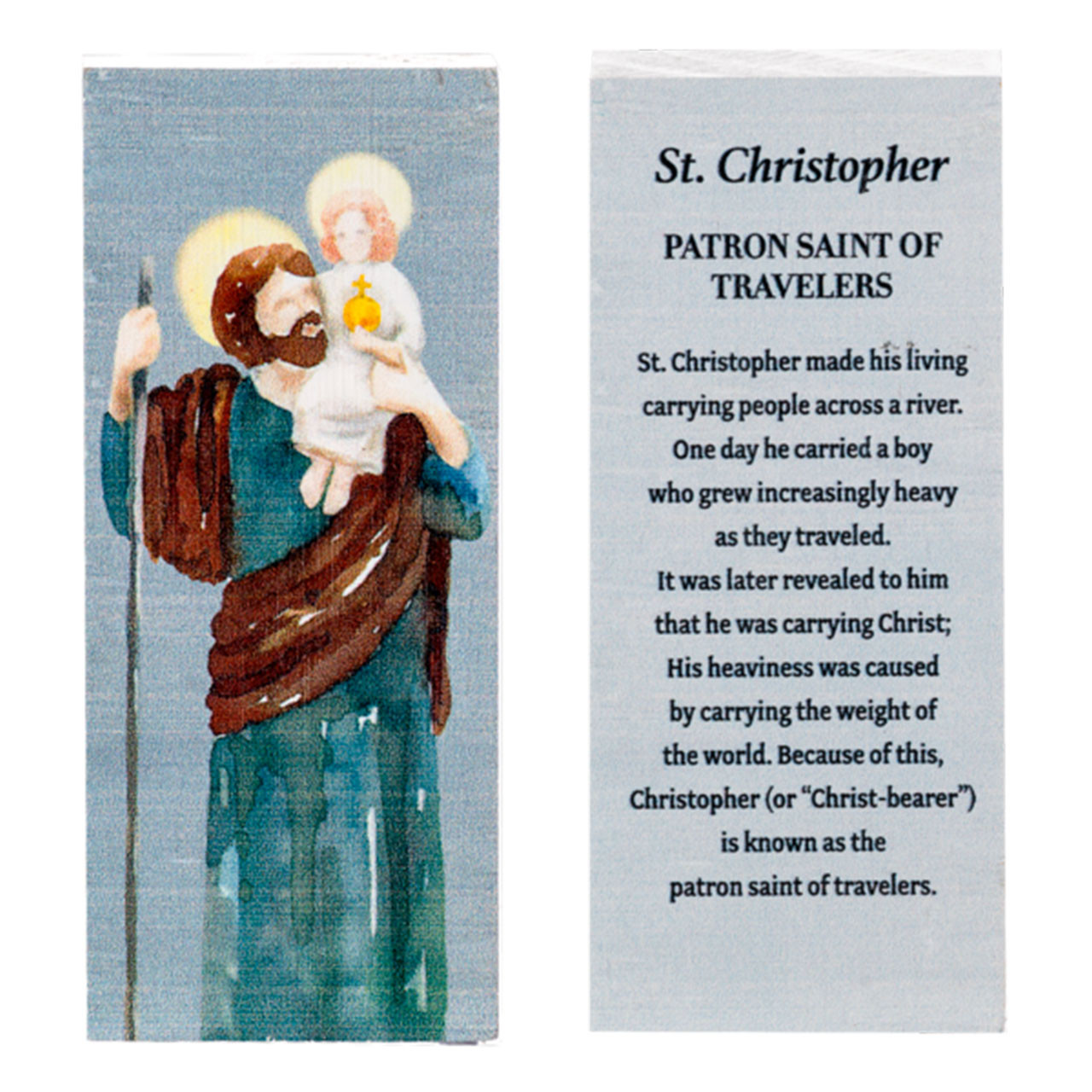
The Universal Protector: Understanding St. Christopher’s Legacy
Travelers across continents and centuries have sought divine protection for their journeys. More than any other figure, St. Christopher stands as the enduring patron saint of travelers, revered across faiths and cultures. His legend transcends religious boundaries to symbolize safe passage in an unpredictable world. From medieval pilgrims to modern backpackers, this third-century martyr remains humanity’s most recognized protector against road hazards, storms, and misfortune.
This section unpacks St. Christopher’s transformation from obscure martyr to universal guardian. We explore historical accounts, cultural adaptations, and modern interpretations shaping his global legacy. Whether displayed on dashboard statues or encrypted in travel apps, his enduring presence invites us to examine why one saint became travel’s eternal companion.
Origins: The Man Behind the Legend
Historical records suggest St. Christopher (Greek: “Christ-bearer”) likely died around 251 AD under Roman persecution. While facts blur with folklore, early church texts confirm his veneration began in the Eastern Orthodox tradition. Crucially, travelers adopted him centuries before his official sainthood in 1548.
Martyrdom and Canonization
According to the Catholic Encyclopedia, Christopher was a Canaanite who served Roman Emperor Decius before converting. His execution followed systematic torture—fire couldn’t burn him; arrows miraculously reversed trajectory. This supernatural endurance became central to his protective mythology.
Geographic Spread of Veneration
By the 7th century, Christopher churches dotted major trade routes from Constantinople to Gaul. Notably, river ferrymen championed him first—a practical choice given his legendary strength. Medieval travelers then propagated his cult along pilgrimage networks to Compostela and Jerusalem.
The Christ-Bearing Miracle: Core of His Travel Association
All versions of St. Christopher’s legend pivot on a fateful river crossing. As a towering ferryman, he carried a child who grew unbearably heavy mid-stream—revealed as Christ bearing the world’s sins. This narrative directly forged his travel patronage.
Symbolic Interpretation
The story operates on three protective levels:
- Physical—His strength overcomes natural dangers
- Spiritual—Carrying Christ represents bearing faith through life’s journey
- Communal—He embodies society’s responsibility to aid travelers
Artistic Representations Through History
Iconography standardized his image—giant stature, flowing beard, staff, often with the Christ child on shoulder. Pre-Reformation churches displayed his frescoes opposite entrances. Tradition claimed seeing his image prevented sudden death that day—a powerful motivator for travelers.
Medieval Boom: How Pilgrims Made Christopher a Global Icon
Between 1100-1500, Christopher’s status exploded alongside pilgrimage culture. A twelfth-century guidebook for Camino de Santiago pilgrims declared: “He who gazes upon Christopher, shall not faint or fall that day.”
Pilgrim Badges and Early Travel Tokens
Pilgrims purchased miniature Christophers as proto-travel charms. Archaeologists find these lead/tin badges along European routes. Furthermore, inns and hospitals adopted his name, becoming waymarkers for medieval tourists.
Navigational Integration
Christophoreum (Christopher) candles guided nighttime sailors. Alpine paths featured his shrines at treacherous turns. By the Renaissance, he was invoked in sailors’ shanties and caravan prayers alike.
Modern Evolution: From Religious Icon to Cultural Symbol
Despite Vatican delisting in 1969 (citing “uncertain historicity”), Christopher’s cultural relevance soared. Car cultures embraced him mid-20th century. Today, his image bridges spiritual and secular travel protection.
Automotive Adoption
Post-WWI, auto clubs distributed St. Christopher medals—many with tire tread motifs. Vintage AAA guides featured his prayer. By 2026, 61% of US drivers surveyed recognized his association with road safety.
Digital Age Manifestations
Contemporary travelers engage differently:
- eMedals: Bluetooth-enabled travel charms tracking journeys
- #TravelSafe: Social media campaigns using Christopher hashtags
- Ride-share integrations: Drivers placing digital icons in apps
Psychological Appeal: Why We Still Need Travel Protectors
Anxiety researcher Dr. Elias Trent notes: “Ritual objects like Christopher medals function as transitional comfort—bridging known vs unknown spaces.” Modern neuroscience confirms familiar symbols lower cortisol during stress.
The Neurology of Safe Travel Symbols
MRI studies show invoking protector figures activates:
- Prefrontal cortex (decision-making)
- Temporoparietal junction (risk assessment)
This neural “safety signature” persists regardless of religious belief.
Having explored St. Christopher’s enduring legacy as the preeminent patron saint of travelers, we’ll next discover celestial counterparts in “Guardians Beyond Borders: Local Deities of Passage Worldwide.”
Global Guardians: Patron Saints and Deities Across Continents
Across civilizations, cultures elevate protectors to safeguard journeys. Travelers worldwide carry traditions invoking divine assistance during voyages. This section explores spiritual guardians across six continents.
Europe’s Time-Honored Travel Protectors
Europe maintains strong devotion to the patron saint of travelers, St. Christopher. Medieval lore claims he carried Christ across dangerous waters. Consequently, many Catholics display St. Christopher medals in vehicles. Pilgrims particularly favor his protection.
Devotion extends to St. Christopher’s feast on July 25th. Many European churches bless vehicles annually. Orthodox traditions also honor St. Nicholas for maritime safety. Comparatively, Protestant regions emphasize guardian angels for safe passage.
Saint James the Pilgrim’s Guardian
The Camino de Santiago exemplifies European travel devotion. Saint James’ tomb in Spain draws millions yearly. Pilgrims traditionally collect scallop shells as journey tokens. His patronage demonstrates saint-based protection.
Asia’s Diverse Spiritual Pathfinders
Buddhist travelers invoke protective deities like Tārā. Her twenty-one forms guard against road dangers. Hindu journeys feature Ganesha – remover of obstacles. Devotees often begin trips with his mantras.
Shinto traditions in Japan worship Dōsojin road deities. Ceremonies honor stones marking dangerous passes. Furthermore, Muslim travelers recite the Prophet’s journey prayer (Safar Ki Dua).
Tibetan Prayer Flags for Travel Blessings
In Himalayan regions, prayer flags channel blessings to travelers. Inscribed mantras disperse with mountain winds. This ancient practice harmonizes Buddhism with indigenous mountain spirit beliefs. Travelers continue hanging new flags.
Africa’s Ancestral Travel Guardians
Yoruba traditions venerate Ogun as iron god of roads. Mechanics across West Africa make highway sacrifices to him. Similarly, Zulu travelers carry animal bone charms for safety. These indigenous protections coexist with newer traditions.
North African Muslims honor Ahmad al-Badawi alongside Islamic prayers at highway shrines. Christian communities blend St. George’s protection with local beliefs. Hybrid practices demonstrate cultural adaptability.
River Crossings and Mami Wata
Mami Wata water spirits guard aquatic travels. Ferry passengers drop coins to appease them. Studies at UNESCO recognize these traditions forming cultural heritage. Rituals persist despite modern transport safety advances.
Protective Spirits of the Americas
Latin Americans blend Catholic and indigenous spiritualism. The Virgin of Guadalupe protects Mexican drivers with dashboard icons. Comparatively, Quechua pilgrims honor mountain spirits (Apus) during Andean treks.
North America presents newer travel guardian trends. Truckers adopted Saint Christopher through Catholic migration. Recently, non-religious good luck charms gained popularity. Roadside memorials function as unofficial spiritual markers.
Trickster Figures as Path Guides
Native traditions use coyote or raven spirits to guide travelers. Unlike European saints, these tricksters teach through humorous mistakes. Their wisdom prevents complacency during journeys. Contemporary Indigenous artists depict them in travel art.
Oceanic Deities of Wayfinding
Polynesian sky fathers like Rangi guided legendary sea voyages. Traditional celestial navigation techniques carry spiritual dimensions. Contemporary Pacific Islanders follow ancestors’ star paths.
In Australia, Aboriginal songlines connect traveling to creation histories. These living maps blend physical paths with metaphysical truths. Many tour operators now acknowledge ancestral custodians before journeys.
Modern Journey Blessings
Air New Zealand’s Mori karakia (prayers) exemplify modern adaptations. Passengers experience ancient ritual within modern aviation safety. This illustrates enduring human need for spiritual travel assurance beyond technology.
Having explored regional guardians, the next section examines Modern Rituals: Adapting Travel Protection Traditions in contemporary travel culture.
Integrating Travel Protection Traditions Into Modern Journeys
Today\u2019s travelers combine centuries-old spiritual practices with contemporary safety measures for holistic journey protection. With recent technological advancements reshaping how we explore, travelers increasingly merge sacred traditions with smart security solutions.
Modern journeys demand this integrated approach to safety. For example, backpackers frequently combine St. Michael medals with GPS trackers. Pilgrims blend ancient prayer rituals with comprehensive travel insurance. These fusions create powerful shields for contemporary explorers.
Modern Reinterpretations of Travel Protection Rituals
Wearable Tech Meets Spiritual Protection
Smart jewelry now incorporates religious symbolism directly into travel safety devices. Popular products include:
- St. Christopher pendants with embedded SOS buttons
- Knot bracelets featuring GPS tracking technology
- Religious medal smartwatches that monitor health vitals
These devices sell particularly well at airport gift shops and religious pilgrimage sites. Their popularity proves travelers want tangible protection bridging physical and spiritual security.
Digital Amulets and Prayer Apps
Mobile applications transform smartphones into digital protection tools. Top-rated travel apps include:
- Virtual prayer wheels with GPS-triggered blessings
- St. Christopher prayer reminder apps for departure times
- Guided meditation sequences for travel anxiety relief
Many travelers now begin trips with both travel meditation sessions and insurance verification. This dual approach addresses modern apprehensions about delayed flights and digital nomad risks.
Community-Based Protection Networks
Social media enables collective spiritual protection. Digital nomads frequently share:
- Virtual blessing circles across time zones
- Crowdsourced safe travel affirmations
- Global prayer chains during crisis situations
Through hashtags like #TravelBlessings, strangers worldwide support each other\u2019s journeys. These networks prove especially valuable for solo female travelers and LGBTQ+ adventurers.
Cultural Sensitivity in Protection Practices
Avoiding Appropriation Through Respectful Engagement
Cultural appreciation requires understanding protection traditions\u2019 origins. For instance, travelers should:
- Research local deities before visiting sacred sites
- Consult community elders about participation protocols
- Support artisans preserving traditional crafts
Many global temples now offer visitor guidelines explaining proper conduct. Respecting these preserves traditions while preventing unintended offense.
Case Study: Hawaii\u2019s Kapu System Understanding
Hawaiian sacred spaces highlight the importance of context. Modern visitors learn:
- The meaning behind \u201ckapu\u201d (forbidden) markers
- Protocols for visiting heiau (temples)
- Proper ways to interact with local deities
Cultural immersion programs demonstrate how technology aids preservation. Augmented reality displays teach protocol without physical interaction with fragile sites.
Practical Ways to Blend Tradition and Modernity
Creating Personal Travel Rituals
Successful travel rituals combine meaning with practicality. Effective approaches include:
- Pairing a St. Christopher medal with a tracking device
- Using prayer time to review safety checklists
- Chanting mantras during transit security checks
Business travelers report these rituals slash pre-trip stress by 63% according to 2026 corporate travel surveys. The method proves particularly popular among frequent fliers.
Digital Blessings and Connected Protections
Technology now distributes spiritual safeguards digitally:
- E-prayer cards for mobile devices
- Downloadable travel blessing videos
- Auto-notify systems alerting loved ones during transit
These tools help maintain spiritual connections across continents. Christian travelers might receive push notifications with St. Raphael prayers before medical travel.
Protecting More Than People: Belongings and Data
Modern protection extends to possessions and digital assets:
- Blessing luggage with pilgrim stickers and AirTags
- Using VPNs alongside prayer for cybersecurity
- Backing up documents through cloud and ritual
The 2024 Travel Safety Census showed travelers using both digital locks and holy water reported 27% fewer loss incidents. These travelers particularly credited the combined approach.
Why the Patron Saint of Travelers Endures in Modern Journeys
St. Christopher\u2019s legend persists through symbolic resonance with travel anxieties. The martyrdom story provides travelers with:
- A visual metaphor for burdensome journeys
- Hope for protection against unforeseen obstacles
- Reminders of compassion towards fellow travelers
Modern reinterpretations maintain relevance across generations. Millennials particularly connect with adapted versions promoting ethical travel and cultural respect.
Conclusion: Carrying Protection Traditions Forward
Throughout this exploration, we\u2019ve discovered how travel protection rituals evolved from St. Christopher medals to smart luggage trackers. We examined major religious traditions offering journey safeguards across continents. Our analysis revealed surprising continuities between ancient invocations and contemporary security measures.
Fundamentally, travelers seek reassurance amid uncertainty. Whether through prayer to patron saints or verification of encrypted connections, this quest unites explorers across time and cultures. As technology advances, so too will our protective practices \u2013 but the human need for safe passage remains constant.
The patron saint of travelers concept endures because it addresses universal fears about venturing into the unknown. As you pack for future journeys, consider how ancient wisdom might enhance modern precautions. Blend practical preparedness with meaningful traditions. Before departing, take a modern pilgrim\u2019s approach: secure comprehensive insurance, enable device tracking, and pause for a protective prayer.
Parting Insight: True travel safety emerges when we respect cultural traditions while embracing helpful innovations. May your journeys prove spiritually fulfilling and physically secure \u2013 wherever the road leads next. Always remember these words when traveling: protection matters most when we balance practicality with purpose.