
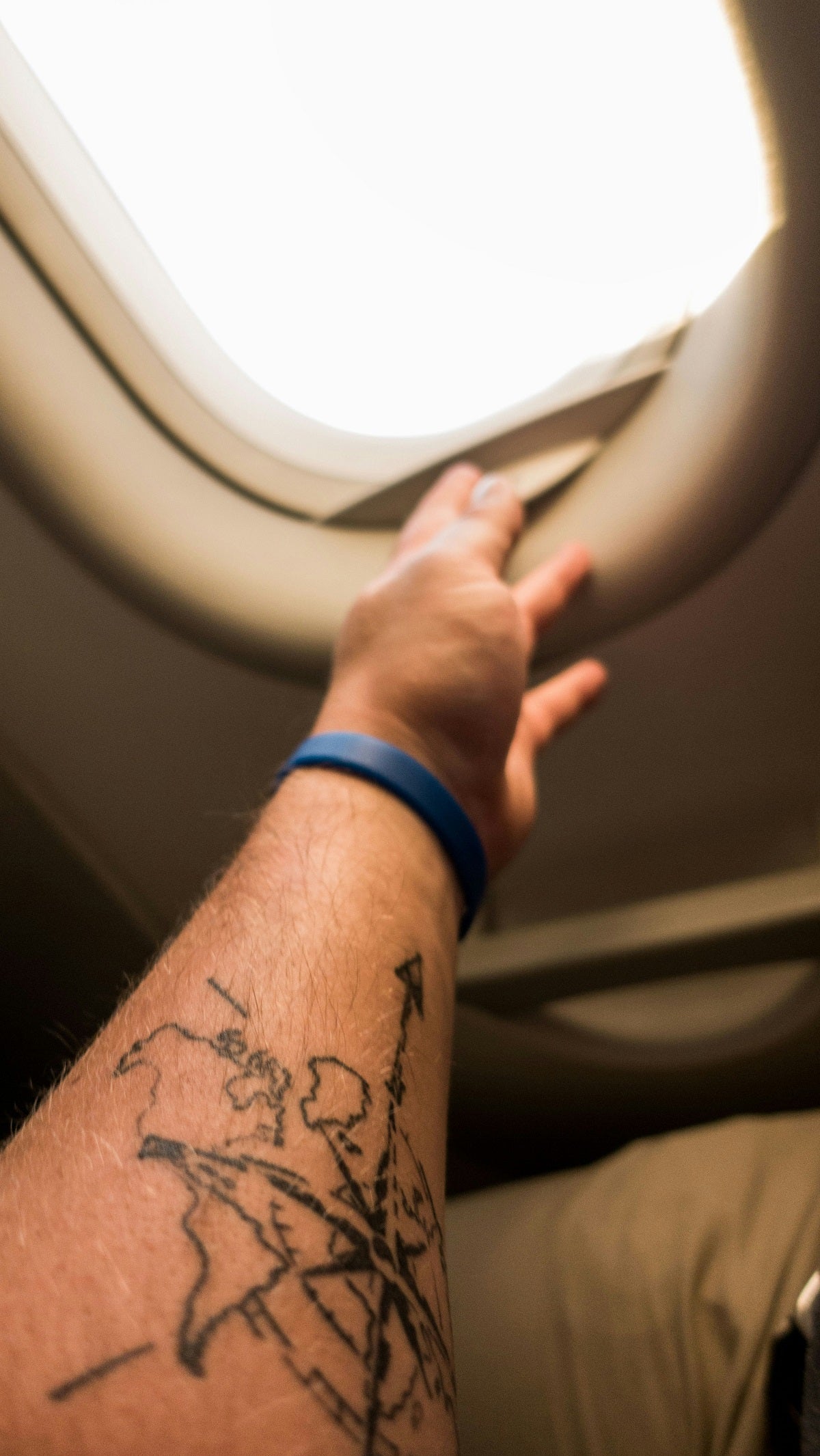
Congratulations on your new ink! Few experiences match the excitement of leaving the tattoo studio with fresh artwork. However, the reality of flying with a fresh tattoo introduces unique challenges. Air travel exposes healing skin to bacteria, pressurized cabins, and unpredictable irritants — raising infection risks during this critical healing phase. This vulnerability peaks 24–72 hours post-inking when plasma and ink weep. Yet situations sometimes demand immediate travel. Contrary to popular belief, flying with new tattoos isn’t impossible with proper protection. In this guide, you’ll discover medically backed steps to seal your tattoo against airborne threats while complying with TSA rules. We’ll begin with pre-flight defenses crucial for avoiding inflammation, fading, and permanent damage.
Essential Pre-Flight Tattoo Protection Strategies
Artist Consultation Timeline: The 48-Hour Sweet Spot
Schedule a dedicated consultation 48–72 hours before your flight. Discuss these key points:
- Healing Stage Status: Ask if weeping/scabbing will peak mid-flight
- Redness or Swelling Concerns: Get professional assessment of infection risks
Additionally, request written aftercare instructions. Many airlines accept these as medical documentation if questioned about lotions or wraps. Crucially, verify whether your artist uses a second-skin adhesive bandage. These oxygen-permeable membranes become problematic at altitude due to potential bubbling.
FAA-Approved Wrap Recommendations
Opt for non-petroleum-based products like Saniderm Tattoo Bandages if wrapping is advised. Alternatively, use sterile gauze secured with hypoallergenic paper tape. Avoid plastic wraps — they trap bacteria-friendly moisture.
Altitude-Adjusted Moisturizing Protocol
The dry, recirculated airplane air desiccates healing tattoos rapidly. Implement this cabin-pressure-optimized routine:
- 5 Hours Pre-Flight: Wash gently with antibacterial soap (Aveeno Skin Relief recommended)
- 2 Hours Pre-Flight: Apply thin layer of fragrance-free moisturizer (Cerave Healing Ointment)
- Boarding Time: Pat excess moisture away with sterile gauze
Avoid over-moisturizing. Thick ointment layers breed bacteria. Reapply every 4–5 hours mid-flight using single-use applicators.
Humidity Rescue for Long-Haul Flights
Therapeutic saline sprays like H2Ocean prevent scab cracking during 8+ hour flights. Their balanced PH mimics natural skin chemistry. Store the 1.7oz TSA-compliant bottle in your seatback pocket.
Protective Wrapping: High-Altitude Barriers
Non-adherent dressings become your tattoo’s pressure shield. Apply them using this technique:
- Step 1: Cleanse skin with mild soap
- Step 2: Apply moisturizer per artist instructions
- Step 3: Cover with sterile non-stick pad like Telfa
- Step 4: Secure edges with tender tape (it resists pressurization shifts)
Avoid tight wrapping. Numbness indicates reduced blood flow — immediately loosen it. Remove garments compressing the tattoo; tight waistbands on hip tattoos are notorious inflight irritants.
Anti-Inflammatory & Hydration Schedule
Medication timing prevents swelling:
- Ibuprofen: Take 400mg 1 hour before boarding (avoid aspirin — increases bleeding)
- Antihistamines: Use non-drowsy formulas pre-flight if prone to allergic reactions
Hydrate aggressively — pressurization doubles dehydration rates. The Aerospace Medical Association notes cognitive function drops 20% at cabin humidity levels. Therefore, drink 8oz water hourly. Avoid alcohol and caffeine.
Essential Supplements for Cellular Recovery
Zinc and Vitamin C supplements support healing under stress. Start them 3 days pre-flight. Research indicates oral zinc may accelerate epithelial closure by 43%.
TSA Documentation Essentials
The Transportation Security Administration allows medically necessary liquids over 3.4oz with credible documentation. Prepare a TSA compliance kit including:
- Dated artist letterhead stating medical necessity of aftercare products
- Printed TSA Disability Notification Card (download here)
- Individual 3.4oz bottles (stock larger medically approved sizes in checked baggage)
Enhanced Screening Protocol
Fresh tattoos may trigger explosives trace detectors. Request a hand inspection to avoid abrasive swab contact. Present your documents immediately upon entering security lines.
Flight Survival Kit Essentials
Your Travel Aftercare Kit should contain these TSA-compliant items:
- Sanitizing Gear: Alcohol-free disinfectant wipes (Purell® Advanced pocket packs)
- Moisture Control: Travel-size Cerave moisturizer and hydrating saline spray
- Infection Defense: Single-use antibiotic ointment packets (avoid bulk tubes)
- Barrier Protection: Sterile gloves (3 pairs) and non-stick bandages
- Discomfort Relief: Portable ice packs (FAA-approved gel types)
Store everything in a clear quart-sized bag with your artist’s letter on top for visible verification.
These pre-flight safeguards make flying with a fresh tattoo dramatically safer. With protective wraps, precise moisturizing, and TSA-compliant documentation, you’ve established crucial infection barriers. Next, we’ll explore in-flight care protocols in Part 2: In-Flight Tattoo Protection & Comfort Tactics. You’ll discover seat selection strategies, pressure-relief exercises, and cabin-specific aftercare techniques.
Successfully flying with a fresh tattoo demands meticulous preparation throughout your travel journey. Furthermore, understanding how to protect your new ink while navigating airports and flights prevents complications.
Understanding the Healing Timeline Before Boarding
A fresh tattoo undergoes critical healing stages during the first week. Specifically, planning air travel around these biological milestones minimizes infection risks.
The 72-Hour Vulnerability Window
Most artists recommend avoiding long flights within three days of getting tattooed. During this period, your skin remains an open wound vulnerable to pathogens.
Scabbing and Peeling Phases
Flights during days 4-7 pose fewer risks but still require vigilance. Transition words however: cabin pressure changes can intensify discomfort when scabs form.
Scheduling Your Flight Strategically
When flying with a fresh tattoo, timing impacts safety. Opting for optimal flight arrangements significantly reduces healing interference.
Ideal Days Post-Tattoo for Flying
Travel after day 5 if possible. By this stage, initial inflammation subsides and weeping decreases. Furthermore, skin begins sealing against contaminants.
Non-Negotiable Red Flag Timeframes
Never schedule flights within 48 hours of tattoo completion. At this stage, plasma leakage and raw skin amplify infection chances in crowded airports.
Pre-Flight Preparation Essentials
Packing specialized supplies becomes non-negotiable when flying with fresh ink. Creating a dedicated tattoo-care kit ensures you're equipped for any scenario.
Must-Pack Aftercare Items
Carry travel-sized fragrance-free moisturizer, antibacterial soap, and breathable bandages. Additionally, pack prescription ointments if provided by your artist.
TSA Compliance for Liquids and Ointments
Remember the 3-1-1 rule for carry-ons. Use 3oz containers placed in one quart-sized clear bag. For medically necessary oversize items, declare them with TSA documentation.
Inflight Tattoo Care Protocol
Maintaining proper hygiene during your flight protects healing skin. Simple proactive measures prevent airborne bacteria or surface contamination.
Sanitizing Your Seating Area
Wipe tray tables and armrests with alcohol wipes immediately upon boarding. Airplane surfaces harbor microbes that could infect unhealed tattoos.
Positioning and Pressure Management
Avoid direct contact between tattooed skin and seat fabrics. Place a clean cotton shirt between your body and surfaces if clothing coverage isn't possible.
Managing Connecting Flights and Layovers
Multi-leg trips demand extra precautions when traveling with fresh ink. Advanced planning maintains aftercare consistency during long journeys.
Restocking Supplies Mid-Journey
Research airport pharmacy locations during layovers. Transition words: ensure you can replenish essentials like sterile water for cleaning.
Finding Hygiene Stations in Terminals
Identify airport nursing rooms or medical facilities in advance. These spaces allow discreet tattoo cleaning away from crowded restrooms.
Post-Flight Immediate Care Steps
Upon landing, prioritize your tattoo's needs before other travel logistics. Especially after long flights, immediate attention reverses environmental stressors.
First-Hour Decontamination Process
Clean your tattoo promptly after disembarking using bottled water if necessary. Reapply a thin layer of moisturizer to combat airplane dryness.
Monitoring Early Warning Signs
Watch for increased redness, swelling, or weeping during your first post-flight hours. These could indicate early infection needing professional attention.
Strategies for International Travel
Overseas journeys with fresh tattoos require additional safeguards. Navigating diverse climates and extended travel times complicates healing.
Climate Adaptations for New Ink
Research your destination's humidity levels and pollution index. Pack appropriate protections like UV sleeves for sunny locations or breathable coverings for humid regions.
Time Zone Shifts and Aftercare Schedules
Adjust balm application timings using world clocks on your phone. Consistent aftercare intervals prevent overdrying or product buildup during transcontinental flights.
By thoughtfully implementing these itinerary strategies when flying with a fresh tattoo, you'll significantly reduce health risks. Next, explore Part 3: Infection Spotting and Emergency Care Protocols to complete your travel safety framework.
Advanced In-Flight & Post-Travel Protection Tactics
Optimizing Your Flight Experience When Flying With a Fresh Tattoo
Flying with a fresh tattoo requires proactive protection from airport security to baggage claim. First, strategically select clothing: breathable cotton sleeves or a tattoo protection sleeve prevent direct contact with airplane surfaces. Second, prioritize seat selection:
Strategic Seat Selection
- Window seats reduce traffic contact
- Aisle seats facilitate bathroom access
- Exit rows offer crucial stretching space
Hydration & Pressure Management
Airplane cabins average 10-20% humidity levels (IATA 2026 data) – a dehydration hazard for healing skin. Remember these tactics:
- Drink 500ml water hourly
- Apply silicone-based moisture barrier
- Use travel pillows to avoid abrasion points
Post-Landing Critical Care Protocol
Your first 24 hours post-flight determine healing trajectory. Immediately upon landing:
Emergency Decontamination Steps
- Wash hands with antibacterial soap
- Gently cleanse tattoo with pH-balanced wipe
- Apply antimicrobial ointment within 90 minutes
Smart Luggage Handling
Never hoist bags over healing areas. Request wheelchair assistance if carrying heavy items. Use these muscle-saving techniques:
- Wheeled luggage only
- Distribute weight evenly
- Use hotel bell services aggressively
Destination Climate Adaptation Strategies
Sudden environmental shifts jeopardize fresh ink. Combat these threats with expert methods:
Humidity & Temperature Transitions
- Carry portable hygrometer to monitor conditions
- Pack cooling gel packs for tropical climates
- Use portable humidifiers in arid destinations
Sun Exposure Prevention
UV radiation penetrates airplane windows at 33,000 feet. Apply these safeguards:
- Physical barriers over chemical sunscreens
- UPF 50+ clothing with ventilation
- UV-blocking window shades when possible
Emergency Response Framework
Recognizing complications early prevents hospitalization. Note these warning signs when flying with fresh tattoo:
Infection Red Flags
- Throbbing pain increasing after landing
- Yellow/green discharge with odor
- Fever over 100.4°F (38°C)
Allergic Reaction Protocol
Contact medical professionals immediately if experiencing:
- Hives beyond tattoo borders
- Swelling compromising movement
- Respiratory difficulties mid-flight
Long-Term Healing Preservation
Your tattoo journey continues weeks post-flight. Maintain peak aftercare with specialized gear:
Travel-Safe Aftercare Supplies
- TSA-compliant 3oz moisturizer tubes
- Single-use sterile dressing packs
- Portable distilled water sprayers
Conclusion: The Last Word on Flying With Fresh Tattoo
Ultimately, flying with a fresh tattoo demands military-grade planning. From pressurized cabins to foreign microbes, you’ve now mastered advanced combat tactics against infection risks. Remember: proactive protection beats reactive damage control every time. Consult your tattoo artist before departure, pack like a field medic, and monitor hourly. Your vibrant travel memories and permanent body art deserve perfection. Safe skies and smooth healing ahead!