
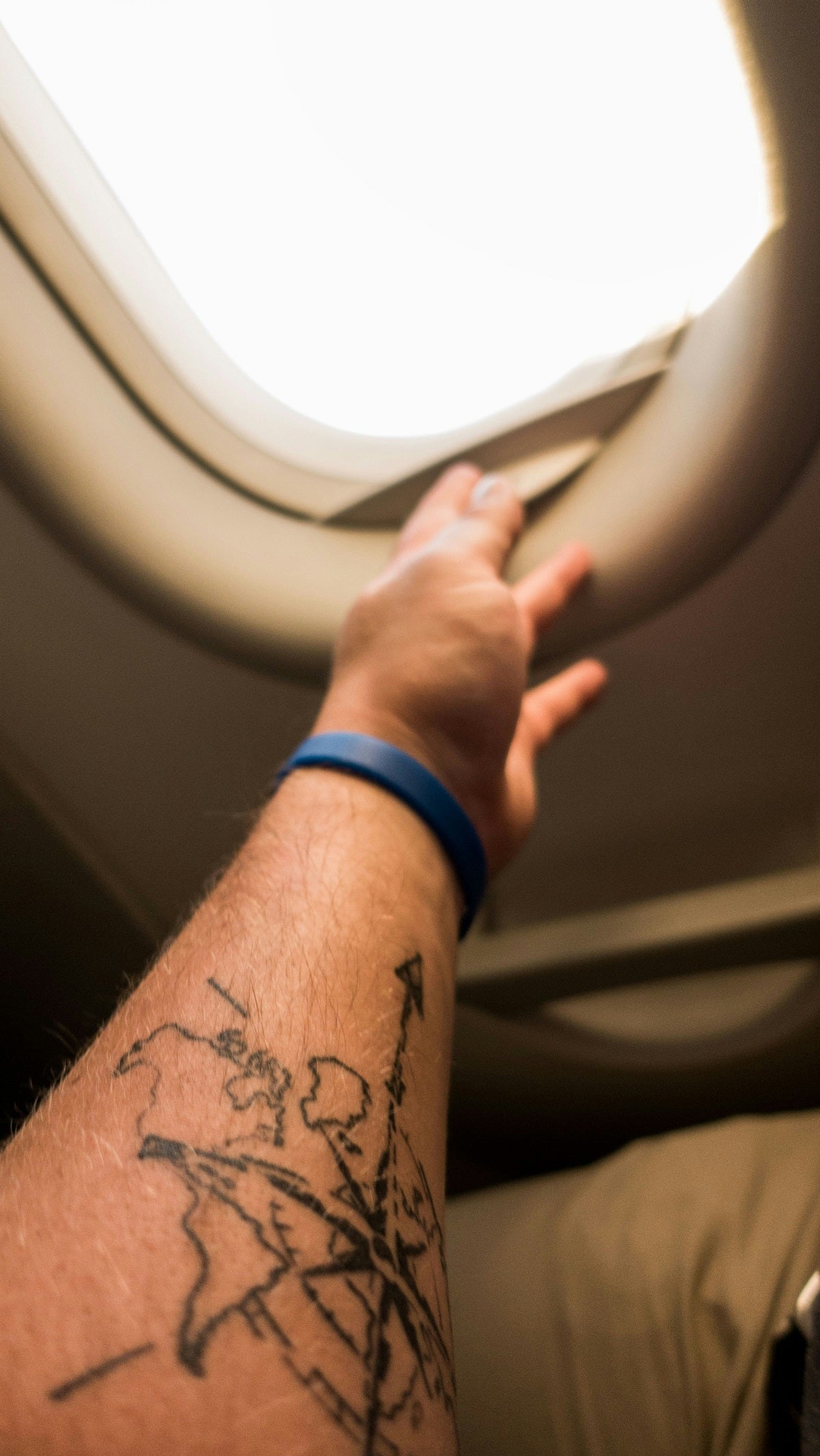
Planning air travel immediately after getting inked? Flying with a fresh tattoo requires specialized preparation to ensure your new body art heals beautifully. Cabin pressure changes, fluctuating temperatures, and prolonged sitting can worsen swelling or cause unexpected complications if you don’t prioritize aftercare. In fact, improper tattoo care during flights significantly increases risks of infection, ink loss, and prolonged healing times. This makes pre-flight preparation absolutely essential.
More importantly, fresh tattoos remain open wounds vulnerable to airborne bacteria, friction from clothing, and dehydration. Therefore, strategic planning directly impacts both your comfort mid-flight and your tattoo’s long-term appearance. In this comprehensive guide, we’ll walk you through every critical step to safeguard your ink while navigating air travel.
Essential Pre-Flight Preparation for Tattoo Aftercare
Moisturize and Protect
Fresh tattoos need consistent moisture to heal properly. Dryness during flights can lead to cracking, scabbing, and even infection. Applying the right products before takeoff creates a protective barrier against cabin air.
Choose Recommended Tattoo-Specific Products
Always use fragrance-free, hypoallergenic moisturizers approved by your artist. Avoid petroleum-based products like Vaseline, which can suffocate the tattoo and trap bacteria. Instead, opt for water-based lotions or specialized tattoo aftercare balms containing natural ingredients like shea butter or coconut oil.
Avoid Sun Exposure and Harsh Elements
UV rays penetrate airplane windows and can fade fresh ink. Apply a thin layer of fragrance-free mineral sunscreen (SPF 50+) if your tattoo will be near a window seat. If possible, cover the tattoo with clothing instead of relying solely on sunscreen during flight.
Timing Your Final Pre-Flight Application
Moisturize thoroughly 1-2 hours before arriving at the airport. This allows enough time for absorption while keeping the area hydrated. Never apply products immediately before boarding, as excess residue can transfer onto surfaces.
Dress for Comfort and Protection
Your clothing choices directly impact irritation levels and healing speed. Tight fabrics, seams, and synthetic materials can grind against sensitive skin during long flights.
Opt for Loose, Breathable Fabrics
Choose oversized cotton clothing that doesn’t rub against the tattooed area. If your tattoo is on your leg, wear loose joggers instead of skinny jeans. For arm tattoos, a loose long-sleeve shirt offers protection without friction.
Special Considerations for Seated Positions
If your tattoo is on your lower back, calves, or ankles, adjust your seating position to minimize contact. Use a neck pillow to prevent leaning directly against back tattoos. Bring a clean scarf to drape over seatbelt straps near sensitive areas.
Pack Smart, Pack Safe
Never check your aftercare essentials. Cabin baggage ensures immediate access to critical supplies if flights get delayed or luggage goes missing.
Build Your TSA-Compliant Aftercare Kit
- Travel-sized moisturizer (under 3.4 oz/100ml)
- Hypoallergenic cleansing wipes for mid-flight cleaning
- Disposable gloves for sterile application
- Non-stick gauze pads for abrasion-prone areas
- Portable phone charger to access aftercare instructions
Hygiene First: Sanitization Essentials
Airplanes harbor germs on tray tables and seatbacks. Pack alcohol-free sanitizing wipes to clean surfaces before touching your tattoo. Always wash or sanitize hands thoroughly before reapplying products.
TSA Considerations and Documentation
Security checks require foresight to avoid damaging fresh ink. The TSA’s medical exceptions policy allows larger liquid medications, but tattoo aftercare products typically don’t qualify.
Managing Liquid Restrictions
Transfer necessary moisturizers into TSA-approved containers. Keep all liquids in a clear quart-sized bag for easy inspection. Print your artist’s aftercare instructions to justify medically necessary items if questioned.
Communicating with Security Personnel
Inform TSA agents about your fresh tattoo before screening begins. Avoid metal detectors if your artist used petroleum-based products containing metallic compounds. Opt for pat-downs to prevent scanner false positives.
By implementing these pre-flight strategies, you create optimal conditions for tattoo healing at 30,000 feet. Next, we’ll explore how to manage swelling and bumps during your flight with real-time aftercare techniques.
In-Flight Strategies to Manage Tattoo Swelling
Traveling with a fresh tattoo demands proactive care strategies, especially when managing swelling at altitude. Specifically, cabin pressure changes can increase fluid retention around healing skin while restricted movement limits circulation. Furthermore, dry air accelerates moisture loss from wounds. Consequently, precise countermeasures become essential when flying with artistic skin investments.
Pre-Flight Swelling Prevention Protocols
Smart pre-boarding actions significantly reduce in-flight complications. Firstly, refrain from alcohol for 24 hours before departure since it dilates blood vessels, promoting inflammation. Similarly, avoid salty foods that trigger water retention.
Elevation Preparation Techniques
Practice strategic positioning two hours pre-boarding. For instance, keep your tattoo elevated above heart level during airport transit. Consequently, this reduces initial swelling before atmospheric changes compound it.
Moreover, apply cooling methods if permitted by your artist’s aftercare instructions. Gel packs approved by TSA can temporarily soothe irritation when sealed properly. Just ensure no direct skin contact occurs to prevent thermal damage.
Optimal Airplane Attire for Healing Skin
Choosing flight clothing for flying with a fresh tattoo requires deliberate fabric selection. Specifically, loose cotton garments prevent friction while allowing airflow. Tight synthetics trap heat and irritate sensitive areas.
Strategic Layering Systems
Implement moisture-wicking base layers beneath breathable overshirts for temperature regulation. This dual approach maintains airflow while absorbing perspiration—a key culprit for unexpected ink irritation during long flights.
Additionally, carry sterile non-stick gauze if clothing might adhere to weeping areas. Meanwhile, avoid denim or rough textiles entirely, as their abrasive surfaces can disturb fragile scabs forming mid-flight.
Altitude Hydration: Beyond Standard Water Intake
Cabin humidity levels plummet to 10-20%, severely dehydrating healing skin. First, consume 8 ounces of water hourly during flight time. Furthermore, apply specialized moisturizers every 90 minutes—choose fragrance-free, hypoallergenic options like those recommended by dermatologists.
Humidity Preservation Tactics
Place a dampened sterile cloth in your seatback pocket near air vents. As a result, localized humidity rises, slowing transepidermal water loss from the tattoo. Similarly, direct overhead airflow away from your inked area using seat controls.
Consider electrolyte supplements too. For example, oral rehydration salts combat fluid imbalances more effectively than plain water during extended travel sessions involving pressurization cycles.
Inflight Mobility for Circulation Enforcement
Sedentary positions during flights with new tattoos risk dangerous fluid buildup. Set timers to stand every 45 minutes unless turbulence prohibits movement. Pace aisles briefly while flexing tattooed limbs systematically.
Seated Micro-Circulation Exercises
Perform ankle rotations and calf pumps while buckled in. These actions activate muscle pumps that return blood toward your heart. Importantly, avoid crossing legs since restricted blood flow exacerbates lower body swelling.
For upper body tattoos, shoulder shrugs and wrist bends maintain vasomotor responses. Simultaneously, ensure no exercise compromises jewelry or clothing’s contact with healing zones.
Addressing Mid-Flight Tattoo Complications
Despite precautions, unexpected reactions can occur while flying with fresh ink. Immediately notify crew members if you experience rapid swelling, pus discharge, or radiating pain—potential signs requiring professional evaluation.
Emergency Supply Utilization
Pack a sterile first aid kit with hydrocortisone cream for surprise allergic reactions and saline spray for wound cleansing. Additionally, antihistamines like certified medications counteract sudden inflammation spikes safely at altitude.
In contrast, avoid aspirin-based pain relievers—their blood-thinning properties heighten bruising risks in confined spaces. Instead, acetaminophen offers safer analgesic effects without coagulation impacts.
Mastering these in-flight strategies ensures your tattoo heals beautifully despite aviation’s environmental challenges. Next, we'll explore post-flight recovery protocols in “Landing Safely: Aftercare Rituals Post-Flight” to maintain your ink's vibrancy after touchdown.
Post-Flight Recovery and Troubleshooting Swelling
Navigating air travel with new ink requires careful post-flight attention. Understanding proper aftercare ensures your tattoo heals beautifully despite altitude changes and cabin pressure. This final section equips you with recovery strategies and troubleshooting solutions when flying with a fresh tattoo.
Immediate Post-Flight Care Steps
Begin your recovery protocol within 2 hours after landing. Acting quickly minimizes swelling risks caused by flying with a fresh tattoo.
The 3-Step Cleaning Process
Follow this sequence with sterile supplies you packed in your carry-on:
- Step 1: Wash hands thoroughly before touching tattoo
- Step 2: Clean area with fragrance-free antibacterial soap using palm-only pressure
- Step 3: Pat dry with sterile gauze in one-directional motions
Never use airplane restroom paper towels on fresh ink. Their fibrous texture can irritate swollen skin.
Troubleshooting Persistent Swelling After Flying
While moderate inflammation is normal, these techniques address prolonged swelling from flying with a fresh tattoo.
The Elevation Solution
Position yourself for 20-minute intervals:
- Sleep with tattoo elevated above heart level
- Use airline neck pillows as elevation aids during layovers
- Avoid dangling limbs while seated post-flight
Cold Therapy Methods
Apply cooling safely with these travel-friendly techniques:
- Chilled water bottles wrapped in clean fabric
- Hotel ice machines’ cubes in sealed plastic bags (NEVER direct application)
- Cool showers (avoid high-pressure jets)
Pro Tip: Never use ice packs from hotel minibars directly on new tattoos. The extreme cold hinders healing.
Recognizing Complications Requiring Professional Care
While flying with a fresh tattoo typically causes temporary swelling, watch for these warning signs:
Infection Indicators
Seek medical help immediately if you observe:
- Thick yellow/green discharge
- Red streaks radiating from tattoo
- Fever above 100.4°F (38°C)
- Pulsating pain worsening after 48 hours
Allergic Reaction Symptoms
Contact your tattoo artist and dermatologist if experiencing:
- Hives beyond tattoo borders
- Blisters filled with clear fluid
- Intense itching resistant to approved creams
For severe reactions during travel, visit urgent care facilities or consult CDC travel health resources for local treatment options.
Long-Term Healing Strategies
Protect your investment beyond initial swelling with these key practices:
Moisturizing Protocol
Maintain optimal healing with this schedule:
- Days 1-3: Thin layer of recommended ointment every 4 hours
- Days 4-14: Switch to fragrance-free lotion 3x daily
- Weeks 2-4: Hydrate once daily as scabbing resolves
Sun Protection Measures
New tattoos require vigilant UV defense:
- Use physical barriers (clothing, wraps) for first 4 weeks
- After month one, apply mineral sunscreen SPF 50+
- Reapply every 2 hours during daytime flights
Conclusion: Smart Flying with Fresh Ink
Ultimately, successful flying with a fresh tattoo combines preparation, in-flight care, and disciplined aftercare. Remember three key points: clean gently during travel days, elevate whenever possible, and monitor swelling patterns diligently. While most altitude-related inflammation resolves within 72 hours, persistent issues warrant professional evaluation.
To conclude, thousands fly safely with new tattoos annually when following these evidence-based practices. Now that you understand the full journey – from pre-flight preparation through post-landing recovery – you can confidently travel while protecting your body art investment. Remember, when flying with a fresh tattoo, your vigilance ensures a lifetime of beautiful ink memories from every destination.