
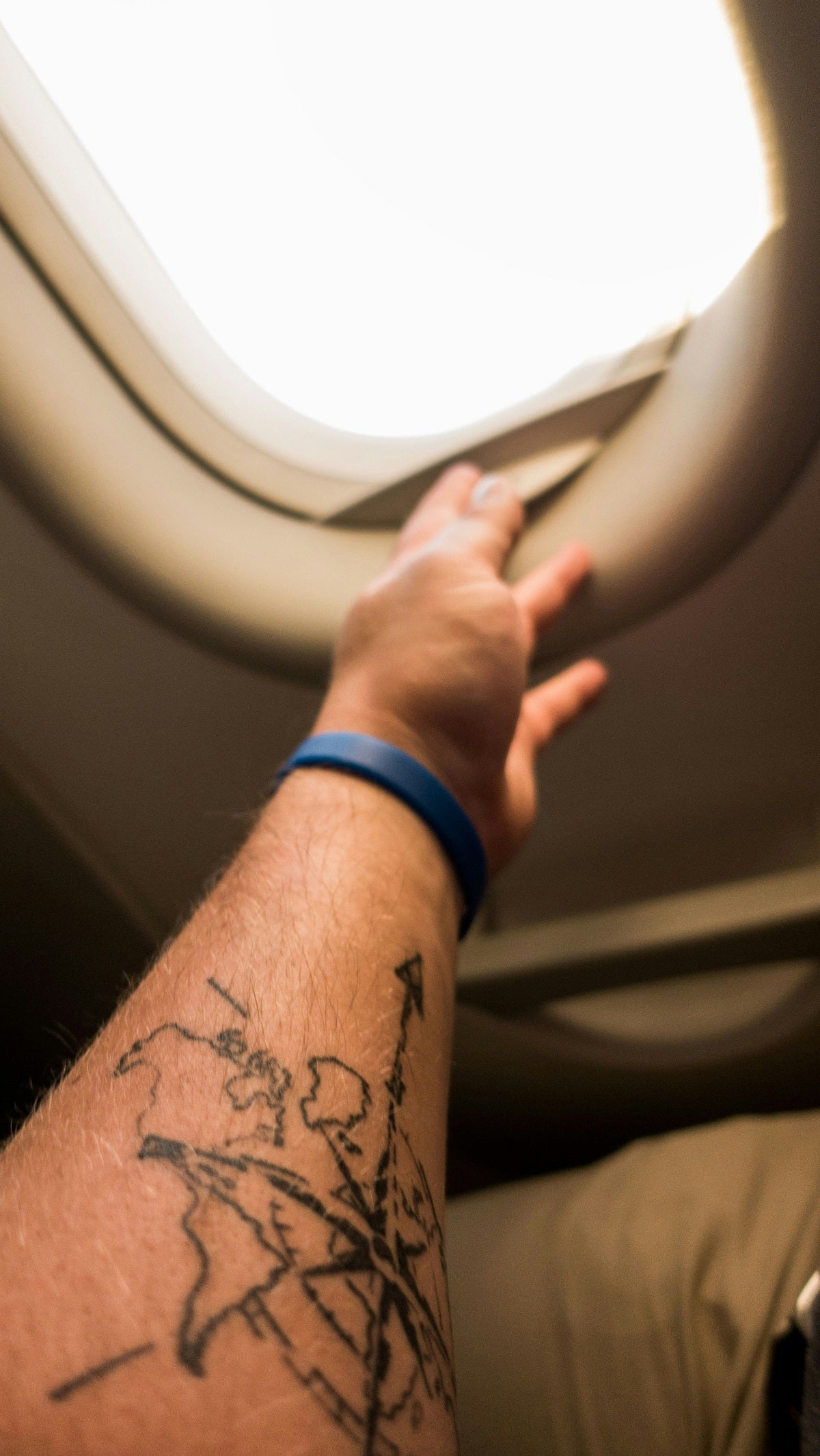
Just got inked and need to catch a flight? Flying with a fresh tattoo demands strategic aftercare to protect your new art—and your health—at 30,000 feet. Air travel introduces unique challenges for healing tattoos, from pressurized cabins to germy surfaces. This guide delivers expert-backed strategies to minimize risks while maximizing comfort on your journey. Whether you’re headed home from a tattoo vacation or embarking on business travel days after your session, proper preparation is non-negotiable. Let’s navigate this high-altitude aftercare challenge together.
Understanding Fresh Tattoo Risks During Air Travel
Why Your New Tattoo Demands Special Attention in Flight
Airplanes create a uniquely hostile environment for healing tattoos. Fresh ink requires a sterile, moisturized environment—conditions commercial flights actively work against. Understanding these risks helps you create effective countermeasures during travel.
The Infection Equation
Airplanes transport thousands of passengers weekly, leaving behind bacteria on surfaces. Furthermore, recycled cabin air increases exposure risks. A fresh tattoo is essentially an open wound vulnerable to:
- Antibiotic-resistant Staphylococcus (MRSA) from uncleaned tray tables
- Fungal contamination from restroom door handles
- Viral exposure in tight seating quarters
Pressurization Problems
Cabin pressure changes mimic being at 6,000-8,000 feet elevation. This atmospheric shift causes physiological responses:
- Swelling increases as blood circulation alters
- Plasma and ink may weep from the tattoo site
- Discomfort escalates during ascent/descent
Dry Air Dilemmas: Cabin Humidity Crisis
Commercial aircraft maintain 10-20% humidity levels—comparable to desert conditions. This extreme dryness actively hinders proper tattoo healing:
Moisture Stripping Effect
Low humidity accelerates moisture evaporation from your skin. Consequently, tattooed areas become stiff and uncomfortable. Such dehydration causes:
- Delayed scabbing and peeling phases
- Increased cracking and flaking
- Potential color loss in affected areas
The Centers for Disease Control and Prevention confirm dry environments extend wound recovery timelines by up to 40%.
Seated Compression Concerns
Airplane seats create unavoidable pressure points against healing tattoos. Specific risks include:
Circulation Compromise
Extended sitting slows blood flow to compressed areas. This stagnation:
- Reduces oxygen delivery to healing tissue
- Slows lymphatic drainage of excess fluids
- Intensifies post-tattoo swelling
Clothing Friction Factors
Clothes constantly rubbing against seats can:
- Disrupt forming scabs prematurely
- Transfer fabric fibers into the wound
- Spread bacteria through repeated contact
Immunity Impact at Altitude
Flying temporarily suppresses immune function. Research shows air travel:
- Reduces white blood cell effectiveness
- Triggers inflammatory responses
- Decreases antibody production
Therefore, your body’s ability to fight potential tattoo infections dips significantly while airborne.
Sanitation Shortcomings in Flight
Despite cleaning protocols, studies detect harmful pathogens on:
- 61% of tray tables
- 75% of seatbelt buckles
- 84% of lavatory door handles
When traveling with fresh ink, every surface becomes a potential contamination point. The compact environment makes avoiding contact exceptionally challenging.
Now that we’ve detailed flying with a fresh tattoo risks, let’s equip you with practically solutions. Next, we’ll unpack essential items for your carry-on through “Tattoo Travel Toolkit: In-Flight Medical Kit Must-Haves”.
Essential Packing List for Tattoo Aftercare on Flights
Flying with a fresh tattoo requires specialized preparation to protect your investment and comfort. Furthermore, airplane cabins present unique challenges due to pressurization and limited movement. This section provides a professional-grade packing strategy explicitly designed for air travel during tattoo healing.
Sterile Barrier Protection Essentials
Airtight containment prevents bacterial exposure throughout your journey. Specifically, modern tattoo films create an essential moisture barrier during flights. Transparent medical-grade dressings like Tegaderm allow easy visual monitoring without removal.
Waterproof Bandage Options
Carry extra adhesive wraps that exceed your expected travel duration. Most importantly, choose products that won't lift during security pat-downs. Hospital-grade hydrocolloid dressings simultaneously absorb plasma while blocking pathogens in confined aircraft spaces.
Emergency Sanitization Supplies
Pack single-use disinfectant wipes approved for skin contact. Contrastingly, avoid alcohol-based solutions that cause airborne irritation. The TSA permits limited liquid antibacterial sprays in carry-ons when properly bagged for international tattoo aftercare.
Moisturizing Solutions for Cabin Air
Pressurized airplane cabins accelerate moisture evaporation from healing tattoos. Consequently, reapplication schedules intensify during flights. Below you'll find aviation-compliant solutions for maintaining critical hydration levels.
TSA-Approved Moisturizers
Pre-measured 3.4oz bottles prevent confiscation at security checkpoints. Additionally, fragrance-free formulas minimize skin reactions during extended confinement. Consider silicone-based gels that create oxygen-permeable barriers ideal for flying with fresh tattoos.
Single-Application Hydration Packets
Disposable ointment sachets eliminate contamination risks when restocking mid-flight. Particularly during long-haul trips, these provide precise dosage control without liquid restrictions. Check expiration dates before packing sterile single-use options.
Comfort Management Systems
Turbulence and cramped seating threaten fresh tattoo integrity through friction. Therefore, implement strategic padding solutions before boarding. Compression sleeves deserve special consideration for limb tattoos during air travel disruptions.
Pressure-Relief Cushioning
Medical-grade foam protectors create safe buffer zones between seats and tattoos. Compared to standard pillows, contoured designs accommodate movement restrictions. Remember that flight attendants can assist with positional adjustments when handling fresh body art.
Temperature Regulation Tools
Portable cooling packs help counteract tattoo inflammation during cabin temperature fluctuations. Crucially, use FDA-approved reusable gel packs that remain compliant when partially frozen. Always wrap thermal devices in breathable barriers to prevent condensation buildup.
Aviation-Specific Clothing Considerations
Smart fabric choices significantly reduce in-flight irritation risks for fresh tattoos. More importantly, they streamline security screening when traveling internationally with healing body art.
Loose-Fit Layering Systems
Choose seamless bamboo-blend fabrics that minimize friction against healing skin. Additionally, zip-front designs enable easy tattoo inspection without garment removal. For back/shoulder tattoos, specialized bras with rear fastener access provide practical alternatives.
Compression Garment Strategies
Medical compression sleeves prevent swelling during extended immobility at cruising altitude. However, verify proper sizing to avoid restricting blood circulation. TSA screening procedures specifically allow compression wear through security checkpoints when medically justified like tattoo aftercare.
Documentation Requirements
Unusual liquid volumes may require verification when flying with fresh tattoo supplies. Subsequently, prepare supporting materials to expedite security encounters.
Medical Authorization Letters
Your tattoo artist can provide dated aftercare instructions on studio letterhead. Particularly for international flights, translated versions help overcome language barriers. Keep digital and physical copies accessible throughout your airport transit.
Prescription Verification
For specialized creams like antibiotic ointments, carry original labeled containers. Similarly, maintain all purchase receipts for oversized medical liquids. This prevents potential confiscation of essential tattoo recovery products mid-journey.
Next, we'll explore optimal execution strategies for In-Flight Tattoo Care Procedures during various flight durations and conditions. This critical section demonstrates emergency response protocols specifically for airborne healing complications.
Advanced Tips for Long Flights and Unexpected Situations When Flying with a Fresh Tattoo
Flying with a fresh tattoo requires extra vigilance during long-haul journeys. Strategic preparation helps you avoid complications while keeping your new ink protected. First, let’s explore how to optimize your pre-flight planning.
Preparing for Long-Haul Flights With Fresh Ink
Long flights intensify the challenges of traveling with a healing tattoo. These proactive steps create optimal healing conditions at 30,000 feet:
1. Artist Consultation Before Departure
Schedule a pre-travel checkup with your tattoo artist. They’ll assess healing progress and recommend adjustments based on your itinerary. For international flights, consult them at least 72 hours before departure.
2. Strategic Seat Selection Methods
Always choose an aisle seat near restrooms when flying with a fresh tattoo. This positioning:
- Allows frequent cleaning access
- Minimizes contact with surfaces
- Creates space for discreet aftercare
Use seat maps like ExpertFlyer to secure ideal seats in advance. Avoid emergency exit rows due to potential armrest pressure on fresh ink.
3. Smart Clothing Strategies
Pack breathable, oversized clothing in your carry-on:
- 100% cotton button-down shirts
- Loose linen pants with elastic waists
- Zip-front hoodies (climate control)
Layer clothing to handle temperature fluctuations while keeping tattoo areas ventilated. Compression sleeves offer protection for arm tattoos without restricting blood flow.
Handling In-Flight Challenges
Maintain your healing process despite confined airplane conditions with these air-tested techniques.
Pressure and Swelling Solutions
Combat cabin pressure changes with targeted methods:
- Apply cold compresses during ascent/descent
- Take NSAIDs 1 hour before takeoff
- Perform hourly ankle rotations and leg lifts
For facial or neck tattoos, chew gum during altitude changes to relieve pressure. Stay hydrated with electrolyte tablets in your water bottle.
Mid-Flight Aftercare Protocol
Execute discreet cleaning during long flights:
- Wash hands thoroughly in restroom
- Apply pH-balanced wipe to tattoo
- Pat dry with single-use paper towel
- Apply rice-grain amount of aftercare product
Complete this routine every 4-6 hours. Time sessions with meal services for minimal attention.
Sleeping Positions That Protect Ink
Optimize rest without compromising your tattoo:
- Back tattoos: Recline seat at 45° angle
- Arm tattoos: Use neck pillow as arm cradle
- Leg tattoos: Elevate feet on under-seat bag
For international flights, request bulkhead seats for extra legroom if available. Avoid direct contact with airplane blankets using your own clean cover.
Managing Unexpected Situations When Flying with New Tattoos
Travel disruptions test even seasoned travelers. These contingency plans keep your tattoo safe during unforeseen circumstances.
Delayed/Canceled Flight Protocol
Handle extended airport time with this action plan:
- Locate airport medical facilities immediately
- Use baby-changing stations for private cleaning
- Purchase distilled water from concessions
- Apply extra product layer before reboarding
Keep your artist’s contact info accessible for remote guidance. Many tattoo professionals offer text support for traveling clients.
Medical Emergency Response Plan
Recognize urgent symptoms requiring intervention:
- Sudden thick yellow discharge
- Visible red streaks radiating from tattoo
- Fever exceeding 100.4°F (38°C)
Show your fresh tattoo to flight crew for emergency medical coordination. Airlines carry basic first-aid kits meeting TSA medical item guidelines. International travelers should carry antibiotic ointment with prescription documentation.
Post-Flight Tattoo Recovery Protocol
Transition smoothly from plane to final destination with this recovery checklist:
- Shower immediately upon arrival
- Perform gentle antibacterial wash
- Apply cooling aloe vera gel
- Monitor for pressure-related irregularities
Resume normal aftercare routines after 24-hour travel recovery period. Note any prolonged swelling or tenderness lasting beyond 72 hours post-flight.
Conclusion: Mastering Air Travel With Fresh Tattoos
Flying with a fresh tattoo demands specialized preparation but remains completely achievable. By implementing these advanced strategies for long flights and unexpected situations, you protect both your new ink and travel investment. Ultimately, successful journeys hinge on three pillars: proactive planning, meticulous in-flight care, and adaptable contingency measures. Remember to always prioritize your tattoo’s healing needs while enjoying your adventure. Share your own tips for flying with body art in the comments below! Before boarding, consult your tattoo artist for personalized guidance matching your unique itinerary and skin type.