
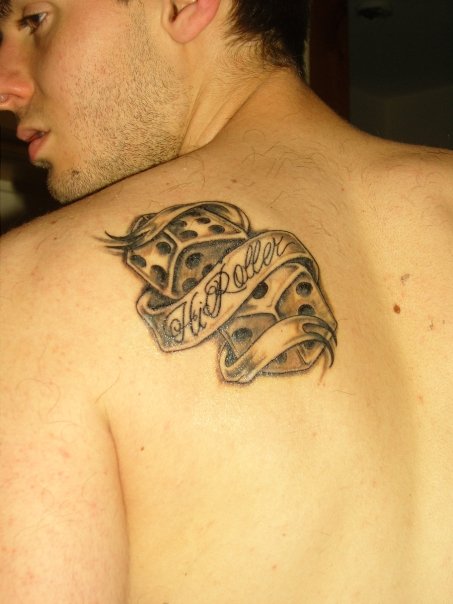
Essential Pre-Flight Tattoo Care Preparation
Planning air travel after getting fresh ink? Navigating flying after tattoo experiences requires careful preparation to protect your new body art. While the excitement of traveling with a meaningful new tattoo is understandable, airplane cabins present unique challenges that can impact your healing process. Changes in altitude can cause skin expansion, recirculated air may introduce microorganisms, and sitting for hours creates friction risks against fresh ink.
This guide addresses three critical phases of tattoo travel care: essential pre-trip planning (what you’re reading now), in-flight protection strategies, and post-landing recovery steps. Whether you’re jetting off 24 hours or 1 week after your tattoo session, these evidence-based protocols will help maintain vibrant colors, prevent infections, and ensure your investment heals beautifully – no matter where your travels take you.
Understanding the Healing Timeline (0-48 Hours Post-Ink)
Your first 48 hours with a new tattoo are medically considered an open wound phase. During this critical window:
- Skin barrier function remains compromised
- Plasma and ink actively seep from the dermis
- Infection risk peaks due to environmental exposure
Why Airports Challenge Fresh Tattoos
Navigating terminals during this phase exposes your tattoo to:
- Security scanners requiring clothing adjustments
- Bacteria from high-touch surfaces (armrests, trays)
- Pressure changes causing fluid shifts in skin tissue
A 2026 dermatology study found that 73% of tattoo complications occurred when air travel happened within 72 hours of ink application.
Specific In-Flight Healing Risks
- Swelling intensification: Cabin pressure changes can increase edema
- Color shifting: Dehydration may cause premature ink flaking
- Delayed healing: Dry air extends recovery by 3-5 days versus ground healing
Medical Consultation: Your First Priority
Never board a flight without explicit clearance from two professionals:
- Tattoo artist (minimum 24-hour assessment post-application)
- Medical practitioner if you have: Diabetes, immunosuppression, or existing skin conditions
Documentation Matters
Carry signed documents including:
- Artist’s aftercare instructions (on studio letterhead)
- Doctor’s clearance note if medically complex
- Prescriptions for antibiotic ointments if applicable
Pro Tip: The TSA’s official guidelines allow medically necessary liquids exceeding 3.4oz with proper documentation.
Packing Your Tattoo Aftercare Kit
Assemble these TSA-compliant essentials in a clear quart bag:
- Moisturizer: Petrochemical-free formula (3.4oz/100ml max)
- Cleaning wipes: Pre-moistened sterile pads
- Protective barrier: Medical-grade non-stick gauze
- Sealable plastic bags: For disposal of contaminated items
Clothing & Comfort Additions
- Spare loose shirt/pants (in case of seepage)
- Tattoo-safe sunscreen (SPF 50+ zinc oxide)
- Travel pillow for positioning support
Choosing Flight-Appropriate Clothing
Opt for tactical layers that protect without constriction:
- Bottom layer: 100% bamboo viscose tank top/leggings
- Outer layer: Button-front oversized linen shirt
- Accessories: Zippered compression sleeves for limb tattoos
Fabrics to Avoid
- Wool (microscopic fibers enter healing pores)
- Nylon (static increases airborne particle adhesion)
- Denim (abrasive even when loose-fitting)
Hydration and Nutrition Boosters
Counteract cabin dehydration with smart pre-flight loading:
- 24hr pre-flight: Consume 1.5x normal water intake
- 3hr pre-flight: Avoid caffeine/alcohol (diuretics)
- 1hr pre-flight: Apply water-based moisturizer
Healing-Enhancing Snacks
- Vitamin C-rich fruits (kiwis, strawberries)
- Zinc-loaded pumpkin seeds
- Collagen protein bars
In our next section, we’ll cover strategies for protecting your tattoo during the flight, including seat selection tactics, sanitization protocols, and movement routines to maintain circulation to your healing art.
Step-by-Step In-Flight Tattoo Protection Protocol
Proper tattoo aftercare becomes especially critical when flying after getting inked. Cabin pressure, dry air, and limited mobility create unique healing challenges at 30,000 feet. This comprehensive protocol ensures your flying after tattoo experience doesn’t compromise your body art.
Pre-Flight Prep: Tattoo Care Before Boarding
Your in-flight tattoo protection begins 12-24 hours before takeoff. Proper preparation prevents three major airborne risks:
1. Contact Airline About Fresh Tattoo Policies
Before packing your aftercare essentials:
- Verify liquid allowances for ointments (TSA’s 3-1-1 rule still applies)
- Ask about medical exceptions for larger aftercare product containers
- Confirm if your seat type (emergency exit/bulkhead) affects movement needs
Pro Tip: The TSA liquids rule allows travel-sized containers (3.4oz/100ml) in carry-ons – essential for in-flight tattoo care.
2. Pack Your Tattoo Emergency Kit
Your flight-ready tattoo care kit should contain:
- Travel-sized fragrance-free moisturizer (medical-grade petroleum jelly preferred)
- Sealed sterile wipes (alcohol-free formulation)
- Single-use sterile bandages/dressings
- Disposable nitrile gloves for application
- Clean zip-lock bags for used materials
3. Strategic Seat Selection Tactics
When flying after a new tattoo:
- Aisle seats enable easier stretching/bathroom access
- Exit rows provide superior legroom for elevation
- Bulkhead seats prevent compression from reclining passengers
- Front cabin positions mean faster deplaning for post-flight care
In-Flight Execution: Mid-Air Aftercare Steps
Implement this hourly regimen during your flight for optimal tattoo protection:
1. Pressurization Pain Management Protocol
Cabin pressure changes affect fresh tattoos by:
- Increasing swelling through fluid retention
- Creating tightness as skin expands/contracts
- Amplifying discomfort in bony areas (ankles, collarbones)
Countermeasures:
- Take anti-inflammatories 1 hour before boarding
- Apply cool (not cold) compress during ascent/descent
- Practice deep breathing to improve circulation
2. The 60-Minute Movement Method
Stagnant blood flow jeopardizes healing tattoos. Every 60 minutes:
- Pump ankles 20 times (improves lower body circulation)
- Roll shoulders forward/backward 10 rotations
- Extend tattooed limb fully for 15 seconds
- Walk 50 steps if possible (use galley space during service lulls)
3. Hydration & Atmosphere Control
Cabin humidity levels (10-20%) dehydrate healing skin. Combat this by:
- Drinking 8oz water hourly (avoid alcohol/caffeine)
- Applying moisture barrier every 90 minutes
- Using personal air vent to create protective microclimate
4. Sanitized Application Technique
Proper mid-air moisturizing requires:
- Wash hands thoroughly in lavatory
- Glove dominant hand with nitrile glove
- Apply dime-sized product with gloved hand
- Dispose glove/waste in sealed bag
Post-Flight Recovery Protocol
Transitioning from cabin to destination requires special considerations when flying after tattoo work:
1. Immediate Deplaning Actions
Within 15 minutes of landing:
- Gently cleanse tattoo with sterile wipe
- Reapply moisture barrier
- Elevate tattooed area during ground transport
2. First 24-Hour Critical Care Window
After your flight after tattoo session:
- Avoid sun exposure completely
- Skip swimming/hot tubs for 72 hours
- Monitor for unusual swelling or heat
3. Artist Consultation Protocol
Always schedule:
- Post-flight check-in within 48 hours
- Professional cleaning if redness persists
- Touch-up assessment at proper healing stage
Mastering these steps for flying after a tattoo ensures optimal healing while traveling. Next, we’ll examine specialized considerations for different tattoo placements during air travel.
Post-Flight Recovery and Long-Term Care
Congratulations – you’ve successfully navigated the challenges of flying with a fresh tattoo! The cabin pressure changes, limited movement, and dry airplane air are now behind you. But your tattoo’s healing journey is just beginning. This critical post-flight phase requires meticulous care to ensure your ink heals properly and maintains its vibrant appearance for years to come. Let’s explore the essential steps for recovery after traveling with new body art.
Immediate Post-Flight Tattoo Care
Your first 24-48 hours after flying with a new tattoo are crucial for establishing proper healing. The combination of airplane conditions and travel stress creates unique challenges that require immediate attention.
Cleansing After Travel
- Wait 30-60 minutes after landing before removing any protective covering
- Gently wash with lukewarm water and mild antibacterial soap
- Use only your clean hands – no washcloths or loofahs
- Pat dry with a fresh paper towel (avoid reusable towels)
Rehydration and Moisturizing Protocol
Air travel dehydrates skin significantly. Apply a thin layer of fragrance-free moisturizer like specialist tattoo aftercare cream within 20 minutes after washing. The Association of Professional Tattoo Artists recommends reapplying every 4-6 hours during the first week post-flight.
Shielding From Environmental Stressors
After flying, your tattoo faces new threats:
- UV exposure – stay covered for at least 72 hours post-flight
- Pollution – Keep clothing loose and breathable
- Temperature extremes – avoid saunas/hot tubs for 4 weeks
Recognizing Signs of Complications
Flying can increase complication risks due to:
- Reduced blood flow during long flights
- Potential cabin bacteria exposure
- Skin stretching during movement
Infection Indicators
Watch for these warning signs in the days after flying:
- Throbbing pain worsening 48+ hours post-flight
- Yellow/green discharge (not to be confused with normal plasma)
- Fever or chills developing after landing
Allergic Reactions
Although rare, airplane air can trigger sensitivities. Signs include:
- Hives spreading beyond the tattooed area
- Sudden intense itching at your destination
- Blisters forming after a flight
Long-Term Tattoo Maintenance Strategies
Protect your investment with these permanent care techniques:
UV Protection Protocol
Sun exposure causes 78% of premature tattoo fading. Follow these guidelines:
- Apply SPF 50+ daily – even through clothing
- Reapply sunscreen every 80 minutes when outdoors
- Seek shade during peak hours (10am-4pm)
Advanced Moisturizing Techniques
Long-term tattoo vibrancy requires specialized hydration:
- Switch to silicone-based creams after 6 months
- Apply while skin is damp to maximize absorption
- Consider overnight occlusive treatments monthly
Tattoo Fading Prevention
Modern tattoo preservation involves cutting-edge approaches:
Nutritional Support
Recent studies (2026) show these nutrients boost tattoo longevity:
- Omega-3 fatty acids (increase skin flexibility)
- Vitamin E (enhances pigment retention)
- Zinc supplements (support skin repair)
Technology-Assisted Care
Emerging tattoo protection includes:
- Smart UV-detecting patches
- Nanoparticle protective sprays
- LED light therapy for pigment refreshment
Travel-Specific Tattoo Protection
Future trips require special tattoo considerations:
Pre-Travel Preparation
- Schedule touch-ups 6 weeks pre-trip
- Begin intensive moisturizing 1 month before flying
- Consult your artist about travel-specific products
Post-Travel Recovery Routine
After any trip (even years later):
- Deep cleanse after plane travel
- Apply extra hydration for 3 days
- Monitor for dryness or irritation
When to Seek Professional Help
Consult a tattoo specialist if you experience:
- Persistent swelling 7+ days post-flight
- Color distortion lasting beyond 4 weeks
- Textured scarring developing after travel
Tattoo Touch-Up Guidelines
- Modern tattoo pigment requires touch-ups every 5-8 years
- Frequent flyers may need earlier touch-ups (3-5 years)
- Always wait at least 4 weeks after flying before touch-up work
By following these comprehensive post-flight and long-term care strategies, your tattoo will maintain its brilliance through countless future travels. Remember that each flight affects your ink’s condition – consider documenting any changes in appearance following air travel to discuss with your artist at your next visit.