
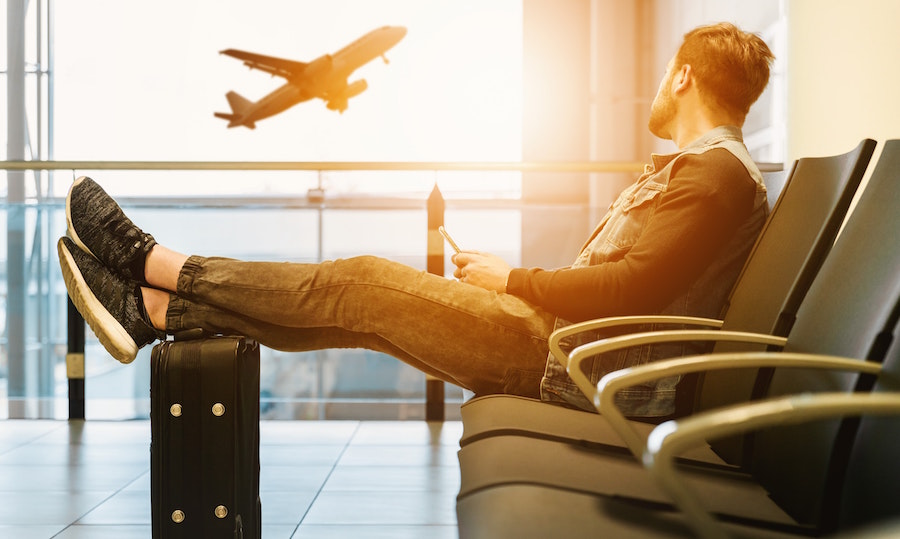
You just got fresh ink and have an upcoming trip planned. While the excitement of both experiences is palpable, flying after getting a tattoo presents unique risks many travelers overlook. Understanding the immediate health implications and potential damage to your new body art is crucial. This guide provides authoritative advice for navigating air travel with fresh tattoos safely.
Specifically, we’ll examine why flying after getting a tattoo poses distinct challenges during the critical first-week healing period. Airplane cabins create environmental conditions that can compromise your tattoo’s healing process in ways that ground-based activities don’t. From pressure changes to germ exposure, these factors demand careful consideration before you board.
Immediate Risks of Flying With Fresh Tattoos
Flying too soon after tattoo sessions significantly increases health risks and healing complications. Let’s analyze why the combination of fresh ink and air travel creates a perfect storm of potential problems requiring proactive solutions.
Cabin Pressure Changes Disrupt Healing Skin
Aircraft cabins experience atmospheric pressure shifts during takeoff and landing comparable to being at 6,000-8,000 feet elevation. These fluctuations physically affect your sensitive healing skin.
Altitude Effects on Tattooed Tissue
Fresh tattoos create open wounds vulnerable to pressure changes. The unique hypobaric environment causes existing swelling to amplify. Skin stretching occurs as gases expand beneath healing dermal layers, potentially distorting ink placement.
Fluid Seepage and Bandage Issues
Increased plasma leakage and blood oozing frequently occur mid-flight. Bandages often loosen or detach completely when lymph fluids saturate adhesive edges. This exposes your tattoo to airborne contaminants.
Airborne Bacteria and Infection Risks
Airplanes notoriously harbor germs in recirculated cabin air. The CDC confirms infection risks increase significantly when fresh wounds are exposed to crowded public spaces.
High-Touch Surface Contamination
Armrests, tray tables, and bathroom handles teem with bacteria. Accidental contact with healing tattoos transfers pathogens directly into vulnerable skin. Staph infections become more likely when combining fresh ink with aircraft environments.
Compromised Air Filtration Systems
While modern planes use HEPA filters, viral and bacterial particles still circulate. Tattoos require clean, controlled environments—precisely what pressurized cabins can’t guarantee during critical initial healing phases.
Tattoo Swelling and Discomfort
Expanding bodily gases at altitude create unique physical challenges for tattoo aftercare. Pain levels often spike unexpectedly during flights, even with proper precautions.
Increased Inflammation Response
Reduced oxygen saturation in cabin air triggers biological stress responses. Your body releases more inflammatory cytokines, increasing swelling around tattooed areas beyond normal ground-level healing symptoms.
Seating Position Complications
Window seat armrests press against fresh tattoos during turbulence. Aisle seats risk beverage cart collisions. Middle seats expose ink to passenger contact. No aircraft seating position optimally protects body art.
Long-Term Tattoo Damage Potential
Beyond immediate health concerns, flying too soon risks permanent aesthetic damage to your tattoo that cannot be easily corrected later.
Ink Migration and Blowouts
Pressure changes force tattoo pigments deeper into unintended skin layers. This causes blurred lines (blowouts) requiring expensive laser corrections. Certain body locations like feet and hands face higher risks.
Scarring From Constant Irritation
Repeated friction against airplane seats during hours-long flights creates microtrauma. Combined with dry cabin air, this significantly increases scarring probabilities in sensitive tattooed areas.
Understanding these immediate dangers makes educated travel planning possible. Next, we’ll analyze optimal timing considerations in our Safe Post-Tattoo Flight Windows section covering specific body locations and healing benchmarks.
Essential Pre-Flight Tattoo Protection Steps
Planning air travel after fresh ink requires strategic preparation. Furthermore, your tattoo needs specialized protection during the crucial first healing phase. Specifically, you must balance wound care fundamentals with airport logistics to avoid complications when flying after getting a tattoo.
Immediate Post-Tattoo Care Foundations
Your artist’s aftercare instructions form your protection blueprint. Neglecting these compromises your skin before flying after a tattoo.
Proper Cleaning Protocols Before Travel
Gently cleanse with fragrance-free antibacterial soap 3-4 times daily. Pat (never rub) dry with paper towels. Moreover, avoid soaking the area until fully healed. Airplane cabins’ recycled air increases infection risks if you skip this step.
Critical Moisturizing Schedule
Apply thin layers of tattoo-specific ointment after each cleansing. Transition to unscented lotion after 3 days. Dry skin cracks under pressurization changes when flying after getting a tattoo. Subsequently, maintain this schedule through your entire trip.
Clothing Selection Principles
Wear loose, breathable fabrics covering the tattoo. Tight waistbands or straps cause friction damage. Cotton prevents irritation during long flights. In contrast, synthetic materials trap sweat against healing skin.
Protecting Your Tattoo While Packing
Your luggage strategy directly impacts tattoo safety when flying after a tattoo. Pack smart to avoid last-minute compromises.
TSA-Compliant Aftercare Products
Use 3.4 oz (100ml) containers for liquids and creams. Triple-bag liquids to prevent mid-flight leaks. TSA’s 3-1-1 rule applies to all carry-on aftercare products. Purchase travel-sized tattoo balms for convenience.
Essential Carry-On Contents
Never check tattoo aftercare supplies. Include: sterile gauze pads, portable soap sheets, single-use ointment packets, and clean gloves. Consequently, you’ll handle inflight emergencies without contaminated materials.
Clothing Organization Strategies
Pack multiple loose outfit options in carry-ons. Compression from tightly packed luggage transfers to clothing. Place a plastic-wrapped ice pack (frozen solid at security) against medication if needed. Remember pressure changes affect containers.
At-The-Airport Protection Strategies
Airport environments pose unique risks when flying after getting a tattoo. Physical barriers and timing mitigate these threats.
Time Buffer Creation
Arrive three hours pre-flight for domestic travel. Rushing elevates blood pressure and sweating. Longer lines in 2026 mean you’d need extra sitting breaks. Therefore, avoid standing stress near fresh ink.
Security Protocols Navigation
Metal-free saniderm dressings prevent scanner alarms. Verbally inform agents about sensitive areas before pat-downs. Alternatively, request private screening if your tattoo location warrants discretion.
Stress Reduction Techniques
Practice deep breathing while queueing. High cortisol slows healing. Use airport lounges for quiet wound care sessions. Portable phone chargers prevent anxiety-induced adrenaline spikes near power outlets.
Perfecting pre-flight prep prevents airborne tattoo disasters. Next, we’ll detail optimal inflight aftercare techniques to maintain protection during your journey.
Advanced Aftercare for Traveling Tattoo Lovers
On-the-Go Tattoo Aftercare Essentials
Must-Have Travel-Sized Products
When flying after getting a tattoo, your carry-on becomes your first-aid kit. Pack fragrance-free moisturizers in TSA-approved 3.4oz containers. Consider single-use antibacterial wipes for quick cleaning during long flights.
Portable barrier solutions significantly reduce infection risks when flying after getting a tattoo. These include:
- Disposable seat covers for shared surfaces
- Medical-grade adhesive film alternatives
- Tattoo-specific breathable bandages
Moisturizing Mid-Flight Without Mess
Hydration becomes critical during air travel’s dry conditions. Apply thin layers of aftercare cream during bathroom breaks to maintain privacy. Always use clean hands or applicator sticks when touching fresh ink.
Managing Tattoo Healing in Different Climates
Humid Destination Considerations
Tropical environments demand meticulous moisture control when flying after fresh ink. Prioritize lightweight, non-comedogenic products to prevent pore clogging. Increase cleaning frequency in high-humidity locations while avoiding direct sun exposure.
Dry Climate Adjustments
Desert destinations require extra hydration strategies post-flight. Use occlusive balms sparingly during daytime and thicker moisturizers overnight. Consider travel humidifiers for hotel room recovery environments.
Cold Weather Protection
Arctic adventures need specialized protection for healing tattoos. Layer breathable fabrics beneath thermal gear, preventing both chafing and suffocation of the wound site. Avoid direct contact with snow or freezing surfaces.
Post-Flight Tattoo Care Protocol
First 24 Hours After Landing
Implement intensive recovery measures immediately after flying with new ink:
- Gentle cleansing with pH-balanced soap
- Thorough drying with clean paper towels
- Application of healing ointment
Identifying Travel-Related Complications
Monitor for abnormal symptoms caused by flying after getting a tattoo:
- Excessive redness spreading beyond tattoo lines
- Yellowish discharge or foul odor
- Sharp pain worsening after 48 hours
Consult a medical professional immediately if these symptoms appear. Time zone changes might delay your artist’s availability, so identify local tattoo clinics before traveling.
Long-Term Preservation Strategies
Continue protective measures for your healed tattoo during future flights:
- Apply SPF 50+ before airport security
- Use physical barriers on airplane armrests
- Hydrate aggressively during all flights
Conclusion: Smart Flying After Fresh Ink
Ultimately, successful air travel with new body art demands preparation and vigilance. By considering timing strategies, implementing in-flight care routines, and adjusting for destination climates, you protect both your health and tattoo investment.
Remember the critical window for flying after getting a tattoo ranges between 48 hours for short flights to 4 weeks for international journeys. Always prioritize your artist’s specific instructions over general guidelines.
To conclude, your tattoo’s longevity directly relates to how you manage those crucial first weeks of healing—especially when combining body art with wanderlust. Plan wisely, pack meticulously, and fly confidently knowing you’ve taken all precautions for your traveling tattoo adventure.