
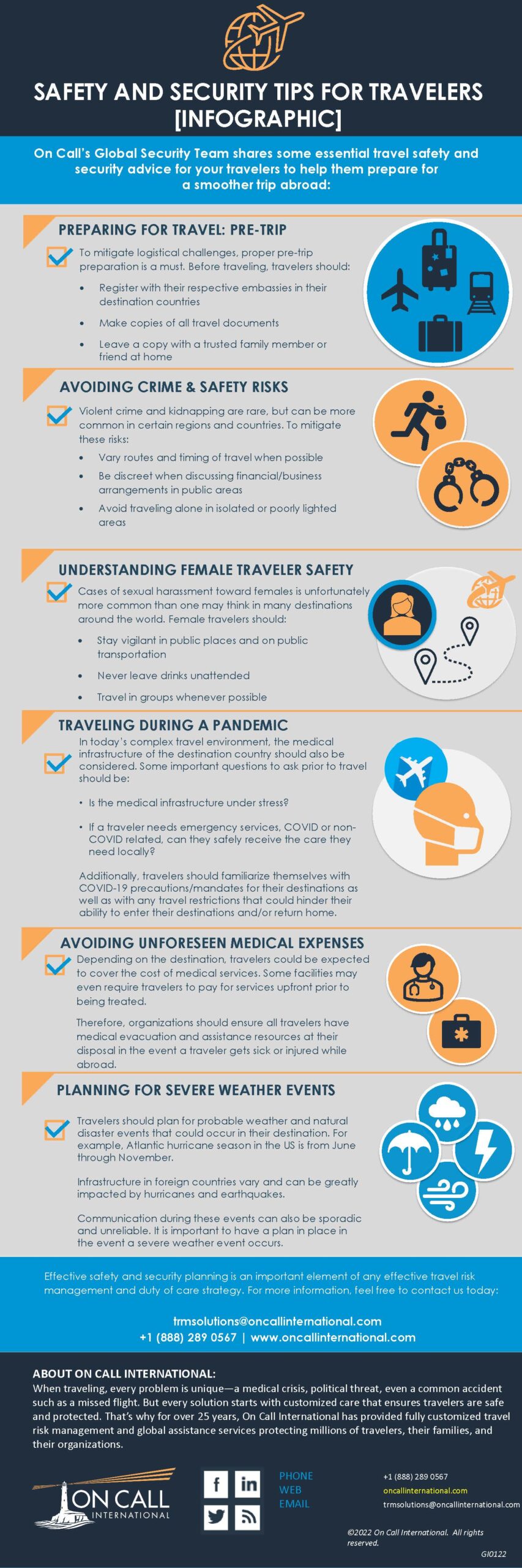
Travel opens doors to incredible experiences, but even seasoned adventurers can find themselves in unsettling situations. Knowing critical **travel safety emergency steps** could be the difference between quick resolution and escalating danger. In 2026, global unpredictability makes preparedness non-negotiable. This guide details immediate actions to take when you feel unsafe abroad, blending situational awareness with decisive moves.
Sudden risks demand rapid response, yet panic worsens outcomes. These **travel safety emergency steps** combine expert protocols with real-world practicality. You’ll learn to assess threats, secure help quickly, and create exit options. Let’s prioritize your security with actionable strategies for uncertain moments.
Immediate Actions for Travel Safety in Uncertain Situations
1. Assess Your Surroundings Immediately
Lose distractions instantly. Your situational awareness is your first defense. Stop using phones for non-emergency tasks. Quickly scan the area for:
- Potential exits: Identify at least two escape routes.
- Unusual behavior: Notice loiterers or agitated individuals.
- Visible threats: Weapons, aggressive animals, or hazardous conditions.
Avoid Tunnel Vision
Fear narrows focus, increasing risk. Consciously expand your visual field using peripheral vision. Breathe deeply to maintain mental clarity during assessment.
2. Communicate Your Status and Location
Share real-time updates with trusted contacts. If possible, activate location sharing via apps like Google Maps or WhatsApp. Verbally state your exact position if calling emergency services. Key details include:
- Street names or notable landmarks
- Building numbers or business names
- Vehicle descriptions (if in transit)
Establish Check-In Protocols
Pre-plan communication intervals before trips. Agree on alerts for “delayed check-in” scenarios. For international travel, share your itinerary with family and your country’s embassy registration system like the U.S. STEP Program.
3. Move to a Secure Location Methodically
Seek safety efficiently, not hastily. Running attracts attention and increases fall risks. Walk briskly toward:
- Crowded areas: More witnesses deter attackers.
- Staffed businesses: Hotels, banks, or hospitals have security protocols.
- Police stations: Visible emergency services locations.
Leverage ‘Safe Havens’
Memorize designated safe spaces in your destination. Many cities have tourist police booths or emergency shelters. Cruise ships have specified muster stations.
4. De-escalate Direct Confrontations
If approached aggressively, avoid sudden movements. Use calm verbal deflection:
- “I don’t have cash, but you can take my bag.” (Toss it sideways)
- “My friend is waiting for me right there.” (Point behind the person)
Create Distance Tactically
Position obstacles like tables or parked cars between you and threats. If chased, zigzag through tight spaces difficult for pursuers.
5. Contact Local Authorities and Embassy
Know emergency numbers before traveling. Dial:
- 112 in most European countries
- 911 in North America
- 999 in the UK and parts of Asia
Report the incident to your embassy immediately if you faced crime or political unrest. They arrange medical care, legal assistance, or emergency evacuations.
Leverage Mobile Safety Apps
Install government-endorsed tools like SOS – Worldwide Emergency Help or Red Panic Button. These apps send GPS coordinates and distress signals with one tap.
Having taken these immediate **travel safety emergency steps**, your next priority shifts to stabilizing your situation. In Part 2, we’ll detail how to implement medium-term safety actions like securing shelter, contacting insurers, and arranging evacuation if necessary.
Essential Strategies to Regain Confidence During Travel
Regaining control during unsettling travel situations is paramount for your safety and peace of mind. These targeted strategies form the foundation of effective travel safety emergency steps when threats arise. Actively implementing these protocols can dramatically improve outcomes.
Prioritize Immediate Physical Safety Measures
Your first response should always focus on removing yourself from imminent danger. Specifically, scan your surroundings for exits, public spaces, or emergency services within visual range. Furthermore, trust your instincts – if a location feels unsafe, leave immediately using any available transportation.
Execute Swift Evacuation Protocols
Pre-established escape routes become critical during escalating emergencies. In contrast to wandering aimlessly, move with purpose toward crowded areas or secured buildings. Notably, many international hotels provide emergency evacuation maps behind room doors.
Establish Emergency Communication Channels
Communication breakdowns often exacerbate travel safety emergencies. Proactively share your live location with trusted contacts using apps like Google Maps. Moreover, memorize or store local emergency numbers for rapid access during crises.
Leverage Technology for Real-Time Assistance
Modern smartphones provide lifelines through built-in safety features. For instance, iPhones enable automatic emergency SOS calls when rapidly pressing the side button. Similarly, Android devices offer emergency sharing functions for instant alerts.
Implement Situational Awareness Tactics
Heightened environmental perception helps anticipate threats before they materialize. Regularly practice the “OODA loop” technique: Observe surroundings, Orient to potential risks, Decide on action, Act promptly. Consequently, you’ll develop sharper instincts in unfamiliar territories.
Identify Behavioral Red Flags
Unusual patterns often precede security incidents. Specifically, watch for individuals monitoring tourist movements or probing personal questions. Legitimate hospitality workers typically wear identification badges and avoid invasive inquiries.
Create Psychological Safe Spaces
Mental resilience proves equally vital during travel safety emergencies. Establish mental anchoring techniques through controlled breathing exercises – the 4-7-8 method effectively reduces panic. Additionally, carry comfort items like stress balls or familiar photographs for grounding.
Develop Cognitive Rehearsal Practices
Visualization exercises prepare neural pathways for crises. Regularly imagine yourself successfully navigating various emergencies. Ultimately, this mental conditioning builds automatic responses when real dangers emerge.
Access Local Support Networks Rapidly
Predetermined contacts provide critical assistance when personal resources falter. Save embassy contacts, local tourism police, and trusted hotel security numbers before exploring. Similarly, joining expatriate forums offers community-based protection layers.
Apply De-Escalation Techniques Professionally
Verbal judo often defuses potentially dangerous confrontations. Maintain non-threatening body language while clearly setting boundaries through firm but polite statements. Furthermore, avoid direct confrontations over replaceable possessions whenever possible.
Master Cultural Conflict Resolution
Regional norms significantly influence dispute dynamics. In some cultures, loud voices escalate tensions, while others perceive quiet tones as weakness. Researching destination-specific conflict styles before departure prevents misunderstandings.
Utilize Strategic Disengagement Methods
Knowing when to withdraw preserves safety when tensions escalate. Create plausible exit scenarios like fake phone calls or urgent appointments. Likewise, carrying small denomination local currency facilitates quick taxi exits from volatile situations.
Having established these essential strategies to regain confidence during travel crises, we’ll next examine critical post-emergency protocols in our following section. Specifically, detailed reporting procedures and psychological recovery methods await discussion.
Long-Term Safety Measures for Secure Future Travel
While immediate emergency responses are crucial, strategic planning creates lasting protection. This section reveals professional-grade safety systems that transform how you travel. Consequently, let’s build your personalized security framework for all future journeys.
1. Implement Robust Pre-Trip Travel Safety Protocols
Professional travelers treat safety preparation as non-negotiable. Furthermore, these protocols become second nature with consistent practice.
Destination Intelligence Gathering
Thorough research prevents most emergencies. Consult these authoritative sources at minimum:
- Government travel advisories (U.S. State Department’s STEP program)
- Local news outlets for real-time developments
- Verified traveler forums discussing recent experiences
Itinerary Fortification Tactics
Your schedule should balance flexibility and security. Always:
- Share detailed plans with 2 emergency contacts
- Maintain digital/physical backup copies
- Establish regular check-in times with family
Emergency Contact Ecosystem
Build a comprehensive contact list including:
- Local embassy/consulate numbers
- Nearest medical facilities to accommodations
- Trusted local transportation companies
2. Invest in Personal Security Devices & Technology
Modern safety tools create powerful protection layers. Moreover, they provide confidence during unfamiliar situations.
Communication Safeguards
Reliable communication lifelines prevent isolation. Professional travelers typically carry:
- Unlocked global satellite phone
- Portable WiFi hotspot with local SIM
- Power bank capable of 5+ full charges
Location Security Measures
These devices monitor your positional safety:
- Wearable GPS tracker with SOS button
- Smart luggage tags with digital tracking
- Offline mapping apps with safety overlays
Anti-Theft Protection Systems
Prevent financial/document disasters with:
- RFID-blocking wallets and document holders
- Portable door alarms for accommodations
- Decoy wallets containing expired cards
3. Establish Comprehensive Emergency Documentation
Proper documentation enables rapid crisis response. Therefore, organize these critical materials systematically.
Secure Document Storage Solutions
Maintain three access methods for vital documents:
- Physical copies in waterproof pouches
- Encrypted cloud storage with 2FA
- Password-protected USB drive
Medical Information Portfolio
Your health profile should include:
- Current prescriptions with generic names
- Blood type and allergy documentation
- Vaccination records with dates
Insurance Verification Packets
Streamline emergency claims with:
- Policy numbers and international contact details
- Coverage limits documentation
- Pre-filled claim forms
4. Develop Cultural Competence & Situational Awareness
Cultural fluency prevents dangerous misunderstandings. Additionally, it enhances local interactions significantly.
Advance Cultural Intelligence Training
Master these pre-trip fundamentals:
- Local etiquette norms and taboos
- Appropriate attire expectations
- Regional conflict flashpoints to avoid
Continuous Situational Scanning
Maintain awareness through:
- Regular safety environment assessments
- Crowd behavior pattern recognition
- Exit route identification habits
Local Network Development Strategies
Build trustworthy connections by:
- Registering with expat communities pre-arrival
- Connecting with verified local guides
- Attending official tourist welcome sessions
5. Create Sustainable Health Protection Systems
Medical emergencies require layered preparation. Accordingly, implement these health security practices.
Preventative Healthcare Schedule
Professional travelers maintain:
- 4-6 month pre-trip medical checkups
- Travel-specific vaccination timetables
- Dental examinations before extended trips
Travel Medical Kit Optimization
Customize kits containing:
- Prescription medication buffers (+25%)
- Country-specific remedies (malaria, altitude)
- Emergency field treatment supplies
Mental Health Protection Protocols
Sustain psychological resilience with:
- Pre-established therapist video sessions
- Digital meditation/mindfulness resources
- Regular digital detox intervals
6. Implement Advanced Digital Security Frameworks
Cyber threats compromise physical safety. Thus, harden your digital defenses systematically.
Device Security Fortification
Essential protections include:
- Biometric device locks
- Encrypted messaging platforms
- Remote wipe functionality activation
Digital Footprint Minimization
Reduce exposure through:
- Disabling location metadata in photos
- Delayed social media posting practices
- Using VPNs on all networks
Financial Transaction Safety Nets
Secure money management requires:
- Multi-currency accounts with spending controls
- Travel notification systems with banks
- Emergency cash reserve protocols
7. Establish Post-Trip Safety Review Processes
Continuous improvement depends on analysis. Therefore, formalize these evaluation procedures.
Comprehensive Experience Debriefs
Within 72 hours of returning:
- Document safety observations
- Note unexpected risks encountered
- Record effective mitigation strategies
Emergency Protocol Testing
Semi-annual drills should include:
- Mock emergency scenario walkthroughs
- Contact tree verification tests
- Equipment functionality checks
Resource Optimization Updates
Quarterly review processes involve:
- App expiration date monitoring
- Document refresh cycles
- Insurance policy requirement reassessments
Conclusion: Mastering these travel safety emergency steps transforms how you navigate our complex world. By implementing systematic protocols, investing in proper tools, and maintaining vigilant awareness, you build impregnable security layers. Remember, comprehensive preparation prevents most emergencies while ensuring confident crisis management when challenges arise. Ultimately, adopt these measures gradually but consistently—your safety deserves nothing less than professional-grade protection during all adventures ahead.