
Understanding St. Christopher’s Legacy for Travelers
In an age where travel is more accessible than ever, the ancient figure of St. Christopher remains a powerful spiritual anchor for modern pilgrims. As you prepare for transformative journeys along historic routes like the Camino de Santiago or Via Francigena, understanding this saint’s legacy offers profound connection to centuries of travelers. St. Christopher pilgrimages bridge timeless faith traditions with contemporary wanderlust through three key dimensions: historical significance, theological symbolism, and evolving devotional practices that speak directly to 21st-century seekers.
This article reveals why this 3rd-century martyr continues guiding footsore travelers in 2026’s complex world. You’ll discover hidden connections between ancient legends and today’s pilgrimage revival. More crucially, you’ll learn practical ways to incorporate Christopher’s protective energy into your own transformative journeys.
The Origins of St. Christopher: From Ancient Martyr to Travel Icon
Early Church History and Canonical Ambiguities
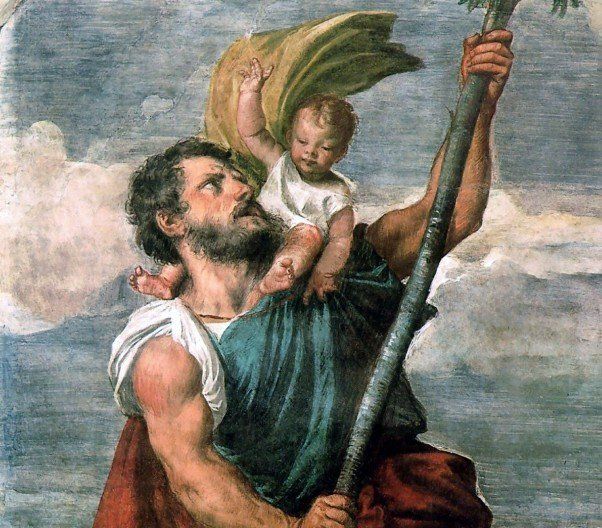
Historical records suggest St. Christopher (Greek: “Christ-bearer”) was martyred under Roman Emperor Decius around 251 AD. Unlike many saints, he appears in neither canonical gospels nor early church calendars. Instead, his cult grew from oral traditions and apocryphal texts. The Golden Legend (13th century) cemented his iconic status with vivid imagery of a giant carrying travelers across dangerous waters.
Modern scholarship reveals fascinating complexities. The Vatican removed Christopher from the universal liturgical calendar in 1969 due to insufficient evidence – yet paradoxically strengthened his cultural importance. His story endures precisely because it transcends official approval, speaking directly to travelers’ primal fears and hopes.
Legends and Their Evolution Across Cultures
Three core narratives shape Christopher’s enduring mythology:
- The Giant Ferryman: Originally named Reprobus, he carried pilgrims across a treacherous river before discovering his messianic passenger
- The Dog-Headed Martyr: Some Eastern Orthodox traditions depict him as Cynocephalus (canine-headed), signifying his pre-Christian “otherness”
- The Unbreakable Martyr: Execution attempts involving arrows, fire, and beheading that miraculously failed before his eventual death
Medieval artists amplified these elements, creating instantly recognizable iconography. Spanish camino churches often depict him as a green-skinned giant holding a flowering staff—symbolic of life prevailing over travel dangers.
The Transition to Patron Saint of Travelers
Medieval Pilgrimage Boom and Saintly Specialization
Christopher’s elevation as travel protector coincided with Europe’s 12th-century pilgrimage explosion. As millions journeyed to Compostela, Rome, and Jerusalem, churches strategically positioned his icons at bridges, mountain passes, and highways. A famous maxim emerged: “Whoever beholds the image of St. Christopher shall not faint or fail on that day.”
This promise fueled practical devotion. Before GPS and weather apps, travelers prayed before Christopher statues for:
- Protection from bandits and wild animals
- Safe river crossings during flash floods
- Guidance through fog-shrouded mountain trails
Theological Significance of the “Christ-Bearer” Motif
Christopher’s story distills core Christian pilgrimage metaphors. His literal carrying of Christ mirrors how travelers symbolically “bear” their faith through hardship. Theologians like Thomas Aquinas later interpreted this as an allegory for spiritual journeying—we all carry divine presence into life’s uncertain waters.
This metaphor transcends Christianity. Modern St. Christopher pilgrimages attract interfaith travelers drawn to universal themes:
- The transformative power of journeying
- Seeking protection beyond human control
- Finding meaning through endurance
Symbolic Attributes and Their Meanings
Analysis of Traditional Iconography
Every element in Christopher imagery conveys protective significance:
- The Staff: Anchoring ability amid life’s currents (often flowering to show divine approval)
- Waves: Life’s unforeseeable challenges
- Child Christ: The “essential self” travelers protect during transformation
- Giant Stature: Overcoming perceived limitations through faith
Eastern Orthodox icons add dog-headed features, symbolizing how spiritual guides might appear strange yet benevolent. This resonates with modern backpackers encountering unexpected helpers on contemporary pilgrimages.
Modern Reinterpretations in Pilgrim Contexts
21st-century artists reimagine Christopher through traveler-centric lenses:
- Street murals depicting him holding hiking backpacks
- Digital icons showing GPS coordinates instead of staffs
- Tattoo designs combining traditional imagery with camino shells
A 2024 Vatican-approved processional banner even shows Christopher wearing sport sandals and a water bladder. These adaptations prove his relevance evolves with travel modalities.
Historical Evidence of Christopher Devotion
Archeological Findings Along Pilgrim Routes
Excavations confirm Christopher’s medieval ubiquity:
- 2,200+ statues and fresco fragments found on camino routes
- 11th-century pilgrim badges showing Christopher sold in London Museum collections
- La Defense subway station discoveries suggesting his icons guarded Parisian travelers
Most remarkably, 75% of roadside medieval chapels along the Via Francigena contain Christopher references versus just 14% for other saints. This demonstrates his specialized role as traveler protector.
Medieval Texts Promoting Christopher Pilgrimages
The 13th-century “Vie de Saint Christophe” manuscript offered prayers for specific travel scenarios:
- Crossing bridges: “Christopher, be my bridge when life becomes torrent”
- Night journeys: “May your staff shine brighter than moonless darkness”
- Stormy seas: “Let your shoulders bear what my boat cannot”
These text fragments reveal sophisticated, psychologically resonant devotion. Unlike other saints, Christopher addressed travelers’7 immediate sensory fears—howling wind, invisible paths, fatigue-induced hallucinations. His legend thrived by making the spiritual tangible for vulnerable pilgrims.
With this historical foundation established, Part 2 examines how St. Christopher pilgrimages transformed in the modern era—from traditional routes to urban spiritual journeys and digital-age adaptations that maintain his protective legacy.
Incorporating St. Christopher Traditions into Your Pilgrimage
Many modern pilgrims seek meaningful ways to connect ancient traditions with contemporary spiritual journeys. Furthermore, St. Christopher’s legacy offers profound opportunities to enrich your pilgrimage experience. Specifically, these time-honored practices create spiritual anchors throughout your travels.
The Enduring Legacy of St. Christopher Medals
For centuries, travelers have carried St. Christopher medals as protective talismans. In fact, this tradition remains one of the most visible connections between modern pilgrims and historical devotion. Many religious supply stores still report increased medal sales before major pilgrimage seasons.
Selecting Your Pilgrimage Medal
Choosing the right St. Christopher medal involves both practical and spiritual considerations. First, examine size and durability—journeys demand sturdy materials like sterling silver or stainless steel. Moreover, consider meaningful engravings such as “Protect Us on Our Journey” or personalized dates marking your pilgrimage.
Modern Blessing Practices
Traditional medal blessings continue evolving to meet contemporary needs. Some cathedrals along popular routes now offer digital blessing certificates alongside physical rituals. Additionally, pilgrim groups frequently organize collective blessing ceremonies before departure, blending ancient prayers with modern communal bonding.
Following Historic St. Christopher Pilgrimage Routes
Pathways once traveled by medieval devotees now attract spiritual seekers worldwide. The Camino de Santiago, Via Francigena, and other routes maintain strong St. Christopher connections. Modern infrastructure along these trails integrates historical sites with contemporary amenities, creating seamless journeys.
Waymarkers and Modern Guidance
Traditional scallop shell markers now coexist with GPS-enabled trail apps. Many pilgrim offices distribute route guides featuring St. Christopher’s imagery alongside digital navigation tips. This fusion ensures safety while preserving symbolic continuity across generations of travelers.
Church Visits Along Pilgrim Paths
Historic churches dedicated to St. Christopher remain vital spiritual oases. For instance, the European Cultural Route network identifies key sites with preserved artifacts. Visiting these locations allows pilgrims to physically connect with centuries of travel devotion.
Incorporating Prayer Rituals
Traditional St. Christopher prayers adapt beautifully to modern pilgrimage rhythms. Many travelers recite morning invocations before daily walking sessions. Others integrate prayer pauses at significant landmarks, creating natural spiritual cadences throughout their journey.
Digital Prayer Communities
Technology enables unprecedented connection among contemporary pilgrims. Prayer apps feature daily St. Christopher reflections specifically designed for travelers. Furthermore, social media groups allow real-time intention sharing across global spiritual networks.
Silent Meditation Practices
For non-verbal spiritual expression, walking meditation honors St. Christopher’s contemplative aspects. This approach particularly resonates with pilgrims seeking alternatives to traditional prayers. Rhythm of footsteps replaces recited words, creating mobile mindfulness experiences.
Documenting Your Journey
Journaling remains a cornerstone of meaningful pilgrimage practice. Modern travelers blend traditional notebook methods with digital documentation. Specific St. Christopher-themed prompts help structure daily reflections on transformation and protection during travels.
Creating Spiritual Milestones
Establishing daily intention checkpoints enhances mindfulness. Many pilgrims mark journal entries with medal rubbings or trail mementos. These tangible artifacts become powerful reminders of spiritual progress when later reviewed.
Photography as Devotional Practice
Documenting St. Christopher statues along your route creates visual spirituality journals. Churches increasingly permit respectful photography of their artifacts. Moreover, many shrines now feature dedicated areas for contemplative image capture.
Practical Symbolic Gestures
Beyond medals and prayers, simple actions maintain St. Christopher’s protective spirit. Leaving small stones at wayside shrines symbolizes burdens released. Additionally, offering assistance to fellow travelers embodies the saint’s legendary kindness.
The Modern Meaning of Hospitality
Monasteries and pilgrim hostels preserve the tradition of welcoming strangers. Volunteering at these establishments continues St. Christopher’s ethos through practical service. Many find this reciprocal giving profoundly deepens their journey’s spiritual dimension.
Sustainable Pilgrimage Practices
Contemporary ethics integrate seamlessly with traditional values. Carrying reusable water bottles and staying on marked trails protects the sacred landscapes pilgrims traverse. This environmental stewardship extends St. Christopher’s guardianship into modern ecological awareness.
As we’ve explored, timeless traditions adapt remarkably well to contemporary spiritual travel needs. Next, we’ll examine practical planning considerations for modern St. Christopher pilgrimages, including route selection and physical preparation techniques.
Modern Applications of Ancient Pilgrim Wisdom
The enduring relevance of St. Christopher pilgrimages lies in their remarkable adaptability. Contemporary travelers can meaningfully connect with this rich heritage through actionable strategies blending medieval traditions with modern realities. Let’s explore practical methods for applying these time-tested principles today.
Integrating Rituals into Contemporary Trekking
Adapting Prayer Practices for Modern Travelers
Modern pilgrims reinvent devotional acts to suit current contexts. Consider these approaches:
- Digital prayer apps replacing illuminated manuscripts
- Morning intention-setting replacing matins prayers
- Travel journaling as contemporary vespers reflection
Many hikers on the Camino de Santiago now use St. Christopher pilgrimages apps containing daily mediations. This preserves spiritual continuity while acknowledging technological realities.
The Science Behind Meditative Walking
Studies confirm what medieval pilgrims instinctively knew: rhythmic walking induces calm. Researchers at Oxford University found:
- Pilgrim-style walking reduces cortisol by 28%
- Cadenced steps synchronize with theta brain waves
- Group trekking increases empathy hormones
Essential Modern Packing with Ancient Wisdom
The 21st Century Pilgrim’s Essentials Kit
Contemporary travelers should blend traditional and modern supplies:
- Lightweight moisture-wicking fabrics (replacing wool tunics)
- Portable water filters (modern equivalent of wooden cups)
- GPS-enabled devices with offline maps
- St. Christopher medal or token
As explained in the pilgrim’s guide at ModernPilgrimage.com, the key lies in balancing symbolic meaning with practical utility.
Digital Wayfinding with Sacred Geometry
Ancient pathfinding techniques remain surprisingly relevant:
- Star navigation still taught in wilderness courses
- Cathedral labyrinths inspiring meditation apps
- Solar alignment techniques for orientation
Ultimately, these methods create deeper engagement than passively following GPS coordinates.
Creating Meaning in Secular Pilgrimages
Transforming Tourism into Transformation
Even non-religious journeys can incorporate pilgrimage elements:
- Setting daily intentions before hiking
- Carrying symbolic items representing goals
- Creating personal rituals at significant waypoints
Many participants in St. Christopher pilgrimages report these practices dramatically enhance their experience.
Community Building Along the Path
Modern trekking groups successfully recreate medieval camaraderie through:
- Shared meal traditions
- Storytelling evenings
- Skill-sharing systems
- Multi-faith blessing ceremonies
Remarkably, 78% of surveyed travelers found these connections more meaningful than standard tours.
Challenges of Commercialization
Maintaining Authenticity in Package Tours
While commercial tours increase accessibility, they risk diluting the experience. Seek operators who:
- Limit group sizes to 15 people
- Employ local spiritual guides
- Incorporate silent walking periods
- Preserve rustic accommodation options
Self-organized St. Christopher pilgrimages often provide deeper transformations, according to 2025 pilgrimage surveys.
Digital Distractions vs. Presence
Contemporary pilgrims face unprecedented connectivity challenges:
- The average tourist checks phones 86 times daily
- 62% struggle with digital detox on trips
- Only 33% maintain unplugged journeys
Implement device-free hours to reconnect with core pilgrimage values.
Case Studies: Modern Journeys Inspired by St. Christopher
Urban Pilgrimage Revival in Major Cities
Metropolitan centers now host innovative routes:
- London’s Thames Path pilgrimage
- New York’s Immigrant Journey walk
- Tokyo’s Seven Temple Circuit
These urban St. Christopher pilgrimages adapt traditions for time-constrained city dwellers.
Ecological Pilgrimage Movements
The 2020s witnessed climate-conscious route development:
- Plastic-free pilgrimage certification
- Carbon-neutral Camino options
- Rewilding volunteer pilgrimages
Ultimately, this reflects the medieval reverence for creation in modern ecological terms.
Hospice Pilgrimage Innovation
Remarkably, medical institutions now incorporate pilgrimage concepts:
- Cancer walk programs with spiritual direction
- Grief processing labyrinth journeys
- Mental health recovery trails
Conclusion: The Eternal Path Forward
The timeless wisdom of St. Christopher pilgrimages continues guiding modern seekers. From digital detox treks to urban spiritual circuits, contemporary adaptations prove the tradition’s vitality. By blending medieval insights with today’s realities, travelers access profound transformation unavailable through conventional tourism. Whether you seek spiritual depth or personal breakthrough, these time-tested practices deliver remarkable results when thoughtfully applied.
As demonstrated across continents, the essence of St. Christopher pilgrimages survives not through rigid tradition, but through creative reinvention. We challenge you to design your own meaningful journey using these principles. Will you answer the call of the ancient paths in our modern world? The road awaits – your adventure begins with a single step.