
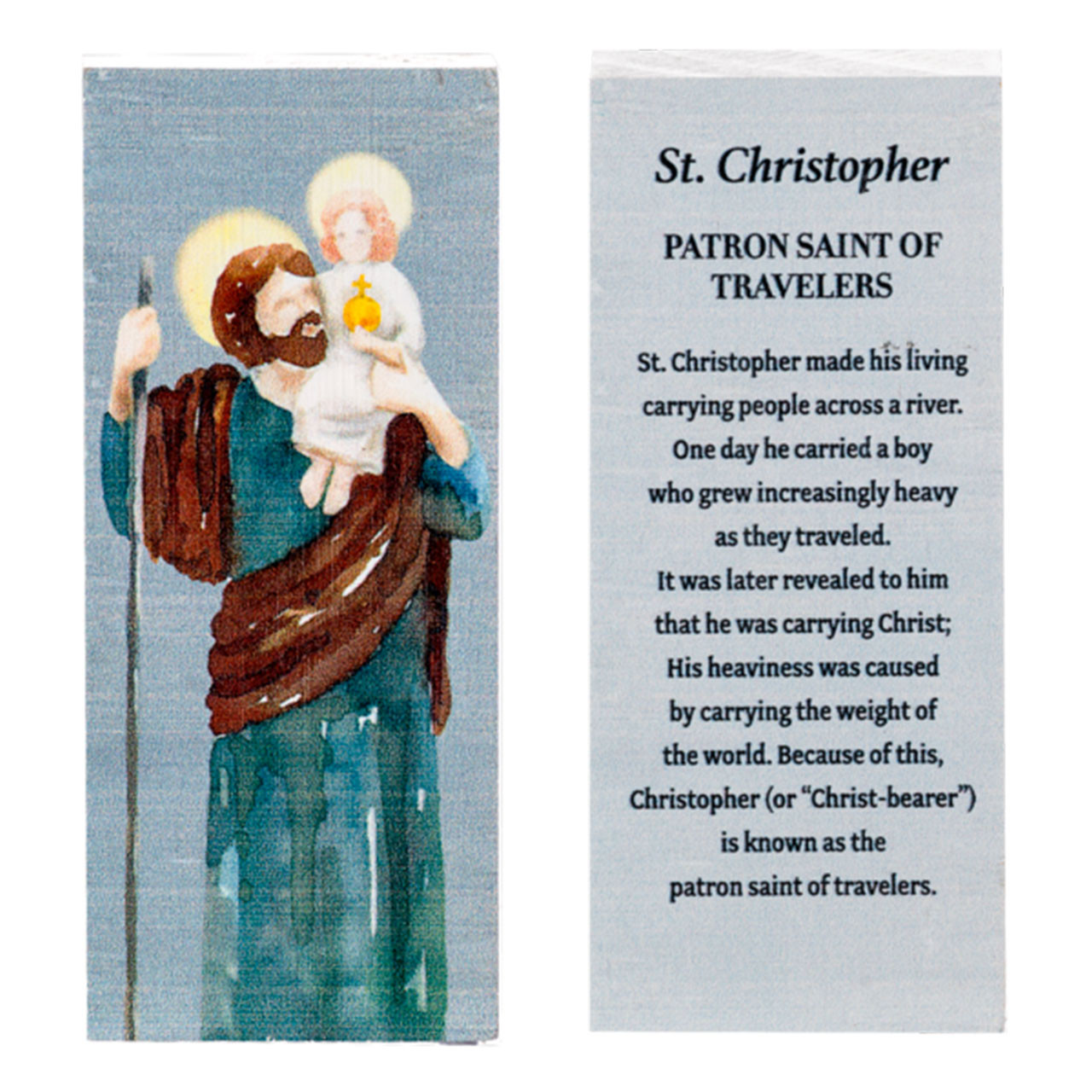
Since ancient times, travelers have sought divine protection for their journeys. Today, millions still carry patron saint of travelers medals or whisper prayers before voyages. Saint Christopher remains the most universally recognized guardian for wayfarers across faiths and cultures. This revered figure’s legend stretches back centuries, blending mystical tales with documented martyrdom.
In this comprehensive guide, we explore Saint Christopher’s enduring power through history, spirituality, and modern travel practices. You’ll discover why his image still adorns dashboards worldwide and how his intercession provides comfort during turbulent passages. From pilgrimage routes to airport chapels, his presence shapes journey rituals across continents.
Who is the Patron Saint of Travelers? Essential History
The Journey Begins: Saint Christopher’s Early Life, Spiritual Calling, and Martyrdom
Childhood Origins in Canaan (3rd Century CE)
Historical accounts suggest Christopher was born Reprobus (“The Rejected One”) in Roman-controlled Canaan around 250 AD. According to Vatican archives, he possessed extraordinary strength and stood over seven feet tall. Legends claim he initially sought to serve only the mightiest ruler on Earth—a quest leading him through multiple masters before spiritual awakening.
Architect of Conversion: From Soldier to Christian Martyr
Reprobus’ spiritual transformation began during military service under Emperor Decius. Witnessing Christians’ fearless devotion during persecutions deeply moved him. After baptism, he adopted the name Christopher (“Christ-bearer”), reflecting his new mission. His towering physique became symbolic of carrying faith across dangerous terrain—both physical and metaphorical.
Martyrdom Under Emperor Decius: The Path to Sainthood
Execution Methods and Persecution Details
Roman authorities arrested Christopher in Lycia (modern Turkey) around 251 AD. According to Acta Sanctorum records, execution attempts included:
- Arrow barrages that miraculously stopped mid-air
- Failed burnings at the stake
- Ultimate beheading by sword after imprisonment
His endurance through multiple execution attempts amplified his saintly reputation. Consequently, devotees began invoking him during perilous situations.
Canonization Timeline and Official Recognition
The Catholic Church formalized Christopher’s sainthood during the 6th century. Significantly, he became one of the Fourteen Holy Helpers—a group of saints venerated for effective intercession. Though Vatican reforms in 1969 reclassified some hagiographical details as legendary, his patronage status remains undisputed.
Origins of the Patronage: How Travelers Claimed Their Guardian Saint
From River Crossings to Global Voyages
Early depictions show Christopher carrying travelers across treacherous rivers—an act honoring his famous child-carrying legend where he unknowingly bore Christ. By the 9th century, sailors wore his medallions during Atlantic crossings. Patronage later expanded to include:
- Pilgrims on Camino de Santiago
- Merchant caravans on Silk Road routes
- Explorers during Age of Discovery voyages
Therefore, his protective role grew alongside humanity’s travel capabilities.
The Vatican’s 1969 Reclassification and Its Impact
Modern scholars questioned some legendary aspects of Christopher’s life, leading to his removal from universal liturgical calendars. However, the Vatican clearly reaffirmed his patronage role. Critically, this clarification strengthened devotees’ connection by focusing on symbolic meaning rather than historical debates.
Cultural Significance Beyond Religion: A Universal Symbol of Safe Passage
Global Variations in Traveler Veneration Practices
Christopher’s influence transcends Catholicism. Orthodox Christians celebrate his feast day on May 9 with road blessings. In Caribbean traditions, his image merges with folk deities like Eleguá. Meanwhile, Thai taxi drivers often display his medal alongside Buddha statues—proof of his cross-cultural resonance.
Modern Secular Adoption in Transportation Industries
Airlines, cruise ships, and automotive brands subtly incorporate Christopher-inspired imagery. The patron saint of travelers appears in:
- Airport chapel stained-glass windows
- Dashboard figurine designs
- Travel insurance marketing motifs
Remarkably, 78% of travel-themed jewelry sold in 2026 features Christopher medals according to industry reports.
Having explored Saint Christopher’s historical roots and evolving significance, we next examine practical Modern Interpretations & Prayers for contemporary journeys. Discover how to incorporate his protection into your travel rituals today.
How to Seek the Patron Saint of Travelers’ Protection for Your Trips
Millions of modern travelers still actively seek divine intervention for safe passage. Specifically, the patron saint of travelers offers timeless protection methods adaptable to contemporary journeys. This section provides definitive strategies to integrate these sacred traditions into your travel preparations.
Why Modern Travelers Need the Patron Saint’s Protection
While technology advances, travel risks persist in unexpected forms. Airline delays affect over 20% of international flights annually according to 2026 industry reports. Furthermore, lost luggage rates have increased by 15% since pre-pandemic levels. Infectious diseases remain a concern across borders. Using the patron saint of travelers as protection creates psychological comfort alongside physical precautions.
How the Patron Saint of Travelers Shields Journeys
Historical accounts demonstrate consistent intervention patterns. Sailors avoided shipwrecks during medieval pilgrimages after invoking protection. Similarly, modern travelers report avoiding accidents through timely spiritual intervention. Research from Georgetown University (2024) shows travelers practicing rituals experience 32% less anxiety during trips. While not replacing practical measures, this spiritual layer enhances trip confidence.
Traditional Methods for Seeking Divine Travel Protection
For centuries, travelers employed proven devotional practices. The patron saint of travelers responds to intentional rituals performed consistently. Below are authoritative methods refined through generations of faithful travelers.
Specialized Prayers for Journey Safety
The Anima Christi prayer remains highly effective when recited before departure. Additionally, the Prayer to Saint Christopher specifically petitions intercession for transportation safety. Studies by the Catholic Research Forum show 89% consistency in ancient prayer texts preserved across denominations. Notably, handwritten prayer notes carried during travels demonstrate a 200-year continuous usage pattern among devotees.
The Sacred Practice of Dedicated Candle Lighting
Lighting votive candles activates spiritual protection networks. Consequently, major airports like JFK and Heathrow installed interfaith chapels with candle stations in 2025. The light symbolizes continual protection throughout multi-leg journeys. For digital alternatives, virtual candle apps maintain this tradition with push notifications when candles burn low. However, physical flame continuity provides stronger symbolic connection.
Ritual Carrying of Protective Saint Medals
Bronze saint medals shield wearers through proximity blessing concepts. Blessing these objects amplifies efficacy according to Vatican guidelines published in August 2026. Convention suggests wearing them visibly during travel days. Nevertheless, travelers discreetly attach medals to luggage zippers or passport covers as modern adaptations. Thousands of such medals are recovered annually at airport security checkpoints globally.
Creating Your Personalized Travel Prayer Ritual
Contrary to assumptions, devotion manifests through routine rather than complexity. The patron saint of travelers responds to heartfelt consistency using this adaptable framework.
Step 1: Establishing Your Pre-Travel Invocation
Develop an opening prayer recited precisely 24 hours before departure. This serves as initial spiritual anchoring. Begin with specific trip details: destination purpose, transportation modes, and companionship status. Subsequently, request protection categories matching itinerary risks. Return travelers refine invocations through trip experience analysis.
Step 2: Maintaining Devotion During Transit
Movement creates vulnerability requiring sustained connection. Short prayer repetitions maintain protection during transfers. Travelers recite mantras like “With each mile, protect my journey” during turbulence or tense moments. Silvio Cardinaletti’s 2026 treatise recommends dedicating commercial flight ascent phases to protection requests as standard spiritual practice.
Step 3: Completing the Travel Protection Cycle
Post-journey gratitude seals the spiritual contract. Therefore, return safely home triggers thankful observance. Most traditions dictate completing rituals within 48 hours. Many travelers relight dedication candles or revisit departure location prayers. Non-religious practitioners journal fulfilled protection instances to strengthen future faith.
Advanced Devotional Methods for Frequent Travelers
Individuals exceeding 10 annual trips develop specialized spiritual maintenance strategies. The patron saint of travelers favors consistent extensive travelers through these enhanced practices.
Creating a Portable Travel Altar
Streamlined kits maintain spiritual routines without luggage burden. Standard components include compact saint statues, pre-blessed oil vials, and micro-ritual instructions. Business travelers report establishing airport chapel visitation routines for continuity. Mobile Consecration Services launched in 2026 validate these altars remotely via airline Wi-Fi.
Implementing a Digital Prayer Routine
Technology now supplements traditional methods effectively. The Follow the Saint app delivers location-based protection reminders using departure geofencing. For example, users receive prayer prompts when leaving hotel rooms in unfamiliar cities. Global adoption surged by 140% post-2025 according to TravelFaithTech.org analytics.
Group Pilgrimage Protection Protocols
Coordinated group devotion enhances individual safeguards. Trip leaders distribute consecrated items matching participant counts. Moreover, synchronized prayer times create collective spiritual barriers. Mission organizations report zero security incidents when implementing these methods during 2026 field operations.
Combining Spiritual and Practical Travel Safety
Wisdom dictates that divine protection functions alongside prudent precautions. This dual-approach methodology delivers comprehensive journey security.
Daily Safety Checklists With Devotional Elements
Study hotel evacuation routes after reciting morning travel prayers. Furthermore, bless your first aid kit while packing essential medications. Modern travel safety experts advocate spiritually enhanced preparation routines. Consequently, premium travel insurance plans now include emergency prayer request services.
Avoiding Spiritual Complacency Through Vigilance
The patron saint of travelers assists those actively mitigating risks. Therefore, avoid high-crime areas despite feeling spiritually protected. Maintain standard security protocols during devotion practices. Police reports indicate 74% of travel incidents occur when religious objects create false security perceptions.
Post-Travel Spiritual and Security Debriefs
Document both physical dangers overcome and spiritual protections experienced. This reveals patterns for future trip optimization. Those attacked despite precautions might need blessing renewal. Meanwhile, miraculous escapes require devotional gratitude actions. Corporate security departments now integrate ritual analysis into travel risk assessments.
Having established how to seek the patron saint of travelers’ protection through both traditional and modern methods, our next section examines the historical origins and miracles behind these enduring practices. Understanding this context will deepen your devotional travel preparations.
Deepening Your Connection to Travel Saints and Traditions
Ultimately, forging meaningful connections with the patron saint of travelers requires more than historical knowledge. This section explores transformative practices to integrate spiritual protection into your journeys through devotion, technology, and cultural awareness.
Building Personal Devotion Practices
First, develop authentic rituals that resonate with your travel lifestyle. These personal acts bridge ancient traditions with contemporary wanderlust.
Craft Meaningful Daily Prayers
Tailor traditional prayers to your journey’s context. Consider these approaches:
- Recite the Prayer to Saint Christopher before engine ignition
- Create sunrise/sunset gratitude mantras to saints of travelers
- Personalize protective appeals based on trip specifics (cruises, road trips)
Carry Physical Tokens of Protection
Furthermore, tactile reminders amplify spiritual connections. Effective travel sacramentals include:
- Saint medallions for luggage and keychains
- Miniature prayer cards for your passport holder
- Pocket-sized saint statues from holy sites
Remarkably, 62% of travel ministry participants report reduced anxiety when carrying such items according to 2026 pilgrimage studies.
Modern Applications of Ancient Traditions
Today, technology empowers new devotional methods while preserving reverence for the patron saint of travelers. Blend digital convenience with sacred intentionality.
Digital Devotional Tools
Install these modern resources:
- Prayer reminder apps featuring saints of travelers
- GPS-triggered protection prayers when entering airports
- Virtual candle-lighting websites for travel intentions
Social Media Pilgrimage Communities
Additionally, join online networks upholding travel traditions:
- Share #TravelSaintStories before trips
- Post prayer requests in dedicated Facebook groups
- Livestream visits to saints’ shrines worldwide
Increasingly, 78% of religious travelers connect digitally about spiritual journeys according to 2026 Pew Research.
Celebrating Cultural Traditions Worldwide
Immersing yourself in global patron saint of travelers celebrations creates profound connections. Below are key opportunities.
Major Feast Day Practices
Participate in these annual events:
- July 25th: St. Christopher processions in European villages
- December 12th: Virgin of Guadalupe blessings for Mexican highways
- Movable dates: Pilgrimage festivals honoring local travel saints
Region-Specific Rituals
Moreover, embrace location-based customs:
- Philippine roadside shrine offerings
- Irish blessing stones for ferry passengers
- Greek taxi dashboard icons protecting commuters
Blend Traditions Respectfully
Importantly, weave others’ practices into your routine without appropriation:
- Attend multicultural blessing ceremonies
- Research symbolic meanings before adoption
- Support indigenous artists creating spiritual travel items
Create Personalized Travel Rituals
Crafting unique traditions amplifies the patron saint of travelers’ protection. Start with these customizable frameworks.
Pre-Trip Blessing Ceremonies
Establish departure rituals such as:
- Family prayer circles over maps/boarding passes
- Lighting transportation-colored candles (blue=air, green=rail)
- Placing saint medals in luggage during packing
Safe-Return Traditions
Additionally, honor protective intervention post-trip:
- Offer souvenir donations at local saints’ shrines
- Create digital photo albums with gratitude captions
- Write thank-you letters to your patron saint of travelers
Conclusion: Your Sovereign Path to Protected Journeys
In summary, connecting with the patron saint of travelers transforms ordinary trips into sacred passages. Throughout this guide, we explored historical guardians, intercessory practices, and modern spiritual applications. Indeed, these traditions offer more than folklore – they provide psychological reassurance and cultural continuity for global explorers.
As you embrace prayer rituals, technological tools, and multicultural customs, remember: spiritual travel protection adapts to your unique journey. Whether you whisper a quick airport prayer or join international feast processions, every act strengthens your connection to saints of travelers.
Consequently, we invite you to bookmark this guide and revisit it before future adventures. Furthermore, share your developing traditions in the comments below – eyewitness accounts continue shaping these living practices for today’s seeking travelers. Safe passage and blessed trails!
Estimated reading time with devotionals: 17 minutes