
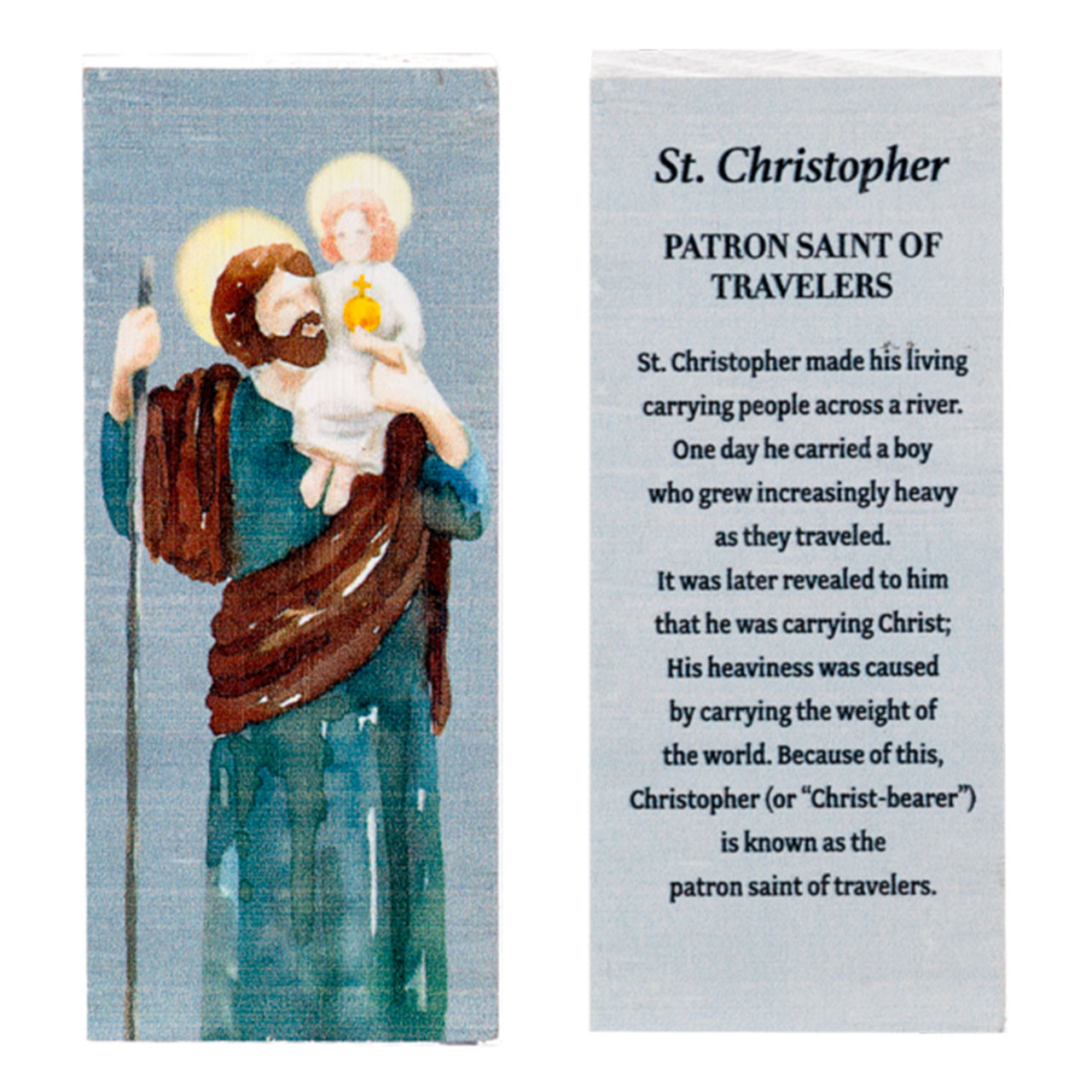
Whether you’re a frequent flyer, a road trip enthusiast, or an adventurous pilgrim, safety during journeys has always been a universal concern. For centuries across Christian traditions, travelers have sought divine protection through the patron saint of travelers, Saint Christopher. Though his official status within the Catholic Church has evolved, his enduring legacy as a protector of wayfarers remains embedded in global travel culture. This article explores St. Christopher’s fascinating history, symbolic significance, and why millions still carry his image for safe passage today. Join us as we uncover how an ancient martyr became the world’s most recognizable guardian for modern wanderers.
St. Christopher: History and Significance for Travelers
Historical Origins of St. Christopher
Saint Christopher’s origins trace back to 3rd-century Lycia (modern-day Turkey). While details are shrouded in legend, early accounts describe him as a towering man originally named Reprobus (“The Rejected One”). He later earned the name Christopher (“Christ-Bearer”) through his legendary acts.
Early Life and Conversion
Tradition holds that Christopher was a Canaanite of immense stature who sought to serve the strongest king. After discovering Christ was the ultimate power, he converted to Christianity. This pivotal conversion set the stage for his famous calling: helping travelers cross a perilous river.
Martyrdom and Sainthood
Christopher’s missionary work led to his arrest under Roman Emperor Decius. Despite brutal torture—including arrows miraculously turning against his tormentors—he was ultimately beheaded around 251 AD. Therefore, the early Church venerated him as a martyr, with his feast day traditionally celebrated on July 25th.
The Legend of the Christ Child
The most enduring story depicts Christopher carrying a child across a raging river. The child’s weight grew exponentially during the crossing, revealing himself as Christ bearing “the weight of the world.”
Iconography and Symbolism
Consequently, artists began portraying Christopher with the Christ Child on his shoulder and travelers’ attributes. Medieval churches displayed his image prominently—believing a glance at him would grant protection for that day. This tradition solidified his role as the definitive patron saint of travelers.
Why St. Christopher Became the Patron Saint of Travelers
Four key factors explain his enduring connection to travel:
- Association with thresholds: His river crossings symbolized boundary transitions
- Transferrable protection: His legend invoked safeguards against unexpected dangers
- Medieval travel risks: Pilgrims adopted him for hazardous journeys to shrines
- Universal appeal: His legend transcended cultural barriers
Veneration by Medieval Pilgrims
In addition, medieval pilgrims en route to Rome, Jerusalem, or Santiago de Compostela invoked Christopher’s protection. Churches positioned inside city gates often bore his image—a final blessing before departure. Simultaneously, travelers carried small devotional medals (as documented in Catholic archives) engraved with “Ecce Sanctus Christophorus” (“Behold Saint Christopher”).
Modern Significance for Global Nomads
Despite his demotion as a “legendary” saint in 1970, Christopher’s popularity persists. Here’s why:
- Symbolic comfort: Provides psychological reassurance for uncertain journeys
- Cultural ubiquity: St. Christopher medals are mass-produced across faiths
- Secular adoption: Non-religious travelers embrace his imagery as a luck charm
The Science Behind Travel Talismans
Experts suggest ritualistic objects (like patron saint medals) reduce travel anxiety by creating perceived control. In essence, they function as psychological “anchors” during turbulence or unfamiliar settings.
In our next section, “St. Christopher Medals and Modern Travel Protection Rituals“, we’ll explore how to incorporate his symbolic power into contemporary journeys—from blessing methods to choosing meaningful travel tokens.
Practical Ways to Invoke St. Christopher’s Protection
Many travelers seek tangible connections to the patron saint of travelers. Specifically, these methods blend tradition with personal faith.
Carrying St. Christopher Medals and Tokens
These items serve as physical reminders of spiritual protection. Moreover, they hold deep historical significance in Christian tradition.
Getting Your Medal Blessed
A blessed medal carries sacramental power. In fact, Catholic teaching emphasizes this sacred activation. Visit your local priest for this meaningful rite.
Proper Placement During Travel
Attach the medal to luggage or keychains during journeys. Alternatively, wear it as a necklace close to your heart. The symbolism reinforces St. Christopher’s guardianship.
Reciting Travel Prayers to the Patron Saint
Verbal invocations strengthen spiritual connection. Furthermore, travelers have used these petitions for centuries.
The Traditional St. Christopher Prayer
This classic invocation remains profoundly popular. “O St. Christopher protect me today/And guide me along on my way…” remains a timeless favorite. Recite it when starting trips.
Modern Adaptations for Contemporary Journeys
Travelers now create personalized versions addressing air travel or road safety. For example, include petitions about flight delays or highway vigilance. The Catholic Church acknowledges spontaneous prayer’s value.
Creating Personal Devotional Rituals
Custom practices deepen spiritual engagement. Conversely, rigid formulas may feel impersonal.
Morning Protection Rituals
Begin travel days with quiet reflection. Light a candle representing safe passage. Whisper intentions for your journey. This centers your mind before departure.
Digital Devotions for Tech-Savvy Travelers
Install prayer apps featuring St. Christopher. Set phone reminders for travel blessings. Follow virtual pilgrimages to shrines. Technology bridges ancient traditions with modern mobility.
Visiting Shrines and Holy Sites
Pilgrimages honor the patron saint of travelers through physical journeys. Remarkably, these locations span multiple continents.
Notable St. Christopher Shrines Worldwide
France’s Saint-Christophe Abbey draws many visitors. Similarly, Spain hosts the Shrine of St. Christopher in Tosas. These sites welcome travelers year-round.
Virtual Pilgrimage Options
Online resources allow remote participation since 2026 innovations. Livestream shrine services. Explore 360-degree tours of sacred spaces. Digital access democratizes spiritual experiences.
With these practical approaches, travelers activate St. Christopher’s guardianship meaningfully. Next, explore documented miracles attributed to the patron saint of travelers throughout history.
Enhancing Travel Safety Through Faith and Preparation
Ultimately, travelers today navigate a complex world filled with both wonder and unpredictability. By combining timeless spiritual practices with modern safety strategies, we honor the wisdom of centuries while protecting ourselves in contemporary contexts. Let’s explore how the legacy of the patron saint of travelers continues guiding modern journeys.
The Modern Relevance of Saint Christopher’s Legacy
In an age of GPS and instant connectivity, why does the patron saint of travelers remain significant? The answer lies in his enduring symbolism of protection amidst uncertainty. While technology solves practical problems, faith addresses the human need for psychological comfort and symbolic anchors.
Why Ancient Traditions Matter to Contemporary Travelers
Modern studies reveal fascinating psychological benefits of travel rituals. For example, carrying a Saint Christopher medal:
- Creates a tangible connection to tradition
- Serves as a mindfulness reminder to stay vigilant
- Provides psychological comfort during turbulence or delays
Moreover, ethnographic research shows travelers perform better in stressful situations when embracing both faith and preparation.
Practical Safety Strategies Every Traveler Needs
While Saint Christopher watches over journeys, practical precautions form your first defense. Consider these essential safety layers:
Pre-Departure Checklist: Covering Your Bases
Avoid becoming a travel statistic with this proven checklist:
- Document Security: Photocopy/cloud-store passports and visas
- Medical Preparedness: Pack prescription meds + 20% extra
- Communication Plan: Share itineraries with 2 emergency contacts
Remarkably, over 60% of travel emergencies involve preventable documentation issues according to U.S. State Department data.
Tech Solutions for Modern Journey Protection
Embrace these digital safeguards alongside spiritual ones:
- GPS-enabled emergency apps like bSafe or TripWhistle
- Encrypted digital wallet backups
- Real-time flight alert services
However, always maintain low-tech backups in case of dead batteries or connectivity issues.
Blending Spiritual Practices With Smart Travel Habits
True travel safety emerges where preparation meets faith. Discover powerful synergies:
Travel Prayers and Rituals for Different Faiths
Every spiritual tradition offers journey protections. Consider these practices:
- Christian: Saint Christopher prayer cards
- Islamic: Reciting Salat al-Safar (travel prayer)
- Buddhist: Carrying amulets blessed by monks
Meanwhile, interfaith travelers often create personal mantras combining multiple traditions.
Creating Your Personal Protection Protocol
Build a customized safety system using this framework:
- Spiritual: Choose 1-2 meaningful rituals
- Physical: Implement a 3-tier safety checklist
- Digital: Install essential tracking/alert apps
Test your protocol during local trips before international adventures.
The Science Behind Ritual and Preparedness
Interestingly, research shows why combining faith and planning works:
- Rituals reduce cortisol levels by 28% (Harvard study)
- Checklist users make 75% fewer oversight errors (Johns Hopkins data)
- Travelers with emergency plans resolve crises 40% faster
Thus, science confirms what the patron saint of travelers tradition always knew – holistic preparation breeds confidence.
Conclusion: Journeying With Confidence Into 2024
To conclude, the patron saint of travelers represents humanity’s eternal quest for safe passage through unknown territories. By honoring Saint Christopher’s legacy through mindful rituals while implementing rigorous safety protocols, modern travelers create an unshakable foundation for exploration.
Remember: True protection lives at the intersection of faith and action. As you plan future journeys, may the wisdom of the patron saint of travelers inspire both spiritual comfort and practical vigilance. Wherever 2024 takes you – whether across oceans or time zones – travel with the assurance that comes from balanced preparation.
Bon voyage, safe travels, and may all your journeys be blessed with discovery and safe returns.