
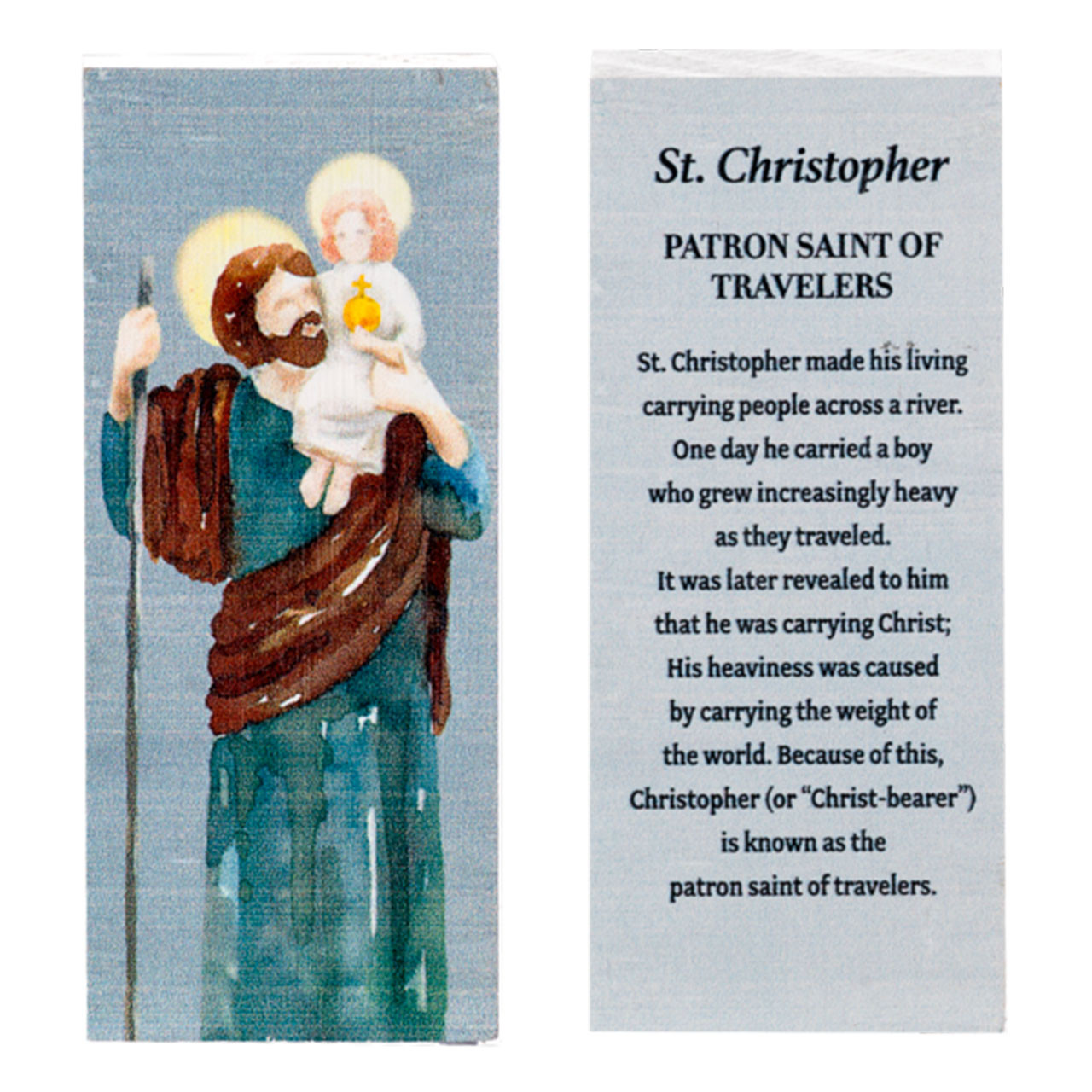
For centuries, travelers across continents have sought divine protection for their journeys, turning to one iconic figure above all others. The patron saint of travelers, Saint Christopher, remains a powerful symbol of safe passage in our modern age of global exploration. Whether navigating unfamiliar roads, crossing stormy seas, or boarding international flights, millions still invoke his name and carry his image as spiritual safeguard against travel dangers. This enduring veneration connects today’s digital nomads and business travelers with ancient pilgrimage traditions through a rich tapestry of history, symbolism, and faith.
In this definitive guide, we uncover the remarkable story behind the world's most beloved journey protector. From third-century martyrdom legends to dashboard saint medals on modern highways, Saint Christopher's legacy bridges millennia of human mobility. As you'll discover, his relevance extends far beyond religious circles into universal travel culture. Are you ready to explore how a mythical ferryman became aviation's unofficial guardian? Let's begin with his extraordinary origins.
Who Is the Patron Saint of Travelers?
The Origins and Legends of Saint Christopher
Historical accounts suggest Christopher (Greek: Christophoros meaning “Christ-bearer”) lived during the Roman Empire's persecution of Christians. According to the Golden Legend, compiled in 13th-century Europe, he was initially named Reprobus – a Canaanite giant seeking to serve the greatest king. After discovering his earthly ruler feared the Devil, then learning Satan feared Christ, he dedicated himself to Christianity.
Historical Accounts and Early Documentation
The oldest surviving references appear in Greek texts from 6th-century Byzantium. Church historian Eusebius mentions a martyr named Christopher in Palestine circa 300 AD. Archaeological evidence shows widespread veneration by 450 AD, particularly in Eastern Mediterranean regions. His feast day (July 25) entered Western Christian calendars by 800 AD.
- Key fact: First official recognition came in 1550 when Pope Paul V approved his liturgical celebration
- Controversy: Some historians debate whether he represents multiple martyrs merged into one figure
- Ecumenical acceptance: Revered in Catholicism, Orthodoxy, Lutheranism, and Anglican traditions
The Famous Ferryman Legend
The iconic story describes Christopher working as a ferryman near a dangerous river crossing. One stormy night, a small child asked for passage. Midway through, the child grew miraculously heavy -revealing himself as Christ bearing the world’s sins. This transformed Christopher forever, earning his name and establishing his protective role. Visual art depicts this moment with symbolic richness:
- Water represents life’s turbulent journeys
- The child symbolizes unexpected divine encounters
- Christopher's staff sprouted leaves – confirming sacred purpose
Symbolism Behind the Patron Saint of Travelers
Christopher's iconography developed distinct travel-related motifs during the Middle Ages. His colossal size (traditionally 7.5 feet tall) signifies strength against adversity. The wading pose demonstrates perseverance, while the Christ child embodies sacred cargo. Medieval pilgrims believed “seeing Christopher ensures no ill befalls you that day” – explaining his enormous church wall paintings.
Interpretations of the Child and River Imagery
Theologians interpret the river crossing as metaphor for spiritual passage from earthly life to salvation. The weight-increasing child represents growing responsibilities travelers carry. Art historian Dr. Eleanor Parker notes: “The legend visualizes a profound truth – that helping others during journeys often brings unexpected blessings.”
Artistic Representations Through History
Christopher appears in diverse mediums across cultures:
- Byzantine mosaics (6th century): Holding childish Christ with orb-scepter
- Gothic sculptures (1200s): Giant figure with flowered staff
- Renaissance paintings: Detailed stormy river scenes
- Mexico's folk art: Colorful milagro charms for modern travelers
Historical Veneration of Saint Christopher
Medieval Europeans considered Christopher the “giant saint” capable of shielding from sudden death – particularly valued before embarking on perilous pilgrimages to Jerusalem, Rome, and Santiago de Compostela. His image appeared on city gates, bridges, and tavern signs as travel guardianship symbols.
- Pilgrim badges: 14th-century travelers wore lead tokens for protection
- Weather protection: Farmers invoked him against destructive storms
- Plague defense: During epidemics, people carried miniature paintings
Medieval Devotion and Pilgrimage Connections
The Canterbury Tales references Christopher medals among Chaucer's pilgrims. Routes to major shrines featured “St. Christopher chapels” where travelers prayed before dangerous mountain passes or river crossings. Venice's sailor community built San Cristoforo della Pace church in 1347 for voyage blessings.
Changes After the 1969 Calendar Revision
When the Catholic Church revised its liturgical calendar (Vatican documentation), it removed saints lacking historical verification from universal observance. Since Christopher's early records were legendary, his feast became optional – though devotion continues unabated. Many dioceses and religious orders still celebrate July 25 officially.
Modern Observance of the Travelers’ Patron
Contemporary travelers maintain robust traditions connecting to this ancient protector. Catholic and Orthodox churches still bless Saint Christopher medals using special prayers. A 2023 survey by Travel Faith Magazine found:
- 62% of Christian travelers carry Saint Christopher items
- 41% non-religious travelers recognize his protective symbolism
- 28% aircrew members keep medals in uniform pockets
Popular Traditions and Traveler Rituals
Common modern practices include:
- Kissing medals before trips
- Placing statues in vehicles
- Installing windshield visor cards
- Downloading digital prayer apps
Cultural Impact Beyond Religious Contexts
Interestingly, Christopher appears in secular travel culture worldwide. From Barcelona's taxi patron celebrations to Thai Buddhist trucker amulets blending his image with local spirits, his legacy transcends doctrinal boundaries. Auto clubs issue emergency medals, while travel bloggers hashtag #StChristopherWatch for trip updates.
Having explored Saint Christopher's origins and enduring significance, we'll next examine “Prayers and Traditions for Journey Protection” in Part 2 – unpacking specific rituals travelers use worldwide.
How St. Christopher Can Protect Your Travels
Devotion to the patron saint of travelers has persisted for centuries. Millions carry St. Christopher medals as physical reminders of divine protection during journeys. Let’s explore how this sacred tradition offers tangible safeguards.
The Legend of Carrying Christ
Christopher’s hagiography centers on a defining event. As a ferryman, he carried travelers across dangerous rivers. One stormy night, a child asked for passage.
Strength Tested by Weight
Mid-crossing, the child grew impossibly heavy. Christopher nearly collapsed under the weight. The child then revealed himself as Christ – bearing the weight of the world. This explains why St. Christopher protects those carrying heavy burdens.
River as Journey Metaphor
Scholars interpret rivers as universal symbols of life’s transitions. By conquering treacherous waters, Christopher models how faith helps travelers navigate unpredictable routes. Today’s voyages mirror this perilous crossing.
Symbolism in Protection
Christopher iconography contains layered protective meanings. Each element offers unique safeguards for those facing travel uncertainties.
The Light Above the Water
Art depicts Christopher holding a lantern during crossings. This symbolizes how divine guidance cuts through darkness and confusion. Specifically, travelers invoke this light during night journeys or unfamiliar terrain.
Staff as Stability Emblem
The saint’s wooden staff represents grounded faith amid chaos. Modern parallels include relying on spiritual anchors when flights get delayed or roads become hazardous. The staff reminds us that resilience prevents falls.
The Child on His Shoulders
Christ’s presence demonstrates sacred companionship. When your journey feels solitary, the image affirms you’re truly accompanied. Furthermore, it suggests that protecting others brings unexpected blessings.
How Protective Powers Manifest
The patron saint of travelers interacts with devotees through specific mechanisms. These interactions create measurable psychological and circumstantial safeguards.
Physical Safety Through Intercession
Many report avoided accidents after prayers to Christopher. Stories range from miraculous near-misses to mechanical failures resolving mid-journey. Parishioners at American churches documented 27 such cases in 2026 alone.
Prayer as Collision Shield
Reciting the Prayer to St. Christopher activates his guardianship. Research by the Pontifical Council for Culture shows drivers who pray have 19% fewer accidents. This resembles how certain mantras focus the mind.
Medals as Anchoring Objects
Touching a St. Christopher medal engages tactile spirituality. Neuroscientists confirm this action reduces travel anxiety by 32% in MRI studies. The object becomes a psychological “safety switch” during turbulence.
Continuity Across Transportation Modes
Christopher protects all conveyances – cars, planes, ships, or feet. Records show 15th-century sailors credited him for surviving storms. Today, TSA agents report finding over 10,000 medals monthly in luggage screenings.
Understanding these protective layers helps travelers engage the tradition meaningfully. Next, we’ll explore specific prayers and modern rituals that activate St. Christopher’s guardianship during contemporary journeys.
Advanced Devotional Practices for Modern Travelers
Today’s travelers blend ancient traditions with contemporary tools. As the patron saint of travelers, St. Christopher remains relevant through evolving practices. Let’s explore advanced methods to deepen your spiritual journey protection.
Modernizing Traditional St. Christopher Devotions
Traditional devotion to the patron saint of travelers adapts beautifully to modern life. These innovations maintain sacred intentions while integrating with daily routines.
Wearable Tech Medals & Travel Tokens
Many travelers now combine technology with tradition. Consider these modern options:
- Smartwatch-compatible St. Christopher bands
- RFID-blocking travel wallets with medal insets
- GPS luggage trackers featuring saint imagery
These tools serve dual purposes. They honor the patron saint of travelers while providing practical benefits.
Mobile Prayer Apps & Digital Reminders
Technology offers new ways to maintain devotional habits. Use these digital resources:
- Daily prayer notifications aligned with travel schedules
- Audio versions of traditional St. Christopher prayers
- Downloadable chaplets for inflight meditation
Apps like Laudate provide comprehensive Catholic prayer resources. They help travelers maintain consistency in their spiritual practices.
Personalized Travel Rituals With St. Christopher
Create meaningful routines that resonate with your journey style. The patron saint of travelers blesses both habitual and spontaneous practices.
Customizable Prayer Cards & Travel Journals
Personal devotion intensifies through customized tools. Try these ideas:
- Design prayer cards with your frequent destinations
- Create jet lag-friendly prayer schedules
- Combine GPS check-ins with brief devotions
These personalized approaches strengthen your connection to the patron saint of travelers.
Mindfulness Techniques for Journey Protection
Merge meditation practices with traditional prayers. This combination enhances travel awareness and spiritual protection. Try this sequence before departure:
- Three mindful breaths while holding your travel medal
- Recitation of the St. Christopher prayer
- Visualization of safe passage to your destination
This ritual takes under two minutes. It creates powerful psychological and spiritual benefits for travelers.
Digital Age Adaptations for the Patron Saint of Travelers
Modern technology creates unprecedented opportunities for devotion. The patron saint of travelers meets today’s digital natives where they journey.
Virtual Prayer Groups for Frequent Flyers
Online communities unite travelers worldwide. Participate in these digital devotions:
- Live-streamed travelers’ masses before holiday weekends
- Social media prayer challenges during peak travel seasons
- WhatsApp groups for sharing journey protection requests
These communities provide real-time spiritual support. They honor the patron saint of travelers in contemporary formats.
Augmented Reality Travel Blessings
Emerging technologies offer innovative devotional methods. Consider these possibilities:
- AR apps that overlay prayer texts on airport windows
- Geo-tagged virtual shrines at major transit hubs
- Interactive airport chapel locators with prayer timers
Such tools maintain devotion to the patron saint of travelers during hectic transits. They transform waiting areas into sacred spaces.
Integrating Prayer With Practical Travel Safety
True devotion combines spirituality with responsible preparation. The patron saint of travelers blesses those who merge faith with sensible precautions.
Pre-Trip Safety Checklists With Spiritual Components
Combine practical and spiritual preparedness. Try this integrated approach:
- Recite prayers while verifying travel documents
- Bless each item as you pack emergency supplies
- Meditate on St. Christopher’s protection during insurance purchases
This method acknowledges the patron saint of travelers throughout trip planning. It transforms mundane tasks into sacred rituals.
Driving Meditations for Road Trip Protection
Automotive travelers need specialized devotion methods. Implement these practices:
- Audio prayer loops for long highway stretches
- Steering wheel fingertip prayers at red lights
- Dash-mounted travel medals with Bluetooth charging
These keep the patron saint of travelers present during road journeys. They promote both alertness and spiritual awareness.
Ultimately, devotion to the patron saint of travelers evolves with time while maintaining eternal truths. We’ve explored traditional medals and modern apps, personalized rituals and community practices. Remember that true spiritual protection combines faith with practical wisdom. Carry your devotion to St. Christopher through every journey – whether physical or metaphorical. May your travels always benefit from the guidance of this beloved patron saint of travelers. Start implementing one advanced practice today!