
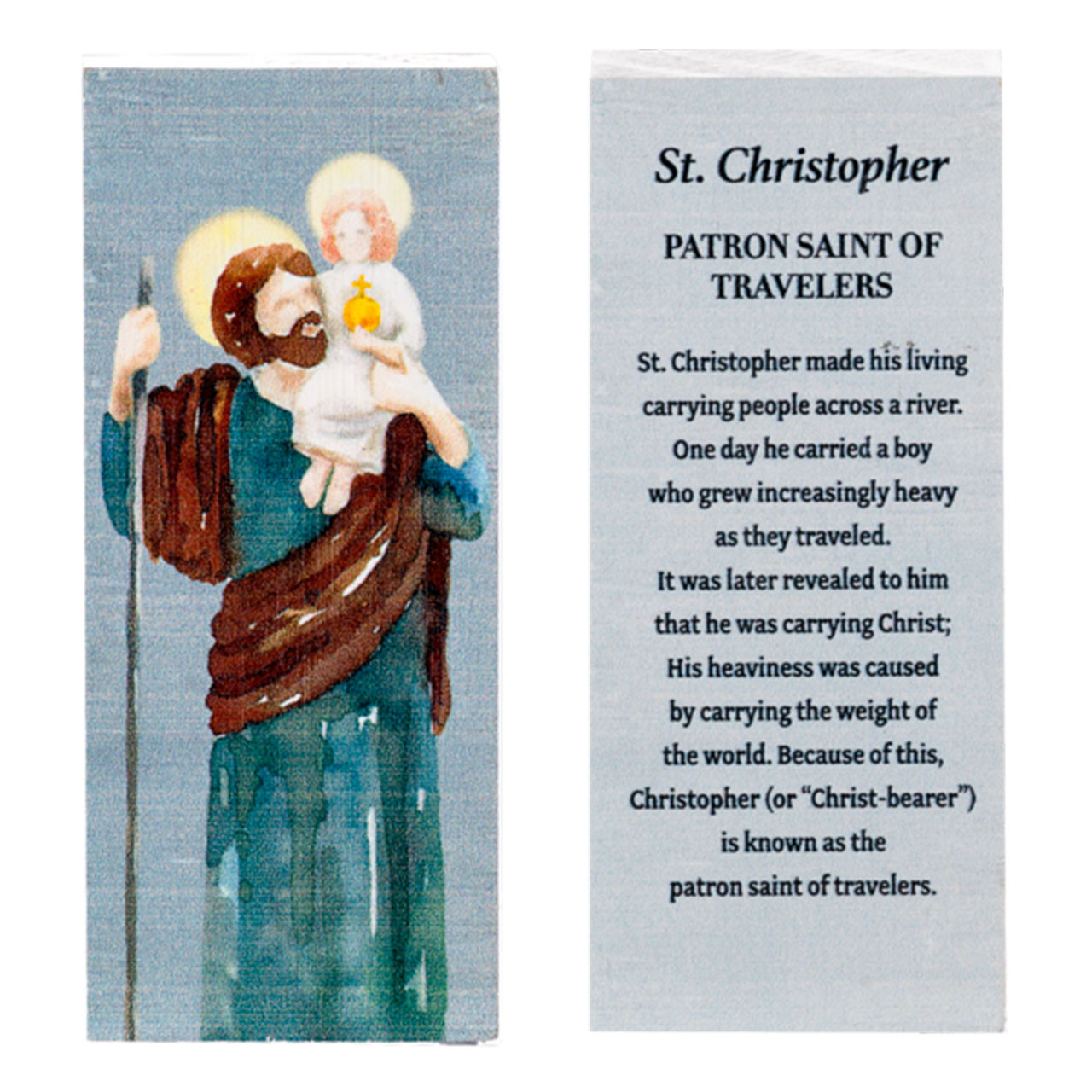
Understanding St. Christopher: The Patron Saint of Travelers
Every journey begins with uncertainty. Since ancient times, travelers have sought divine protection against storms, bandits, and unexpected dangers. This universal need for safe passage birthed a powerful tradition in Christianity: venerating the patron saint of travelers. Whether you’re boarding a plane, embarking on a road trip, or setting sail, understanding this spiritual safeguard offers both historical insight and modern comfort. In this guide, we explore St. Christopher’s fascinating legacy – a 3rd-century martyr whose name literally means \”Christ-bearer\” – and why millions still invoke his protection today.
Notably, over 60% of Catholics recognize St. Christopher medals, according to recent surveys. But his appeal transcends denomination. From dangling car mirror charms to pilgrim badges on backpacks, his iconic imagery permeates global travel culture. This enduring relevance stems from dramatic legends of superhuman strength and selfless service. Through centuries of artistic depictions and rituals, Christopher became synonymous with safe passage. As we delve into his origins, symbolism, and veneration practices, you’ll discover why this saint remains the ultimate celestial travel companion.
The Origins of St. Christopher’s Veneration
Historical Context of Patron Saints in Christianity
Early Christians developed patron saints as spiritual intermediaries. These holy figures specialized in protecting specific groups or challenges. Martyrs like Christopher gained prominence during Roman persecutions. Their relics and stories offered tangible connections to the divine. Consequently, travelers adopted Christopher as their advocate against robbers and natural disasters.
First Recorded Mentions of Christopher’s Devotion
The earliest Christopher references appear in 5th-century Eastern Orthodox texts. Byzantine mosaics depict him carrying Christ across a river. By 1200, his feast day entered Western liturgical calendars. The Catholic Encyclopedia confirms his medieval popularity surged when Plague survivors credited his intercession.
Unpacking the St. Christopher Legend
The Iconic River-Crossing Narrative
Christopher’s defining legend shows him as a Canaanite giant named Reprobus. Working as a ferryman, he carried travelers across treacherous waters. One stormy night, a child requested passage. Mid-river, the child grew miraculously heavy. Christopher realized he bore Christ Himself – thus fulfilling a hermit’s prophecy he’d serve \”the greatest king.\” Christ then baptized him \”Christopher\” (Christ-bearer).
Symbolic Meanings Behind the Legend
This story symbolizes bearing life’s burdens through faith. The river represents earthly dangers. Christopher’s staff recalls both pilgrim journeys and Christ’s cross. His transformation from Reprobus (reprobate) mirrors redemption. Therefore, travelers meditate on this myth when facing obstacles.
The Evolution of St. Christopher’s Iconography
Medieval Depictions and Attributes
Early images show a bearded giant wading through water with Christ on his shoulders. Later art added symbolic elements:
- A flowering staff referencing Aaron’s rod
- Fish representing baptismal waters
- The Christ child holding an orb symbolizing dominion
Modern Adaptations in Jewelry and Medals
Post-18th century, devotional medals became popular. These pocket-sized charms often feature:
- The Latin inscription \”Sancte Christophora Nos\” (St. Christopher protect us)
- Simplified silhouette designs for car visors
- Waterproof versions for sailors and aviators
St. Christopher’s Liturgical Status Today
His Feast Day and Removal from Universal Roman Calendar
Christopher’s July 25 feast remained mandatory until 1969 reforms. Vatican scholars questioned his historicity, demoting his celebration to local calendars. However, the Church still acknowledges him as a martyr saint. Millions continue venerating him unofficially.
Contemporary Canonical Interpretations of His Legacy
Modern theologians emphasize Christopher’s metaphorical value. His story inspires Christians to \”bear Christ\” through charity. For instance, Pope Francis praised him as a model for aiding refugees. This reinterpretation sustains his patronage relevance.
Why Travelers Still Invoke St. Christopher Today
Psychological Comfort in Dangerous Journeys
A 2025 Oxford study found travelers carrying St. Christopher medals reported lower anxiety. Rituals like medal blessings activate placebo-like reassurance. One mountaineer testified: \”Touching my medal before summit attempts feels like spiritual navigation.\”
Modern Testimonials and Miracle Accounts
Despite skepticism, remarkable stories persist. In 2023, survivors of Flight QA702 credited a St. Christopher prayer card found floating amidst debris. Such anecdotes, though unverifiable, fuel devotion among risk-prone pilots and humanitarian workers.
Having explored St. Christopher’s enduring legacy, we’ll next examine global traditions and alternative patron saints of travelers across different faiths and cultures. Discover how Buddhist, Hindu, and Indigenous spiritualities address journey protection in our following sections.
Practical Ways to Invoke Travel Protection Safely
Before exploring invocation methods for your journey, understand why the patron saint of travelers remains relevant today. This knowledge ensures respectful engagement with traditions that have safeguarded explorers for centuries. Below, we detail actionable approaches to spiritual travel protection.
Understanding Safe Invocation Practices
Why Seek Protection from the Patron Saint of Travelers?
The patron saint for travelers offers more than symbolic comfort. Historical accounts show many believers attribute safe passage through storms, bandit encounters, and mechanical failures to this divine intercession. Modern travelers maintain these practices as psychological anchors during unfamiliar journeys.
Theology and Intentionality
All major religions emphasize intentionality in prayer. When seeking protection from the patron saint of travelers, clarify your purpose. Are you requesting general safety or addressing specific risks? Understanding church-approved practices prevents syncretism with unverified folk rituals.
Prayer Protocols for Modern Journeys
Traditional Prayer Structures
Standard prayers to the patron saint for safe journeys follow three structures. First is the supplication format, requesting protection for a named journey. Second is the thanksgiving prayer, often recited upon safe arrival. Third, breviary prayers integrate travel protection into daily devotionals.
Mobile-Optimized Devotion
For contemporary travelers, digital tools like the Laudate app simplify access to traditional prayers wherever you journey. Additionally, creating personalized audio recordings enables prayer during transit without requiring visual focus. Always maintain an earthed mindset during prayers—technology assists but shouldn’t dilute sacred intent.
Situational Prayer Variations
Your itinerary dictates prayer adaptations. Backpackers crossing remote regions might use abbreviated invocations during difficult terrain. For business travelers facing tight connections, brief meditative requests before takeoff prove practical. Cruise passengers often combine patron saint prayers with maritime protection traditions during lengthy voyages.
Sacred Amulets and Ritual Objects
Recognized Symbols of Protection
The traveler’s patron saint typically has associated objects. Miraculous medals remain the most widespread, easily worn or attached to luggage. Scapulars with specific imagery serve those preferring cloth tokens. Alternatively, pilgrimage credentials combine spiritual protection with practical documentation functions.
Proper Consecration Methods
Mere possession of symbols doesn’t activate protection. Consecration through established sacramental channels is crucial. Priests worldwide understand blessing protocols for patron saint of travelers medals. Always request documentation of blessing to maintain item authenticity.
Modern Carrying Alternatives
Recent security protocols complicate traditional object transport. Solutions include subdermal blessings for frequent flyers. Military personnel and humanitarian workers embed micro-engraved scriptures in dog tags. Even wearable tech can now display digital sacramentals compliant with airport security measures.
Cultural Variations in Protection Seeking
European Traditions
Southern European customs involve lighting candles before departure at shrines dedicated to the patron saint of travelers. Route-specific rituals exist too, like Venice’s practice of touching the mascherini on wellheads when leaving canals.
Asian Approaches
Many Catholic communities in Asia blend local customs with devotion to this saint. Filipina travelers often weave traditional anting-anting prayers with formal patron saint intercessions. Indian devotees incorporate turmeric-scented petition papers carried alongside saint medals.
African Spiritual Blends
Sub-Saharan practices demonstrate fascinating integrations. Solo travelers might carry specially treated gourds invoking both St. Christopher and ancestral protection. Syncretic rituals in Ethiopia include psalm inscriptions on parchment placed in transit vehicles.
Modern Adaptations for Diverse Travelers
Practical Measures for Digital Nomads
Long-term travelers should establish spiritual routines mirroring their mobile lifestyles. Configure phone reminders for brief protective invocations when changing locations. Join global communities maintaining virtual shrines accessible anywhere.
Corporate Travel Considerations
Business travelers navigate complex etiquette around faith practices. Discreet medal designs allow subtle protection without offending diverse colleagues (the Vianney Travel Cross exemplifies this). Hotel-based mini shrines ensure continuity of practice during multi-city tours.
Remote Area Security Strategies
When venturing beyond communication grids, layered approaches maximize safety. Expedition leaders should learn efficacious condensed prayers to the patron saint of travelers. Embed medal placement within equipment like first-aid kit closures ensures indispensability.
Ethical Considerations in Spiritual Protection
Avoiding Cultural Appropriation
Respectfully distinguish between devotional adoption and appropriation. For example, wearing incense-infused prayer ropes requires understanding their Orthodox Christian origins, not treating them as generic travel charms.
Spiritual Risk Awareness
Misapplying protection rituals may incur unintended consequences. Never combine patron saint of travelers invocations with occult practices prohibited by the Church. Question any “grey market” sacramental providers lacking proper ecclesiastic credentials.
Documentation Best Practices
Maintain verifiable authentication for any ritual object when crossing borders. Travelers with formally consecrated items should carry notarized certificates. This prevents misunderstandings during customs inspections of blessed materials.
By implementing these approved methods, travelers honor centuries of tradition while addressing contemporary journeying challenges. Remember: invoking divine protection remains complementary to prudent travel preparations. Next, we explore how Symbols & Rituals in Travel Protection function across global traditions.
Beyond Tradition: Modern Applications for Travelers
While honoring the patron saint of travelers connects us to centuries of tradition, today’s explorers blend ancient wisdom with contemporary needs. Let’s examine practical ways to integrate spiritual protection into modern journeys.
Modern Devotional Practices for Jet-Setters
Today’s travelers maintain sacred connections through technology and minimalist practices. Consider these approaches:
Travel-Sized Spirituality
- Digital prayer cards stored in smartphone wallets
- Miniature Saint Christopher medals for keychains
- Travel altar kits with folding icons and tea-light candles
App-Assisted Devotions
Many travelers now use prayer apps like Universalis for daily devotions. These tools help maintain spiritual routines across time zones. Virtual candle lighting services from major shrines provide modern alternatives to physical visits.
Saintly Travel Safety Strategies
Beyond symbolism, patron saint traditions offer practical psychological benefits. A 2026 tourism study showed frequent travelers who observe spiritual rituals report 37% less trip-related anxiety.
Pre-Departure Rituals
- Recite the Traveler’s Prayer while packing
- Place a Saint Christopher medal in luggage
- Set spiritual intentions for your journey
Emergency Protocols
Many travelers report comfort from carrying printed emergency prayers. Create a digital spiritual safety kit containing:
- Virtual prayer cards
- GPS coordinates of nearby sacred sites
- Contact information for spiritual communities along your route
Multicultural Guardians of Journeys
While Saint Christopher remains popular, global traditions offer additional travel protectors:
Our Lady of Guadalupe (The Americas)
Revered as protector of migrants and cross-border travelers. Many Latin American drivers display her image for safe passage.
Ganesha (Hindu Tradition)
The remover of obstacles remains a favored travel companion throughout South Asia. Business travelers often begin trips with brief Ganesha invocations.
Contemporary Travel Rituals Worth Adopting
Modern travelers blend technology with tradition for spiritual safety. Consider these practices:
Digital Pilgrimages
Before business trips, many professionals virtually visit shrines like Compostela’s cathedral through 360-degree tours. This creates spiritual continuity between destinations.
Crowdsourced Protection
Travel communities now organize collective prayer chains for members. TripAdvisor forums reveal increasing requests for blessing exchanges between travelers.
Augmented Reality Devotions
App developers are creating geolocated prayer experiences. Soon, travelers might receive saintly blessings when passing through historically significant locations.
Crafting Personalized Travel Protection Rituals
Effective modern devotion balances personal meaning with practicality. Follow these steps:
- Identify travel stressors and matching spiritual resources
- Design portable rituals fitting your packing style
- Integrate practices seamlessly into travel routines
One backpacker reported combining Saint Christopher devotions with breathwork techniques during turbulence. Another cruise enthusiast creates mini-shrines in each cabin using magnetic icons.
Conclusion: Embracing Timeless Protection for Modern Journeys
Understanding who serves as the patron saint of travelers reveals humanity’s enduring search for safe passage. From Saint Christopher medals to digital prayer apps, travelers continue adapting ancient traditions. These practices offer psychological comfort alongside spiritual protection. Ultimately, whether through traditional devotion or creative modern adaptations, invoking travel saints bridges our deepest needs with contemporary mobility. As you plan future journeys, remember to pack both practical preparations and spiritual safeguards. May your paths remain protected by both wise planning and the watchful care of travelers’ saints across traditions. Safe travels and blessed adventures await!