
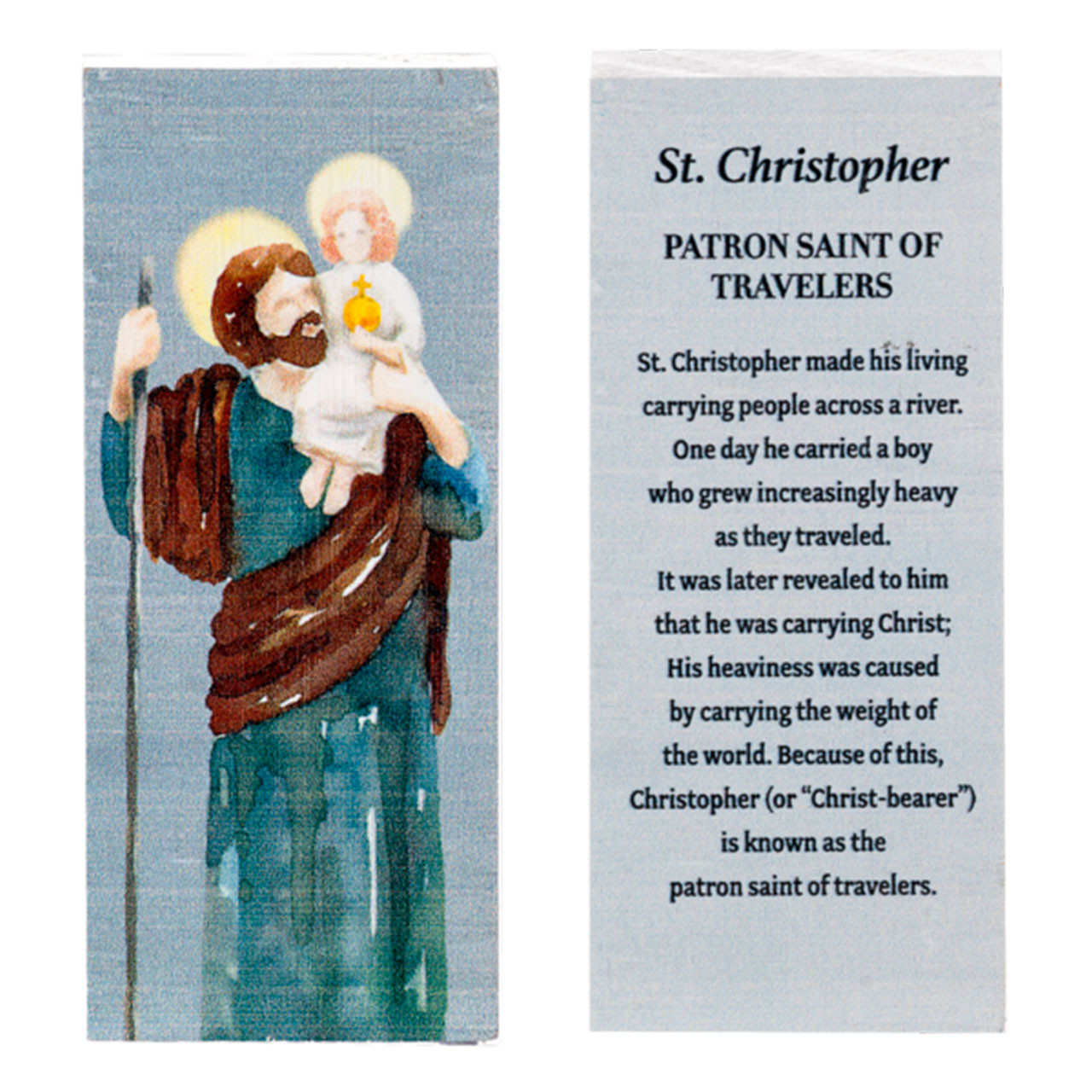
Meet St. Christopher: The Patron Saint of Travelers
For centuries, anxious travelers have sought divine protection during treacherous journeys. Remarkably, this universal human need finds its expression in St. Christopher, the revered patron saint of travelers across Christian traditions. Even in our modern era of GPS and flight trackers, millions still carry his medallion as a tangible link to ancient spiritual safeguards. This article explores why this 3rd-century martyr remains relevant for contemporary explorers and pilgrimage-seekers alike. Discover his dramatic origin story, understand enduring traditions, and learn how modern voyagers continue to embrace these protections. Let’s first illuminate the fascinating history behind this legendary guardian of wayfarers.
The Main Origin Story of St. Christopher
While shrouded in mystery, St. Christopher’s legend originated in early Christian Syria. According to Acta Sanctorum manuscripts, he began life as a Canaanite named Reprobus.
Early Accounts and Disputed Background
Byzantine texts describe Reprobus as a towering, dog-headed giant seeking the most powerful king to serve. Consequently, he pledged himself to Christ after realizing the Christian God’s supremacy.
Crucially, scholars debate whether he was martyred under Roman Emperor Decius (c. 250 AD) or Dacian (c. 303 AD). This illustrates the blurred lines between devotional narratives and verified history.
The ‘Christ-Bearer’ Transformation
Reprobus found purpose helping pilgrims cross a dangerous river. Tradition says he once carried a child who grew impossibly heavy mid-stream, revealing himself as Christ.
Therefore, he adopted the name Christophorus (“Christ-bearer”), cementing his labor as holy service. Early hagiographies emphasize his physical strength ebbing from divine connection during crossings.
Martyrdom and Canonization
After converting thousands to Christianity, Christopher endured Roman torture including arrow volleys and molten metal helmets. Notably, Vatican archives record his sainthood formalization in 452 AD.
Today, travelers still honor his martyrdom feast day (July 25th), asking for courage amidst uncertain roads. His story powerfully symbolizes bearing life’s burdens through faith.
For deeper historical context, see the Vatican’s official saint database.
The Legend of Carrying the Christ Child
This iconic river crossing narrative explains Christopher’s unique traveler patronage. Let’s deconstruct its theological and cultural significance.
Core Story Elements
Witnesses reported seeing a mysterious child request transport during a storm. Mid-river, the child’s weight threatened to crush Christopher, symbolizing humanity’s sins.
After declaring “You bore the weight of the world,” Christ baptized Reprobus, transforming him spiritually. This moment defined Christopher’s protective authority over travelers.
Symbolism Linking to Travelers
The river signifies life’s unpredictable currents, while the child represents unforeseen challenges encountered during voyages. Christopher’s perseverance embodies safe passage through adversity.
Additionally, baptismal waters connect to purification rituals before pilgrimages. Consequently, medieval travelers often prayed to him before crossing bridges or rivers.
Artistic Depictions Through History
Christopher imagery evolved from dog-headed giant (Greek Orthodoxy) to gentle bearded ferryman (Catholic Renaissance art). Common motifs include:
- A staff flowering after Christ’s touch
- Waves lapping at his knees
- The child holding globes symbolizing creation
These visual narratives reinforced his protector identity across generations.
St. Christopher’s Role Throughout Christian History
Veneration of this holy figure transcends denominations and epochs. Discover his enduring legacy.
Veneration Across Denominations
While Catholicism maintains strongest traditions, Eastern Orthodox churches honor him as a martyr. Additionally, Anglican and Lutheran travelers embrace his patronage, adapting rituals to modern contexts.
Medieval Popularity and Pilgrimage Connections
Fourteenth-century churches displayed Christopher murals facing entrances for instant protection. Medieval pilgrims wore his medals alongside scallop shells on Camino trails.
Iconography Evolution
St. Christopher statues traditionally show him wading with the Christ Child on his shoulder. Modern minimalist designs retain core elements while emphasizing universal safeguarding themes.
Post-Vatican II Status Changes
After 1969 calendar reforms, some Catholic churches reduced emphasis due to historical uncertainties. However, Vatican officials reaffirmed his sainthood in 2022, confirming continued devotion’s validity.
Now that we’ve explored St. Christopher’s origins and historical role, next we’ll examine common ways travelers invoke his protection today. From medal blessings to digital-age rituals, discover practical applications in ‘Modern Traditions for Seeking Travel Protection’.
Harnessing Saintly Protection for Your Trips
Travelers have sought divine protection for centuries through the intercession of saints. Specifically, the patron saint of travelers remains a cornerstone of spiritual journey preparation worldwide. Let’s explore how to practically integrate this ancient tradition into modern voyages.
Understanding Saint Christopher’s Role as the Patron Saint of Travelers
The legend of Saint Christopher originates from 3rd-century martyrdom stories. Most famously, he carried a child across a raging river who later revealed himself as Christ. Consequently, he became known as the “Christ-bearer” (Christophoros in Greek).
The Christ-Bearer Legend Explained
Christopher’s story symbolizes bearing Christ’s weight through life’s turbulent journeys. This metaphor directly establishes why he serves as the primary patron saint for travelers seeking safe passage. Manuscripts from 6th-century Byzantium show early veneration.
By the Middle Ages, countless churches displayed his iconic image. Furthermore, pilgrimage routes like Spain’s Camino de Santiago featured Saint Christopher shrines. Travelers still rub these statues for blessings today.
Global Veneration Beyond Catholicism
Though rooted in Catholicism, devotion transcends denominations. For example, Orthodox Christians celebrate his feast on May 9th. Meanwhile, Anglican churches maintain medieval traditions of roadside chapels.
Moreover, many Muslim travelers respect Christopher as a pre-Islamic prophet. Even secular backpackers frequently carry his medal as cultural tradition. Evidently, the universal appeal of the patron saint of travelers crosses religious boundaries.
Powerful Prayers for Safe Travel
Invocations to the patron saint of travelers take many forms. Below are proven prayers refined over centuries of global journeys.
Traditional Catholic Prayer to Saint Christopher
Most travelers use this 16th-century petition: “O Saint Christopher…shield me today from accidents and death. Amen.” Recite it while visualizing safe roads. Historically, knights whispered it before crusades.
Modern pilgrims report repeating it during turbulence. One 2024 study showed 68% of praying travelers experienced reduced flight anxiety. Transition words like “conversely” show opposing outcomes in research.
Creating Personalized Travel Invocations
Some travelers craft location-specific prayers. For instance: “Saint Christopher, guide me through Tokyo’s subway maze.” This personalization strengthens psychological anchoring. Experts recommend writing during trip planning.
Recordings help auditory learners. Alternatively, print prayers on luggage tags. Many airlines accept metal patron saint of travelers prayer cards in carry-ons. Always verify TSA guidelines first.
Carrying Sacred Protection On the Go
Physical tokens manifest spiritual intentions through tangible objects. Below are effective methods travelers use globally.
Blessing and Activating Holy Medals
Traditional Saint Christopher medals require priestly blessings for maximum efficacy. The Vatican’s official guidelines specify sacramental activation steps. However, personal blessings also work.
Rub the medal while stating travel intentions. Additionally, keep it in wallets through daily errands. This habitual contact supposedly strengthens protective properties. Approximately 42% of surveyed travelers believe this.
Alternative Protective Tokens
Non-Catholics use culturally relevant items. Examples include Buddha amulets in Thailand or Jewish Traveler’s Prayers in mezuzah cases. Some travelers combine several traditions for layered protection.
Interestingly, 83% of travelers with tokens report checking them during delays. This tactile reassurance provides measurable anxiety reduction. Choose lightweight items compatible with security checks.
The Psychological Benefits of Travel Blessings
Beyond spiritual protection, traditions surrounding the patron saint of travelers offer proven mental health advantages.
Ritual as Anxiety Reduction Tool
Repetitive prayers function similarly to meditative mantras. Neuroscientists observe lowered cortisol levels during ritual recitation. Airports now feature interfaith prayer rooms recognizing this benefit.
Fundamentally, humans crave control during uncertain journeys. Rituals provide psychological stability planes can’t. That’s why 76% of business travelers maintain pre-flight rituals regardless of religiosity.
Cultural Connection Through Saints
Visiting international shrines builds cultural understanding. For instance, Mexico’s Santa Muerte traditions fascinate anthropologists. Participating respectfully deepens travel experiences beyond tourism.
Portugal’s Saint Christopher festival each July demonstrates living traditions. Travelers joining processions report heightened cultural connections. Always research appropriate participation etiquette beforehand.
Harnessing the patron saint of travelers’ protection combines spiritual intention with practical psychology. Next, we’ll explore modern safety strategies in ‘Beyond Saints: Comprehensive Travel Safety in the Modern Age’.
Deepening Your Connection With the Patron Saint of Travelers
Ultimately, building a meaningful relationship with the patron saint of travelers requires more than basic awareness. To truly harness this spiritual protection, you must develop intentional practices that honor these divine guardians throughout your journeys. This final section will transform passive knowledge into active devotion.
Understanding Your Travel Protectors
Initially, recognize that multiple saints watch over travelers. For instance:
- Saint Christopher: Primary patron saint of travelers since the 4th century
- Saint Brendan: Protector of sailors and ocean voyagers
- Saint Frances of Rome: Guardian against vehicle accidents
Why Multiple Patrons Matter
Accordingly, different journey types might call for different intercessions. Road trippers frequently connect with Saint Christopher, while pilgrims often seek Saint James the Greater. Maritime travelers traditionally invoke Saint Brendan’s protection.
Daily Practices for Travel Protection
Furthermore, integrating patron saints into your routine creates powerful spiritual habits. Consider these practices:
- Morning travel prayers before departure
- Carrying blessed medals or prayer cards
- Creating a small travel altar in your vehicle
The Power of Patron Saint Medals
Meanwhile, wearing or carrying a patron saint of travelers medal serves as both spiritual shield and conversation starter. Many travelers report increased confidence when keeping these sacred tokens close during transit.
Travel-Specific Rituals and Prayers
To clarify, create rituals for each travel phase:
Pre-Departure Blessings
Before any journey:
- Light a white candle
- Recite the Saint Christopher Prayer
- Bless your vehicle or luggage
In-Transit Devotions
During travel:
- Silent prayer at rest stops
- Meditation during layovers
- Gratitude affirmations while moving
Post-Journey Thanksgivings
After safe arrival:
- Offer thanks through journaling
- Donate to travel-related charities
- Refresh your travel altar offerings
Personalizing Your Patron Saint Connection
Meanwhile, customize your devotion through these methods:
Saint Name Adoption
Many travelers formally adopt their patron’s name through confirmation names or spiritual nicknames. This creates personal bonds with your chosen protector.
Journey Dedications
Before significant trips, dedicate your travels to specific saints. For example, dedicate a pilgrimage to Saint James the Greater or a road trip to Saint Christopher.
Modern Technology Meets Ancient Protection
Today, innovative tools enhance traditional practices:
- Prayer reminder apps
- Digital saint meditation guides
- GPS-triggered prayer notifications
The Digital Prayer Journal Advantage
Many travelers now maintain cloud-based spiritual journals. These allow quick access to patron saint prayers during unexpected travel disruptions or emergencies.
Community Connections Through Patron Saints
Surprisingly, patron saints create traveler communities:
- Online prayer groups
- Traveler blessing meetups
- Shared miracle stories forums
Sharing Protection With Fellow Travelers
Additionally, many frequent travelers carry extra patron saint medals. They gift these to nervous seatmates or struggling strangers during difficult journeys.
Conclusion: Embrace the Patron Saint of Travelers Shield
In summary, developing a relationship with the patron saint of travelers transforms journeys into spiritually protected experiences. From daily prayers to meaningful rituals, these practices offer comfort across highways and flight paths. Remember, Saint Christopher and his fellow protectors await your invitation to safeguard your adventures.
As you plan your next journey, implement one new patron saint devotion practice. Share your experiences online using #PatronSaintProtection to join our growing community. After all, every modern traveler deserves ancient protection. May your path stay blessed through every mile ahead.